Energy Efficient Windows: The Complete Buyer's Guide
Discover how energy efficient windows can lower your utility bills, improve indoor comfort, reduce outside noise, and increase your home's value. Everything you need to choose the right windows with confidence.
Compare Top Picks →Why this guide matters: Windows are one of the biggest sources of energy loss in a typical home—responsible for up to 30% of heating and cooling energy waste. Choosing the right energy efficient windows is one of the smartest investments you can make for comfort, savings, and property value. This guide walks you through every decision so you can buy with confidence.
What Are Energy Efficient Windows?
Energy efficient windows are specially engineered window systems designed to minimize heat transfer between the inside and outside of your home. They use advanced glazing technologies, insulated frames, and precision seals to keep warm air in during winter and hot air out during summer. The result: a more comfortable home, lower energy consumption, and a smaller carbon footprint.
Unlike standard single-pane windows, energy efficient models typically feature multi-pane glass, low-emissivity (low-E) coatings, inert gas fills, and thermally broken frames. Together, these features dramatically reduce the amount of heat that escapes or enters through your windows. If you are planning a broader renovation, understanding these upgrades pairs well with our do-it-yourself home improvement projects guide and our easy ways to increase the value of your home.
How Energy Efficient Windows Work
Every component of a modern energy efficient window plays a role in its performance:
- Multiple glass panes: Double or triple glazing creates trapped air or gas layers that act as insulation.
- Low-E coatings: A microscopically thin metallic layer reflects heat back into the room in winter and blocks solar heat in summer.
- Gas fills: Argon or krypton gas between panes slows heat transfer far better than air alone.
- Warm edge spacers: These reduce thermal bridging around the edges of the glass, where condensation typically forms.
- Insulated frames: Vinyl, fiberglass, and thermally broken aluminum frames prevent heat from traveling through the window structure.
- Quality weatherstripping and seals: Prevent air leaks that undermine even the best glazing.
Key Ratings and Certifications to Understand
Before you shop, it helps to understand the labels and ratings that measure window performance. These standardized metrics make it easy to compare products objectively.
U-Factor (U-Value)
The U-factor measures how well a window prevents heat from escaping. Lower U-factors mean better insulation. In cold climates, look for a U-factor of 0.30 or lower; in moderate climates, 0.35 or lower is a solid target. Premium triple-pane models can reach U-factors as low as 0.15.
Solar Heat Gain Coefficient (SHGC)
SHGC measures how much solar radiation passes through the window. A lower SHGC means less solar heat enters your home—ideal for hot climates or south-facing windows. In cold climates, a slightly higher SHGC can help capture free passive solar heat during winter.
Visible Transmittance (VT)
VT indicates how much visible light passes through the glass. Higher VT means more daylight. You want to balance VT against SHGC so you get plenty of natural light without excessive heat gain.
Air Leakage (AL)
AL measures how much air infiltrates through the window assembly. Lower is better; a rating of 0.3 or below is excellent.
Condensation Resistance (CR)
CR indicates how well a window resists moisture buildup on interior surfaces. Higher ratings mean less condensation and fewer moisture-related problems.
- ENERGY STAR certified windows meet performance criteria set for your specific climate zone, making them an easy shortcut to reliable savings.
- NFRC labels provide independently verified performance data for every window you compare.
- Always match ratings to your climate zone—a window optimized for Florida may underperform in Minnesota.
Types of Energy Efficient Windows
The right window type depends on your climate, budget tier, aesthetic goals, and installation context. Here is a breakdown of the most common options.
Double-Pane Windows
The standard for energy efficiency. Two panes with an air or argon gap offer excellent insulation at a mid-range tier. Ideal for most homes in moderate climates.
Triple-Pane Windows
Top-tier insulation with three panes and two gas-filled cavities. Best for cold climates, noise reduction, and maximum energy savings. A premium investment.
Low-E Glass Windows
Feature a reflective coating that blocks UV rays and reduces heat transfer. Available in double or triple configurations across all budget tiers.
Gas-Filled Windows
Argon or krypton gas between panes significantly improves insulation compared to plain air. A mid-tier upgrade with strong returns in cold climates.
Vinyl Frame Windows
Affordable, low-maintenance, and good insulators. A budget-friendly choice that performs well when paired with quality glazing.
Fiberglass Frame Windows
Strong, dimensionally stable, and excellent thermal performers. A mid-to-premium option that lasts decades with minimal maintenance.
Window Styles and Efficiency
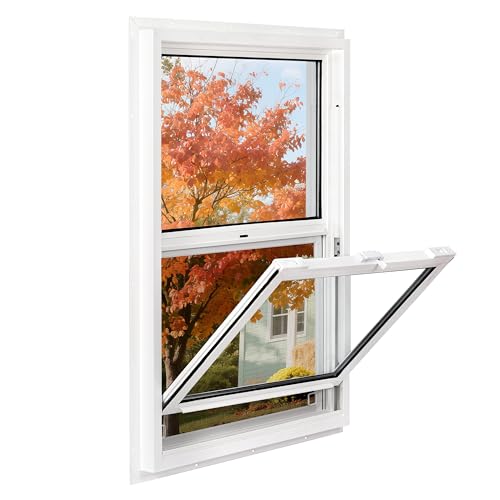
The style of window also affects efficiency. Fixed windows (picture windows) are the most airtight because they do not open. Casement and awning windows seal tightly against weatherstripping when closed. Double-hung and sliding windows are convenient but generally leak slightly more air than their fixed or crank-operated counterparts. If efficiency is your top priority, limit the number of operable windows and choose high-quality sealing mechanisms.
How to Choose the Right Windows for Your Climate
Climate is the single most important factor in selecting energy efficient windows. What works in Arizona will not work in Maine. Use this guidance to align your purchase with your local conditions.
| Climate Zone | Recommended U-Factor | Recommended SHGC | Best Configuration |
|---|---|---|---|
| Cold (Northern states) | 0.30 or lower | 0.40–0.55 (higher for passive solar) | Triple-pane, low-E, argon-filled |
| Mixed / Moderate | 0.32–0.35 | 0.35–0.45 | Double-pane, low-E, argon-filled |
| Hot / Sunny | 0.35–0.40 | 0.25 or lower | Double-pane, low-E with solar control |
| Coastal / Humid | 0.35 or lower | 0.30–0.40 | Vinyl or fiberglass frames, impact-rated glass |
If you are also considering broader home upgrades to improve energy efficiency and curb appeal, our guides on exterior remodeling and do-it-yourself home repair can help you plan a comprehensive approach. For larger projects, exploring custom home renovations may reveal additional opportunities to boost efficiency and value.
Installation Tips for Maximum Performance
Even the best windows underperform if they are installed incorrectly. Proper installation ensures airtight seals, correct alignment, and long-term durability. Keep these tips in mind:
- Hire a qualified installer: Window installation is a precision job. Look for experienced contractors with strong local reviews and proper licensing.
- Inspect the rough opening: Ensure the frame is square, level, and free of rot or damage before installation begins.
- Use proper flashing and sealing: Water intrusion is the leading cause of window failure. Correct flashing and high-quality sealant are non-negotiable.
- Insulate the frame gap: Expanding foam or backer rod plus sealant around the frame reduces air leakage.
- Check operation after install: Open and close every window to confirm smooth operation and proper locking.
- Consider professional installation for complex projects: If your project involves structural changes or multiple windows, our guide on design-build contractors can help you evaluate whether to hire a professional.
If you are replacing windows as part of a larger renovation, you may also want to explore do-it-yourself renovations for budget-friendly strategies, or consult exterior home remodel companies for professional guidance on integrating windows into a whole-home upgrade.
Energy Savings and Long-Term Value
Energy efficient windows are an investment that pays you back over time. While the upfront cost of premium windows is higher, the savings on heating and cooling bills can be substantial—often 15% to 30% on annual energy costs depending on your climate and the windows you choose.
Beyond utility savings, energy efficient windows offer several additional benefits:
- Improved comfort: Fewer drafts, more consistent room temperatures, and reduced condensation.
- Noise reduction: Multi-pane and laminated glass significantly dampens outside noise.
- UV protection: Low-E coatings block harmful UV rays that fade furniture, floors, and artwork.
- Increased home value: Energy efficient windows are a strong selling point and can boost resale value. Learn more in our guide on easy ways to increase the value of your home.
- Environmental impact: Reduced energy consumption lowers your carbon footprint and supports sustainability.
When planning a larger renovation that includes window replacement alongside other exterior upgrades, our guides on exterior remodeling contractors and exterior renovation can help you coordinate the project efficiently.
Common Mistakes to Avoid
Buying windows is a significant investment, and avoiding common pitfalls can save you time, money, and frustration.
- Ignoring climate-specific ratings: A window optimized for one climate zone may underperform in another. Always match U-factor and SHGC to your local conditions.
- Choosing style over performance: Large picture windows look stunning but may not be the most efficient choice for every wall. Balance aesthetics with performance.
- Skipping professional installation: DIY window installation is risky and can void warranties. Unless you are highly experienced, hire a qualified installer.
- Overlooking frame material: Frame quality matters as much as glass quality. Cheap frames can undermine even the best glazing.
- Not comparing multiple quotes: Window prices vary significantly between providers. Always obtain at least three quotes from reputable installers.
- Forgetting about ventilation and moisture: Modern airtight homes need proper ventilation to prevent moisture buildup. Consider operable windows or a ventilation strategy.
Frequently Asked Questions
How much can energy efficient windows save on utility bills?
Savings vary by climate, home size, and window quality. In general, homeowners can expect to reduce heating and cooling costs by 15% to 30% after replacing old single-pane windows with ENERGY STAR certified models. Cold climates tend to see the largest heating savings, while hot climates see significant cooling savings.
Are triple-pane windows worth the extra investment?
For homeowners in cold climates or noisy areas, triple-pane windows are often worth the premium. They offer superior insulation, better noise reduction, and reduced condensation. In mild climates, high-quality double-pane windows typically deliver excellent performance at a more accessible tier.
How long do energy efficient windows last?
Quality energy efficient windows typically last 20 to 30 years or more, depending on frame material, climate, and maintenance. Fiberglass and vinyl frames tend to be the most durable and low-maintenance. Proper installation and regular care extend lifespan significantly.
What is the difference between U-factor and R-value?
U-factor measures heat loss through a window—lower is better. R-value measures thermal resistance—higher is better. They are inverse measurements of the same concept. Energy efficient windows are rated by U-factor (not R-value) because it is the standard metric for windows and doors.
Can I install energy efficient windows myself?
While some experienced DIYers successfully install replacement windows, professional installation is strongly recommended. Improper installation can lead to air leaks, water damage, and voided warranties—undermining the very savings you invested in. For most homeowners, hiring a qualified installer is the wiser choice.
Do energy efficient windows help with noise reduction?
Yes. Multi-pane glass, laminated glass, and insulated frames all contribute to noise reduction. Triple-pane windows with laminated glass provide the best acoustic performance, making them ideal for homes near busy roads or in noisy neighborhoods.
If you are considering a full home renovation that includes windows, exploring guides on cost to renovate a house or do-it-yourself home improvement projects can help you plan holistically. For those weighing whether to tackle the project themselves or hire a professional, our DIY vs. pro comparison is a useful starting point.