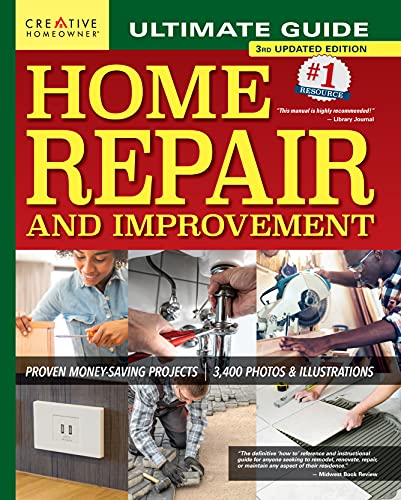
Do It Yourself Renovations: A Complete Guide to Transforming Your Home
Take control of your home renovation with a clear plan, the right tools, and proven techniques. This guide breaks down every phase of do it yourself renovations so you can budget wisely, work safely, and finish with results you are proud of.
START PLANNING YOUR RENOVATION1. Why Do It Yourself Renovations Are Worth Considering
Do it yourself renovations give homeowners direct control over the outcome, the schedule, and the quality of the work. Unlike handing the entire project to a contractor, DIY renovation lets you learn new skills, make decisions in real time, and keep a close eye on details that matter most to your household. Many homeowners find that tackling renovation work themselves builds confidence and creates a deeper connection to the home.
The appeal of DIY renovations goes beyond completing tasks on your own terms. When you manage the project yourself, you can prioritize upgrades that deliver the most visible improvement, such as refreshing a tired bathroom or modernizing a kitchen. If you are exploring broader improvements, our guide on do it yourself home improvement projects outlines approachable starting points that build momentum for larger renovations.
DIY renovation also pairs well with strategic upgrades that increase long-term value. Homeowners often combine hands-on renovation work with easy ways to increase the value of your home, focusing effort where it has the greatest impact. The key is to understand your limits and plan each phase carefully, which is exactly what the following sections will help you do.
2. Assessing Your Home and Setting Realistic Goals
Every successful renovation begins with an honest assessment of your home's current condition. Walk through each room and note what works, what feels dated, and what needs structural attention. This audit helps you separate cosmetic updates from functional repairs and prevents surprises once work begins.
Questions to Ask Before You Start
- Which rooms feel outdated or underused, and why?
- Are there signs of water damage, poor insulation, or electrical issues that should be addressed first?
- How long do you plan to stay in the home, and which improvements matter most to your daily life?
- Do you have space to store materials and work safely during the renovation?
Setting realistic goals means matching your ambition with your available time, skills, and energy. A full-house renovation is rarely a good first DIY project. Instead, focus on one room or system at a time. If you are considering a larger scope, reviewing DIY a house planning principles can help you structure the work into manageable stages.
It also helps to understand where professional help adds the most value. Our comparison of DIY vs. pro approaches explains how to decide which tasks are safe and sensible to handle yourself and which are better left to licensed trades.
3. Building a Renovation Plan and Budget
A renovation plan is the backbone of a smooth DIY project. It should outline the scope, the order of work, the materials required, and the time each phase will take. Without a written plan, projects tend to expand unexpectedly and stall halfway through.
How to Structure Your Renovation Plan
- Define the scope: List every task from demolition to final cleanup.
- Sequence the work: Group tasks so that messy or structural work happens before finishing touches.
- List materials: Itemize everything needed and identify which items are entry-level, mid-range, or premium.
- Estimate time: Add buffer time for drying, curing, and unexpected delays.
- Plan contingencies: Set aside a portion of your project resources for hidden issues.
When planning larger renovations, it helps to reference detailed cost breakdowns for specific projects. For example, if your renovation includes structural additions, reviewing the cost of renovating a house and cost to renovate a house guides can help you frame the scale of the work relative to your overall plan. For kitchen-focused renovations, kitchen remodeling calculators and cabinet and countertop updates provide useful planning context.
- Separate material costs from tool purchases.
- Account for delivery fees, disposal, and permits.
- Keep a reserve for unexpected repairs.
- Track spending weekly to stay on plan.
4. Essential Tools for DIY Renovations
The right tools make DIY renovations safer and more efficient. You do not need a full professional workshop to begin, but investing in reliable core tools pays off across multiple projects. Start with a solid foundation and add specialized tools as your skills grow.
Core Tool Categories
| Tier | Best For | Typical Characteristics |
|---|---|---|
| Entry-level | Occasional DIY tasks and first projects | Basic features, lighter duty, good for learning |
| Mid-range | Regular renovation work and repeated use | Better ergonomics, more consistent performance |
| Premium | Intensive or professional-grade use | Durable construction, refined controls, long service life |
Begin with measuring and layout tools, a dependable drill, and a quality dial indicator if you plan to work on precision tasks. For demolition and cleanup, protective gear such as drop cloths and dust control equipment are essential. As your renovation work expands, consider tool categories like dust collection to keep your workspace clean and safe.
If your renovation includes outdoor structures, tools for deck building and fence installation become valuable additions. Building a small, well-organized tool collection step by step is far more practical than buying everything at once.
5. Room-by-Room Renovation Considerations
Different rooms require different approaches. Understanding what each space demands helps you plan realistically and choose projects that match your skill level.
Kitchen Renovations
Kitchens are high-impact but complex. Cabinetry, countertops, plumbing, and electrical work all intersect. If you are planning a kitchen upgrade, reviewing do it yourself kitchen renovation guidance and countertop replacement considerations can help you scope the project. For smaller spaces, small kitchen remodeling insights are especially useful.
Bathroom Renovations
Bathrooms combine moisture management, tiling, and plumbing, making them a rewarding but demanding DIY project. Start with do it yourself bathroom renovation fundamentals, and consider DIY shower remodel techniques if you plan to upgrade fixtures. Smaller projects such as small bathroom remodeling are excellent learning experiences.
Basements and Living Spaces
Basement renovations often involve moisture control and framing. Reviewing drywalling a basement and basement renovation planning resources helps you sequence the work correctly. For living areas, cosmetic updates such as floor repair and door repair deliver quick, visible improvements.
Outdoor and Exterior Projects
Outdoor renovations extend your living space and improve curb appeal. Projects like deck repair, fire pit builds, and drainage solutions are approachable for motivated DIYers. If you enjoy outdoor structures, deck building plans and deck remodeling guides offer clear starting points.
6. Skills You Need and How to Build Them
DIY renovations reward homeowners who build skills progressively. You do not need to be an expert before you start, but you do need to understand the fundamentals of each task you take on.
Foundational Skills to Develop
- Measuring and marking: Accurate measurements prevent costly mistakes.
- Cutting and fastening: Practice with basic saws and drivers on scrap material.
- Surface preparation: Proper prep work makes finishes last longer.
- Repair techniques: Learning do it yourself home repair basics builds confidence for larger tasks.
- Finishing: Painting, caulking, and trim work bring projects together.
Build skills through small projects first. First project ideas are designed to be approachable and teach core techniques without overwhelming you. As you gain experience, move on to more complex tasks such as drywall repair or drywall installation.
7. Safety, Permits, and When to Call a Pro
Safety should guide every decision in a DIY renovation. Some tasks, such as structural changes, gas line work, and complex electrical installations, require licensed professionals. Knowing when to call a pro protects your home, your family, and your investment.
Tasks Best Left to Professionals
- Structural modifications and load-bearing wall removal
- Gas line installation or repair
- Major electrical panel work
- Complex plumbing changes that affect the main system
Many renovations require permits, especially when they involve structural, electrical, or plumbing changes. Always check local regulations before starting work. If you need guidance on finding qualified help for specialized tasks, reviewing resources on exterior home improvement contractors near me and design-build contractors can help you evaluate your options.
For emergency situations, having a plan in place matters. Our emergency repairs guide outlines how to respond quickly and safely when something goes wrong during a renovation.
8. Managing Your Renovation Timeline
Time management is one of the most underrated aspects of DIY renovation. Projects often take longer than expected, especially when you are learning as you go. A realistic timeline protects your motivation and keeps the household functioning during the work.
Timeline Best Practices
- Work in phases: Complete one area before starting another.
- Schedule drying and curing time: Finishes, adhesives, and tile work need time to set.
- Plan for interruptions: Weather, deliveries, and life events affect progress.
- Keep a daily log: Track what was completed and what remains.
- Celebrate milestones: Acknowledging progress keeps momentum high.
If your timeline extends over weeks or months, maintaining a clean and organized workspace becomes essential. Simple habits, such as using drop cloths and keeping tools organized, reduce stress and improve safety throughout the project.
Frequently Asked Questions About Do It Yourself Renovations
What is the best first DIY renovation project?
A focused, low-risk project such as a bathroom refresh, flooring repair, or painting a room is ideal for beginners. These projects teach core skills and build confidence without major structural risk. Reviewing first project ideas can help you choose a starting point.
How do I know if I should hire a professional?
If a task involves structural changes, gas lines, main electrical panels, or complex plumbing, hire a licensed professional. Our DIY vs. pro comparison explains how to make that decision with confidence.
Do I need permits for a DIY renovation?
Many renovations require permits, particularly those involving electrical, plumbing, or structural changes. Always check with your local building authority before beginning work.
How can I keep my renovation organized?
Create a written plan, track spending, and work in phases. Keeping a checklist and organizing tools and materials reduces stress and helps you stay on schedule.
How long does a typical DIY renovation take?
Timelines vary widely based on scope and experience. A single room may take a few weekends, while larger projects can span several months. Plan with buffer time to account for learning curves and unexpected issues.
Can DIY renovations increase my home's value?
Yes, well-executed renovations often increase value and improve livability. Focusing on high-impact areas and quality workmanship is key. Explore ways to increase the value of your home for guidance on prioritizing upgrades.