Dial Indicator Guide: Precision Measurement Explained
Understand dial indicators, their types, applications, and how to choose the best one for your projects. Perfect for machinists, woodworkers, and DIY enthusiasts.
Shop Top Dial IndicatorsWhat is a Dial Indicator? A dial indicator is a precision measuring instrument used to measure small distances, runout, and alignment. It's essential for machining, woodworking, automotive repair, and quality control. This guide covers everything you need to know, from types and reading methods to buying recommendations.
Types of Dial Indicators
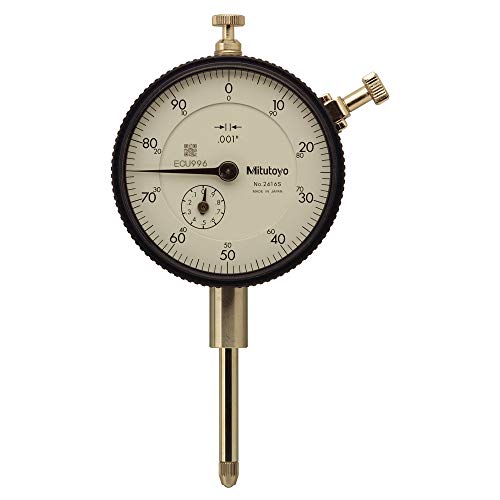
Standard Dial Indicator
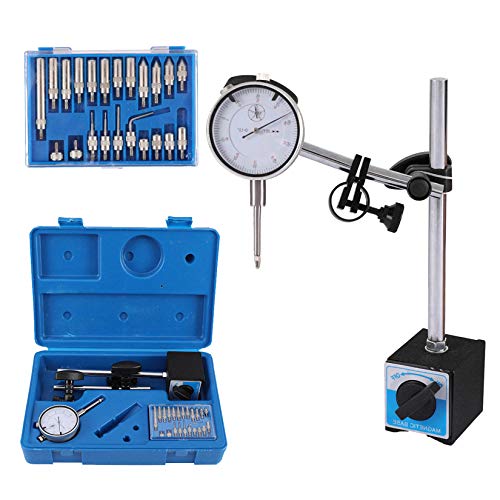
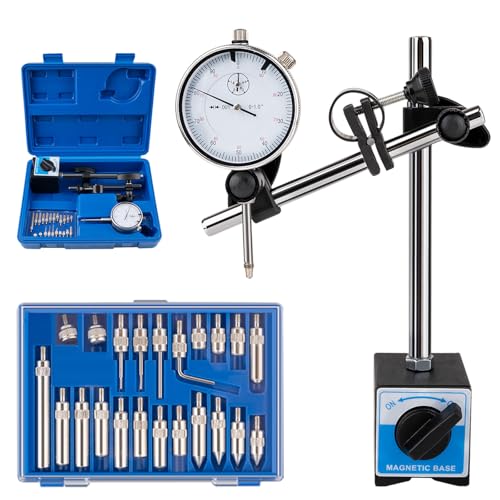
Measures linear displacement with a plunger. Ideal for checking runout, flatness, and thickness. Common in machining and inspection.
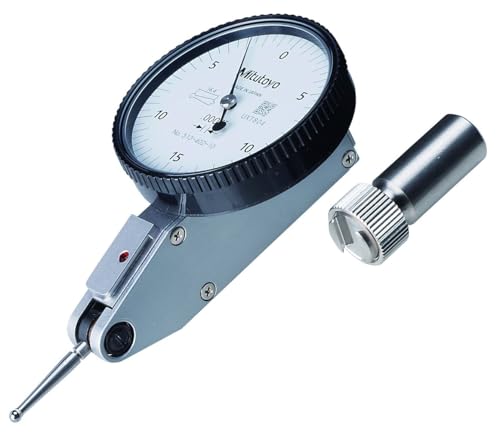
Dial Test Indicator
Uses a lever-style arm for measurements. Great for measuring small displacements, centering workpieces, and setting up machinery.
Digital Dial Indicator
Offers an LCD display with high precision. Easy to read, can be zeroed at any position, and often includes data output for analysis.
Dial Depth Gauge
Specialized for measuring depth of holes, slots, and recesses. Often used in woodworking and metalworking for precise depth control.
How to Read a Dial Indicator
Reading a dial indicator correctly is crucial for accurate measurements. Here's a step-by-step guide:
- Understand the Scale: Most dial indicators have a main scale (usually in thousandths of an inch or hundredths of a millimeter) and a smaller revolution counter.
- Zero the Indicator: Place the indicator on a reference surface and rotate the bezel to set the needle to zero.
- Take the Reading: Note the position of the needle on the main scale. Multiply the number of revolutions by the value per revolution, then add the needle reading.
- Check for Runout: For circular runout, rotate the workpiece and note the maximum and minimum readings. The difference is the runout.
Pro Tip: Always use a digital angle gauge or a caliper alongside a dial indicator for comprehensive measurements. For marking, consider marking pencils that won't damage surfaces.
Applications in Home Improvement & DIY
Dial indicators are not just for industrial use. They are incredibly useful in home workshops and DIY projects. Here are some common applications:
- Woodworking: Checking the flatness of workbenches, aligning saw blades, and ensuring precise joinery.
- Automotive: Measuring brake rotor runout, checking engine timing, and aligning pulleys.
- Plumbing: Checking pipe alignment and verifying the straightness of long runs.
- General Tuning: Setting up machinery like jigsaws or drills for precision cuts.
For more intricate work, combining a dial indicator with a adjustable wrench or flashlight for visibility can make a big difference.
Buying Guide: Choosing the Right Dial Indicator
When selecting a dial indicator, consider these factors to ensure you get the right tool for your needs:
| Feature | Standard | Test Indicator | Digital |
|---|---|---|---|
| Accuracy | ±0.0005" | ±0.0005" | ±0.0005" |
| Measurement Range | 0–1" (common) | 0–0.03" (common) | 0–1" (common) |
| Readability | Analog (needle) | Analog (needle) | Digital (LCD) |
| Best For | General linear measurement | Runout & centering | Quick reading & data logging |
| Price Range | $30–$150 | $40–$200 | $50–$250 |
For most DIY and home workshop needs, a standard dial indicator with a 0–1" range offers the best balance of cost and functionality. If you're doing precision woodworking or automotive work, a dial test indicator is invaluable for centering and alignment tasks.
Related Guides:
Calipers | Digital Angle Gauge | Drills | Jigsaws | Marking Tools | Wrenches | Flashlights
Ready to Get Precise?
Browse our top picks for dial indicators and take your measurements to the next level.
Shop Dial Indicators Now