Adjustable Wrench Buying Guide: Types, Sizes & Top Picks
One tool, dozens of fastener sizes. Learn how jaw types, materials, and sizing affect performance — and discover which adjustable wrench fits your plumbing, DIY, or professional workflow.
Explore Recommended WrenchesWhat Is an Adjustable Wrench?
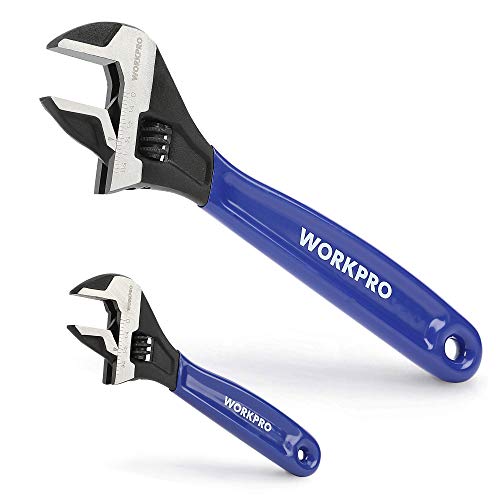
An adjustable wrench — also called an adjustable spanner or crescent wrench — is a hand tool with a movable lower jaw driven by a worm gear. Turning the knurled screw moves the jaw in and out, letting a single tool fit a wide range of hexagonal and square fasteners. That flexibility makes it a staple in plumbing work, automotive maintenance, and general home repair, where carrying a full socket set is impractical.
The trade-off is precision. A fixed-size wrench or socket contacts a fastener on all flat faces; an adjustable wrench grips on two opposite faces and relies on the jaw's fit. Understanding the specifications below helps you minimize that compromise.
Key Specifications to Evaluate Before Buying
Jaw Capacity
The maximum opening width determines the largest nut or bolt the wrench can grip. Measure the fasteners you work with most often, then choose a model whose jaw opens at least one size wider.
Overall Length
Longer handles deliver more leverage but reduce access in tight spaces. A 6-inch, 8-inch, 10-inch, and 12-inch spread covers most home and trade tasks.
Material & Finish
Forged high-grade steel resists deformation. Chrome or nickel plating adds a rust-proof finish that matters in humid or outdoor environments.
Jaw Play
Minimal side-to-side movement in the movable jaw signals tighter machining tolerances. Excessive play leads to slipping and rounded fastener heads.
Choosing the Right Size
Size is the single most practical decision. Most adjustable wrenches are sold by overall length, and the jaw capacity roughly tracks that length. The table below groups common sizes by their typical role.
| Size Class | Typical Length | Best For |
|---|---|---|
| Compact | 4–6 inches | Small fittings, bicycle hardware, tight cabinet work |
| Standard | 8–10 inches | Household plumbing, furniture assembly, general repair |
| Heavy-duty | 12–15 inches | Large pipe unions, automotive suspension, outdoor fixtures |
| Specialty | 18 inches and above | Industrial pipe work and large-diameter fasteners |
A wrench set combining a standard and compact size covers the majority of home tasks. If you already own a socket set, the adjustable wrench mainly fills gaps where socket access is blocked.
Quality Tiers: What Distinguishes Each Class
Adjustable wrenches fall into recognizable tiers. Rather than quoting figures that age quickly, this guide uses market-position descriptors so you can compare any brand on its own merits.
| Tier | Typical Characteristics | Recommended For |
|---|---|---|
| Entry-level | Cast or lighter forged steel, visible jaw play, basic plated finish | Occasional household use, light assembly tasks |
| Mid-range | Forged steel body, smoother worm gear, reduced jaw play, durable plating | Regular DIY, plumbing maintenance, furniture work |
| Professional-grade | Fully forged high-grade steel, precise machining, thin-profile jaws, reinforced handle | Trade professionals, repeated high-torque use |
| Specialty / commercial-grade | Oversized forged construction, corrosion-resistant finish, calibrated jaw scale | Industrial pipe work, marine and outdoor environments |
A mid-range model is the sensible starting point for most homeowners: it delivers noticeably smoother adjustment and a tighter jaw fit than entry-level tools without the outlay of professional-grade equipment.
Features Worth Prioritizing
- Measurement scale: A laser-etched or stamped jaw scale speeds up size setting and reduces trial-and-error.
- Directional jaw movement: A reversible or ratcheting jaw lets you work in tight spaces where the handle cannot swing fully.
- Tapered jaw profile: Thinner jaws reach recessed fasteners and fit between closely spaced components.
- Comfort grip or dipped handle: Improves control when the wrench is oily or wet, a common condition in plumbing work.
- Hanging hole: A practical detail for workshop organization and workshop setups.
How to Use an Adjustable Wrench Correctly
Correct technique protects both the tool and the fastener. These habits matter more than any single specification.
- Set the jaw to the fastener size before applying force, then snug it with a slight turn of the worm gear.
- Pull the handle toward the fastener's fixed side rather than pushing, so the jaw seats firmly.
- Apply force in line with the handle; side loads strain the worm gear and distort the jaw.
- Never extend the handle with a pipe or hammer the wrench — both void the tool's design limits and risk injury.
- For stubborn fasteners, use penetrating oil first; brute force on an adjustable wrench tends to round heads.
Maintenance for Long-Term Performance
An adjustable wrench is a long-term investment when cared for properly. Wipe the tool after use, apply a light machine oil to the worm gear and jaw slide, and store it away from moisture. Periodic inspection of the jaw play tells you when the tool has worn beyond reliable service. For rust management, see our rust removal guide.
Related Tool Guides
An adjustable wrench rarely works alone. These companion guides help you build a complete, reliable toolkit:
- Compare fixed-size options in our wrenches overview.
- Measure fastener dimensions accurately with calipers.
- Plan a complete hand tool kit for home renovation projects.
- Explore additional tools for bathroom and kitchen upgrades in our plumbing guides.
Frequently Asked Questions
What is an adjustable wrench used for?
An adjustable wrench is a hand tool with a movable jaw that fits a range of fastener sizes. It is commonly used for plumbing nuts, bolts, and hex fittings where carrying a full socket set is impractical.
What size adjustable wrench should I buy first?
A 10-inch adjustable wrench is the most versatile starting size. It offers enough jaw capacity for most household plumbing and automotive tasks while remaining manageable in tight spaces. A 6-inch model complements it for smaller fasteners.
How do I maintain an adjustable wrench?
Wipe the tool clean after use, apply a light machine oil to the worm gear and jaw slide, and store it in a dry place. Avoid using the wrench as a hammer, and never extend the handle with a pipe, as this can damage the mechanism or cause injury.
Final Takeaways
The adjustable wrench rewards buyers who look past the price tag and evaluate jaw play, forging quality, and size class. Start with a mid-range standard-size model, add a compact companion for tight work, and maintain the worm gear to extend its service life. With those fundamentals in place, the tool becomes a dependable fixture in any home repair kit.