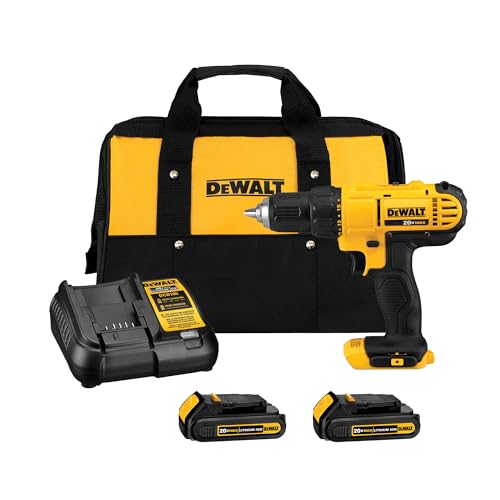
Drills Guide: Types, Features & Expert Buying Tips
Whether you're hanging shelves or building furniture, choosing the right drill is critical. This guide covers all you need to know — from drill types and key features to cordless vs. corded, so you can make a confident purchase.
Shop Top-Rated Drills →A drill is the most versatile power tool in any workshop. From driving screws to drilling holes in wood, metal, and masonry, a good drill handles countless tasks. But with so many options, how do you choose? This guide breaks down everything you need to know.
Types of Drills
Understanding drill types is the first step. Here's a breakdown of the most common ones you'll encounter:
Cordless Drill/Driver
The most popular type. Portable, versatile, and powered by rechargeable batteries. Ideal for most DIY tasks, from assembling furniture to installing shelves.
$100–$350Impact Driver
Delivers high torque for driving large screws and lag bolts. Essential for deck building and heavy-duty fastening. Often used alongside a drill/driver.
$120–$300Hammer Drill
Features a hammering action for drilling into brick, concrete, and masonry. Perfect for attaching items to exterior walls or basements.
$150–$400Rotary Hammer
A heavy-duty hammer drill for large-scale masonry work. Used for chiseling and drilling large holes in concrete. For professional use.
$250+Right Angle Drill
Compact design for tight spaces. Perfect for plumbing and electrical work where access is limited.
$80–$200Drill Press
Stationary drill for precise, repeatable holes. Ideal for woodworking and metalworking projects requiring accuracy.
$200–$800For most homeowners, a cordless drill/driver is the best starting point. If you plan to build decks or drive large fasteners, an impact driver is a great companion.
Cordless vs. Corded: Which is Right for You?
One of the biggest decisions is choosing between cordless and corded drills. Each has distinct advantages.
- Cordless: Offers unmatched portability and convenience. Modern lithium-ion batteries provide long runtimes and fast charging. Ideal for projects around the house, job sites, and outdoor work.
$100–$400+ - Corded: Delivers consistent, unlimited power. No battery to charge or replace. Heavier and less portable, but ideal for continuous, heavy-duty drilling and mixing.
$60–$250
If you're a DIY enthusiast tackling weekend projects, a cordless drill is the clear winner. For professionals or heavy daily use, a corded drill might be a better investment.
Key Features to Consider
When comparing drills, pay attention to these specifications to ensure you get the right tool for your needs.
- Voltage (V): Higher voltage (e.g., 18V, 20V) means more power and longer runtime. For most tasks, 18V–20V is the sweet spot. 12V is lighter but less powerful.
- Chuck Size: 3/8-inch chucks are common for light-duty; 1/2-inch chucks are standard for heavy-duty drilling and accept larger bits.
- Battery Capacity (Ah): Higher amp-hours (Ah) mean longer runtime. For example, a 4Ah battery will last longer than a 2Ah battery.
- Torque (in-lbs): Higher torque means more turning force. Essential for driving large screws or drilling into tough materials. Look for at least 300 in-lbs for general use.
- Speed Settings: Variable speed and multiple gears (e.g., 2-speed) give you control over different materials and tasks.
- Brushless Motor: More efficient, longer-lasting, and lighter than brushed motors. Worth the extra cost for heavy users.
- Clutch Settings: Prevents overdriving screws and stripping heads. Look for 16+ clutch settings for versatility.
For a deeper dive into drill specifications, check out our Essential Tools Guide.
Essential Drill Accessories
To get the most out of your drill, you'll need the right accessories. Here's what to consider:
- Drill Bit Sets: A good set includes twist bits for metal, wood, and masonry bits. Look for a set with a wide range of sizes.
- Driver Bits: Phillips, flathead, hex, and star bits for various screw types. Magnetic holders can save time.
- Countersink Bits: For creating recessed holes so screw heads sit flush with the surface.
- Hole Saws: For cutting large holes in wood, drywall, and plastic.
- Spade Bits: For drilling large holes in wood quickly.
- Battery Chargers: Fast chargers can significantly reduce downtime.
Always use the correct bit for your material to avoid damage and ensure clean holes.
Drill Maintenance & Care
Proper care extends the life of your drill and ensures it performs reliably. Follow these simple tips:
- Keep the drill clean and free of dust and debris.
- Lubricate the chuck periodically to ensure smooth operation.
- Store batteries in a cool, dry place and avoid full discharges.
- Inspect cords and connections for damage.
- Use the right bit for the material to prevent overheating the motor.
Regular maintenance not only protects your investment but also keeps your projects safe.
Top Drill Brands to Consider
While there are many brands on the market, a few consistently stand out for quality and reliability:
- DeWalt: Known for durability and performance, especially in the cordless line.
- Makita: Offers a wide range of high-quality drills with excellent battery technology.
- Milwaukee: Popular among professionals for their power and innovative features.
- Bosch: Renowned for their hammer drills and precision engineering.
- Ryobi: A great value for DIYers with an extensive tool system.
When choosing a brand, consider the battery ecosystem, as you may want to add other tools from the same platform.
How to Choose the Right Drill
To summarize, follow this quick checklist when buying a drill:
- Assess your needs: What types of projects will you tackle? Light DIY, heavy construction, or precision woodworking?
- Choose cordless or corded: Portability vs. continuous power.
- Check voltage and battery: 18V–20V is ideal for most.
- Look for brushless: If you want efficiency and longevity.
- Consider chuck size and torque: 1/2-inch chuck and at least 300 in-lbs for versatility.
- Read reviews: Real-world feedback is invaluable.
If you're still unsure, our home remodeling contractor guide might help you decide whether to DIY or hire a pro.