
Wall Art Ideas & Buying Guide: Transform Your Home
Discover how to choose the right wall art, arrange a stunning gallery wall, and select frames and prints that elevate every room. A complete, practical guide for confident decorating decisions.
Explore the Buying GuideWhy wall art matters: Wall art is one of the fastest and most impactful ways to bring personality, color, and depth into a room. It anchors a space, defines a focal point, and ties a color palette together. Whether you are refreshing a single wall or starting a full home makeover, this guide walks you through styles, sizing, placement, and material choices so you can choose pieces that feel right for years to come.
Popular Wall Art Styles to Consider
Before you shop, identify the visual direction that matches your space and lifestyle. Each style below works across different room types and can be mixed thoughtfully for a layered, curated look.
Modern & Minimalist
Clean lines, neutral palettes, and geometric prints. Ideal for contemporary living rooms and home offices where calm and order are priorities.
Abstract & Expressionist
Bold brushstrokes and dynamic color. Great as a single statement piece above a sofa or as a focal point in an entryway.
Photography
Landscapes, cityscapes, and black-and-white photography bring depth and realism. A versatile choice for hallways and bedrooms.
Botanical & Nature
Leaf studies, floral prints, and nature scenes add a fresh, organic feel. Excellent for dining areas, kitchens, and sunrooms.
Typography & Quotes
Text-based prints add personality and motivation. Best in home offices, playrooms, or as a light-hearted accent.
Vintage & Eclectic
Mixed frames, retro posters, and found objects create a lived-in, character-rich look for creative spaces.
How to Size and Place Wall Art
Getting the scale right is the difference between art that feels intentional and art that feels lost. Use these practical rules of thumb:
- Above a sofa: Aim for artwork that spans roughly two-thirds the width of the sofa. A single large piece or a tight grouping both work well.
- Centered on a wall: Hang the center of the artwork at eye level, typically 57 to 60 inches from the floor.
- Gallery walls: Keep consistent spacing between frames (2 to 3 inches) and plan the layout on the floor or with paper templates before hanging.
- Small spaces: A single statement piece often works better than many small frames; avoid crowding narrow walls.
- Above furniture: Leave 6 to 10 inches of breathing room between the bottom of the art and the top of the furniture.
For rooms undergoing broader updates, consider pairing your art choices with improvements such as renovating your house or refreshing surfaces with stains and paints to create a cohesive finish.
Materials, Frames, and Quality Tiers
The material and frame you choose affect durability, visual weight, and how the piece reads in a room. Use the tier framework below to match your needs with the right level of craftsmanship — without relying on numeric comparisons.
| Tier | Typical Materials | Best For |
|---|---|---|
| Entry-level | Paper prints, lightweight frames, basic canvas wraps | Rental spaces, quick refreshes, first-time decorators |
| Mid-range | Archival paper, solid wood or metal frames, stretched canvas | Living rooms, bedrooms, long-term displays |
| Premium | Museum-grade prints, hand-finished frames, UV-protective glazing | Statement pieces, collector displays, high-traffic areas |
| Professional-grade | Gallery-wrapped canvas, custom framing, acid-free matting | Commercial spaces, curated home galleries |
When building a gallery wall, mixing tiers is acceptable — but keep the frame finish and matting consistent so the collection reads as a single composition. For broader interior updates, our home decor and design resources can help you coordinate art with furniture and lighting.
What to Look For When Buying Wall Art
Beyond aesthetics, a few practical checks will ensure your art looks great and lasts. Use this checklist before you commit:
- Print quality: Look for high-resolution prints on archival or acid-free paper. These resist yellowing and fading over time.
- Frame construction: Solid wood or metal frames outlast composite materials. Check that the backing is sealed and the hanging hardware is included.
- Canvas vs. print: Canvas wraps offer a frameless, contemporary look. Framed prints provide more definition and are easier to swap between rooms.
- Color accuracy: Request or review color swatches when possible. Screen colors can differ from the final print, especially with saturated palettes.
- UV protection: If the piece will hang in bright sunlight, choose glazing or coatings with UV protection to prevent fading.
- Weight and hardware: Confirm the hanging hardware matches the weight of the piece. Heavy frames need wall anchors, not just nails.
If your art installation is part of a larger room refresh, coordinating with a remodeling and construction plan or consulting remodeling contractors can help align electrical, lighting, and wall preparation work.
Gallery Wall Layout Ideas
A gallery wall is a flexible way to display a collection and fill a large blank space. These layouts work in most homes:
- Grid layout: Uniform frame sizes arranged in a strict grid. Clean and modern; ideal for hallways and above consoles.
- Salon-style: Mixed sizes and shapes filling a wall from edge to edge. Best for living rooms and stairwells.
- Symmetrical arrangement: A central anchor piece flanked by matching frames. Works well above a sofa or fireplace.
- Linear row: A single horizontal line of frames at eye level. Great for narrow walls and above beds.
If your gallery wall involves structural updates or new wall surfaces, review our guides on structural repairs and soundproofing to plan the work safely.
Room-by-Room Wall Art Recommendations
Different rooms call for different approaches. Here is a quick reference for matching art to space:
- Living room: A large statement piece above the sofa, or a balanced gallery wall. Choose colors that echo the room's palette.
- Bedroom: Calming tones and softer imagery. A pair of matching prints above the headboard creates symmetry.
- Kitchen: Botanical prints, food photography, or small framed pieces near the dining area. Consider moisture-resistant frames.
- Home office: Motivational typography, abstract art, or photography that supports focus. Position art at eye level from your desk.
- Hallway: A linear row of frames or a narrow gallery wall. Use consistent spacing to guide the eye.
For exterior-facing updates that complement interior art choices, see our guides on retaining walls and walkways and paths.
Caring for Your Wall Art
Proper care keeps art looking sharp for years. Follow these simple habits:
- Dust frames and glass with a soft, dry microfiber cloth — avoid sprays directly on the surface.
- Keep art out of direct sunlight where possible, or use UV-protective glazing.
- Check hanging hardware every few months, especially in humid rooms.
- Avoid hanging canvas prints in bathrooms or kitchens where steam and moisture are heavy.
- Rotate seasonal pieces to refresh your space without new purchases.
For broader home maintenance that supports your decor, review our tool basics and safety first guides.
Frequently Asked Questions
How high should I hang wall art?
The center of the artwork should sit at roughly eye level — about 57 to 60 inches from the floor. Above furniture, leave 6 to 10 inches of space between the bottom of the frame and the furniture top.
How do I choose the right size art for a wall?
For a sofa wall, aim for art that spans about two-thirds the width of the sofa. For a single wall, a large piece that covers a significant portion of the wall often looks more intentional than several small pieces.
Can I mix frames in a gallery wall?
Yes — mixing frame finishes and sizes is a popular eclectic approach. Keep at least one element consistent, such as matting color or spacing, so the arrangement feels cohesive.
What is the difference between canvas and framed prints?
Canvas wraps are frameless and offer a soft, contemporary look. Framed prints provide more definition and are easier to swap between rooms. Both are durable when properly made and cared for.
How do I protect art from fading?
Choose prints on archival, acid-free paper and frames with UV-protective glazing or coatings. Avoid hanging pieces in direct sunlight, and rotate art periodically to limit exposure.
Recommended Wall Art & Decor Essentials
⚠️ AFFILIATE DISCLOSURE: This website contains affiliate links. As an Amazon Associate, we earn from qualifying purchases. If you make a purchase through these links, we may receive a small commission at no additional cost to you. Read our full affiliate policy.

Funny Frog Bathroom Wall Art, Cute Japanese Frog in Toilet Wall Decor, Whimsical Green Animal Restroom Poster Canvas Painting Prints Artwork 12x16 inch Framed
Check price on Amazon
Tide and Tales 3d Framed Wall Art, Set of 4, Floral Boho Wall Decor | 7" x 16", Lightweight, Wooden, Ready-to-Hang Wall Decor for Living Room, Bathroom, Bedroom or Office, Botanical Farmhouse
Check price on Amazon
MHARTK66 Wall Art for Living Room Modern Wall Decor for Bedroom Office Decor Abstract Mountain Forest Landscapes Ink Painting 3 Piece Framed Canvas Art Prints Ready to Hang Wall Pictures Home Decor
Check price on Amazon
Drimiler Retro Black And White Newspaper Poster What If It All Works Out Canvas Wall Art Positive Affirming Quote Minimalist Prints Painting For Home Bedroom Dorm Wall Decor 12x16in Unframed
Check price on Amazon
Der Rose 2 Pack Artificial String of Pearls Wall Decor, Black Round Frame | Modern Black Wall Art With Trailing Greenery, 2-Pack Hanging Wall Decor For Bathroom, Bedroom, Office Decor
Check price on Amazon
Macrame Wall Hanging Dip Dyed Large Boho Brown Fiber Wall Art 57"W*39"L | Hand Dyed Fiber Art, Textured Wall Hanging, for Living Room Bedroom Decor, Entryway Wall Art, Easy To Hang, Unique Gift
Check price on Amazon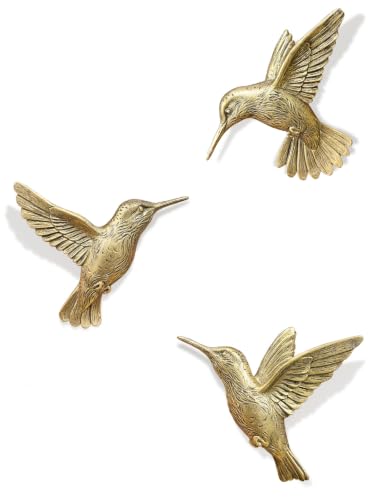
GUSFREUD 3D Hummingbird Wall Decor Set - Brass Resin Bird Wall Decor for Living Room, Bedroom and Gallery Walls - Vintage Gold - Set of 3
Check price on Amazon