Fire Pits: Create the Perfect Backyard Gathering Space
Explore our expert guide to choosing the ideal fire pit for your outdoor living area. From wood-burning to gas options, we cover everything you need to know for a safe and enjoyable experience.
Why a Fire Pit? A fire pit transforms your backyard into a cozy retreat. Whether you're roasting marshmallows with the family or hosting an evening gathering, the warmth and ambiance of a fire pit are unmatched. This guide will help you navigate the options, understand safety considerations, and find the perfect model for your needs and budget.
Types of Fire Pits
Wood-Burning Fire Pits
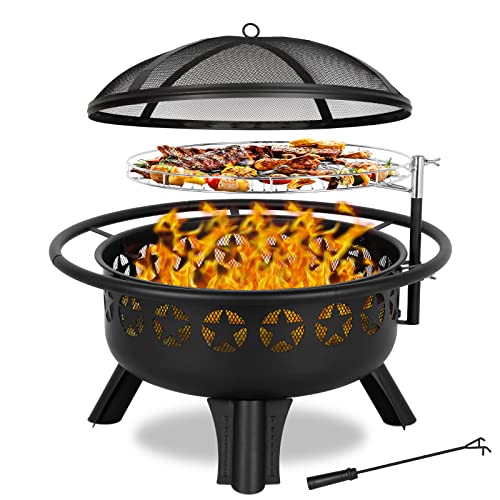
Classic and authentic, wood-burning fire pits offer the traditional crackling fire experience. They are generally more affordable and can be built as a DIY project. Perfect for those who enjoy the process of building and tending a fire.
$150 – $600Gas Fire Pits
Convenient and clean-burning, gas fire pits (propane or natural gas) offer instant ignition and adjustable flames. They require less maintenance and are ideal for smaller spaces or areas with fire restrictions.
$400 – $1,500+Tabletop Fire Pits
Compact and portable, tabletop fire pits are perfect for small patios, balconies, or as a centerpiece for outdoor dining. They typically run on gel fuel or small propane canisters.
$80 – $250Chimineas & Outdoor Fireplaces
For a more permanent and decorative option, chimineas and outdoor fireplaces provide a contained fire experience with a distinct aesthetic. They are excellent for adding architectural interest to your outdoor garden.
$200 – $1,200Material & Durability Guide
The material of your fire pit affects its longevity, heat retention, and overall look. Here’s a breakdown of common materials:
- Steel: Affordable and durable, but may rust over time. Powder-coated steel offers better weather resistance.
- Cast Iron: Excellent heat retention and traditional look. Heavy and can rust if not properly maintained.
- Copper: Beautiful and develops a unique patina. Excellent heat conductivity but higher cost.
- Stone / Concrete: Extremely durable and can be custom-built to match your patio. Often the most expensive option.
Safety & Installation Tips
Proper placement and safety measures are crucial for enjoying your fire pit responsibly. When planning your installation, consider these key points:
- Location: Place your fire pit on a non-combustible surface, away from structures, overhanging trees, and dry vegetation.
- Clearance: Maintain a minimum clearance of 10-20 feet from your home and other structures.
- Wind: Consider prevailing wind patterns to avoid smoke blowing into your house or seating area.
- Safety Gear: Always have a fire extinguisher, bucket of sand, or garden hose nearby. A safety-first approach ensures peace of mind.
For DIY enthusiasts, building a fire pit can be a rewarding weekend project. We recommend starting with a simple patio pavers base and using fire-rated materials. Always check local regulations and obtain any necessary permits before starting your build. If you're not confident in your skills, consider hiring a professional for gas line installation or complex designs.
Maintenance & Care
Extend the life of your fire pit with regular maintenance:
- Clean Out Ash: Remove ash after each use to prevent rust and improve airflow.
- Cover It: Use a weather-resistant cover to protect from rain and snow.
- Inspect Parts: For gas fire pits, check hoses and connections annually for leaks or wear.
- Seasonal Care: During winter, store portable fire pits indoors and cover permanent ones. For broader seasonal maintenance tips, check our guide.
Cost Breakdown & Budgeting
Understanding the costs involved helps you make an informed decision. Here's a general idea of what to expect:
- Basic Wood-Burning Fire Pit Kit: $150 – $350
- Mid-Range Steel Fire Pit: $300 – $600
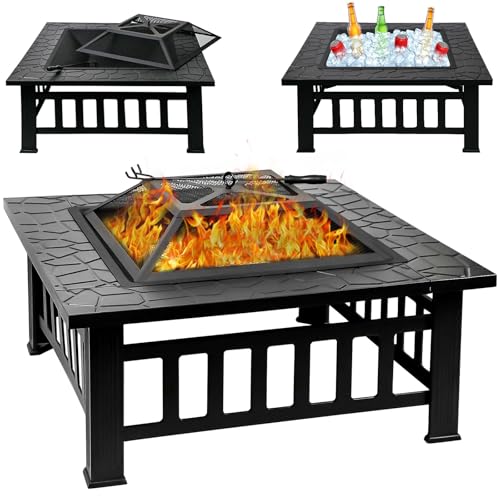
- Gas Fire Pit Table: $500 – $1,500
- Custom Stone Fire Pit: $1,000 – $3,000+
Remember to budget for accessories like a spark screen, fire poker, and a cover. These add to the safety and longevity of your investment.
Environmental & Eco-Friendly Options
For the environmentally conscious, consider these options:
- Clean-Burning Wood: Use seasoned hardwoods like oak or maple, which produce less smoke and creosote.
- Propane/Natural Gas: These burn cleaner than wood, producing fewer particulates.
- Gel Fuel: A renewable and smokeless option for tabletop fire pits.
Implementing proper drainage solutions around your fire pit area can also prevent water pooling and soil erosion.
Ready to Choose Your Fire Pit? With this guide, you're now equipped to select the perfect fire pit for your outdoor space. Whether you prioritize ambiance, convenience, or durability, there's a model that fits your lifestyle. Browse our top recommendations below to find the best fire pits on the market today.