Wire Strippers: The Ultimate Guide
Choose the right wire stripper for every job. From simple DIY wiring to professional electrical work — we cover types, features, safety, and top picks.
Shop Top Wire Strippers →⚡ Why wire strippers matter: A good wire stripper saves time, protects wires, and ensures safe connections. Whether you're installing a new light fixture, adding outlets, or working on home wiring basics, the right tool makes all the difference.
Types of Wire Strippers
Wire strippers come in various designs, each suited for specific tasks. Here are the most common types you'll encounter:
Manual Wire Strippers
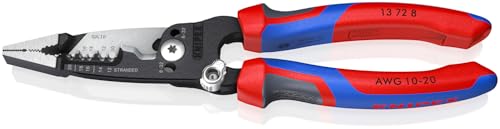
The classic hand-held tool with notched jaws for different wire gauges. Affordable, reliable, and perfect for most DIY electrical projects. Great for outlet and switch installations.
Self-Adjusting Strippers
Automatically adapt to the wire gauge, reducing guesswork. Ideal for professionals working with multiple wire sizes. Often include a built-in cutter and crimper.
Automatic Wire Strippers
Spring-loaded mechanism strips wires with a single squeeze. Excellent for repetitive tasks and high-volume work. Saves hand fatigue on big jobs.
Combination Strippers
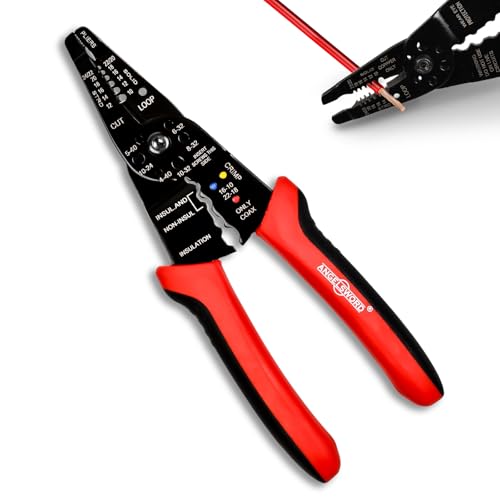
Multi-function tools that strip, cut, and crimp. A versatile choice for electrical safety and general maintenance. Often include a bolt cutter and wire looping hole.
What to Look for in a Wire Stripper
Before buying, consider these essential features to ensure you get the right tool for your needs.
| Feature | Why It Matters | What to Look For |
|---|---|---|
| Gauge Range | Determines which wire sizes you can strip. | Look for 10–24 AWG for general use; 10–30 AWG for electronics. |
| Insulation Cutter | Cleanly cuts through insulation without nicking the copper. | Precision-ground blades with adjustable depth. |
| Ergonomics | Comfortable grip reduces fatigue during long projects. | Soft-touch handles, spring-loaded action, and non-slip grip. |
| Durability | High-quality steel lasts longer and stays sharp. | Carbon steel or hardened steel, with rust-resistant coating. |
| Additional Functions | Versatility saves you from buying multiple tools. | Built-in wire cutter, crimper, bolt cutter, and looping hole. |
Wire Stripper Safety & Usage Tips
Using wire strippers correctly is crucial for both safety and performance. Follow these guidelines to get the best results.
- Choose the right gauge hole: Using a hole that's too small will nick the wire; too large won't strip cleanly.
- Strip only the insulation: Avoid scoring the copper conductor — nicked wires can break or cause hot spots.
- Keep your tools sharp: Dull blades make stripping harder and can damage wires. Replace or sharpen regularly.
- Wear safety gear: Use safety glasses and work gloves to protect against sharp wire ends and debris.
- Store properly: Keep strippers clean and dry. A light coat of oil prevents rust and keeps the mechanism smooth.
How to Choose the Best Wire Stripper for You
With so many options, it helps to match the tool to your typical projects.
For DIY & Home Use
Manual or self-adjusting strippers with a gauge range of 10–24 AWG are ideal. Look for a compact design with a built-in cutter. Pair with a good multimeter for testing.
For Professionals
Automatic or high-end self-adjusting strippers with wide gauge ranges (10–30 AWG) and durable construction. Extra features like crimping and bolt cutting add value.
For Electronics & Fine Wiring
Precision strippers with small gauge ranges (20–30 AWG) and fine adjustment. Look for models with a stop to control strip length.
For Outdoor & Heavy-Duty
Heavy-duty strippers with insulated handles and corrosion-resistant coatings. Essential for outdoor wiring and harsh environments.
Maintaining Your Wire Strippers
Proper maintenance extends the life of your tools and ensures consistent performance.
- Clean after each use: Wipe off dust and debris with a dry cloth. For sticky residue, use a mild solvent.
- Lubricate pivot points: A drop of light machine oil keeps the action smooth and prevents rust.
- Inspect blades: Check for nicks or dullness. Most quality strippers have replaceable blades.
- Store in a dry place: Keep in a tool storage box or pouch to protect from moisture and impacts.
Ready to Choose Your Wire Stripper?
Whether you're a DIY enthusiast or a professional electrician, the right wire stripper makes every job safer and more efficient. Browse our top picks below — each tool is carefully selected for quality, durability, and value.
Remember: A good wire stripper is an investment in your safety and the quality of your work. Pair it with a reliable voltage tester and follow electrical safety best practices for the best results.