Best Paint Brushes: Expert Guide to Types, Bristles & Selection
Discover how to choose the right paint brush for every project. Learn about synthetic versus natural bristles, brush shapes, and the features that separate entry-level options from professional-grade tools—so you can paint with confidence and achieve a flawless finish.
Explore Brush TypesWhy the Right Brush Matters: The paint brush is the most direct link between your hand and the surface. A quality brush holds more paint, releases it evenly, and leaves fewer brush marks—saving time and producing a professional result. Whether you are touching up trim or repainting an entire room, understanding brush construction is the first step toward a better finish. Pair your brush choice with the right painting tools for a complete, efficient setup.
Anatomy of a Quality Paint Brush
Before comparing brush types, it helps to understand the three core components that determine performance. The bristles (or filaments) carry and distribute paint. The ferrule—the metal band—binds the bristles and helps them hold their shape. The handle affects grip and control, especially during long painting sessions. A well-constructed brush keeps its shape after repeated cleaning, resists shedding, and provides a comfortable grip that reduces hand fatigue. Entry-level brushes often use lighter ferrules and simpler handles, while premium brushes feature reinforced ferrules, contoured handles, and densely packed filaments for superior paint pickup and release.
Paint Brush Types and Their Best Uses
Brush shape and filament material work together to determine which projects a brush handles best. The following categories cover the most common brush types you will encounter in residential painting and DIY work.
Flat Brush
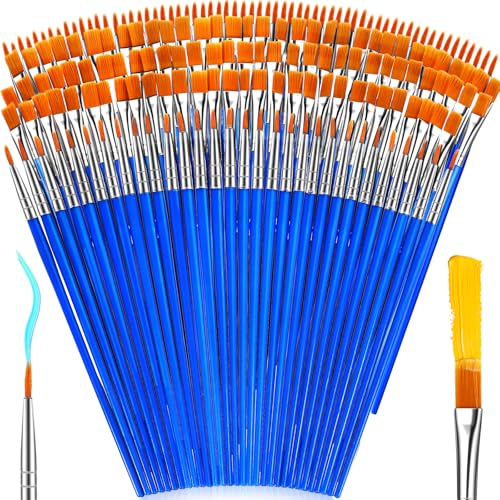
A flat brush has a square-ended head that holds plenty of paint and covers broad, straight surfaces quickly. It is the workhorse for walls, ceilings, doors, and large furniture. Wider flat brushes (3–4 inches) are ideal for wall cutting-in, while narrower sizes handle trim. Mid-range flat brushes with tapered filaments release paint more smoothly than entry-level versions.
Angled Sash Brush
The angled tip of a sash brush lets you cut in along edges, trim, and window frames with precision. The angled cut also helps when painting straight lines without masking tape. A 1.5- to 2-inch angled sash brush is one of the most versatile tools in any painter's kit and works well with both latex and oil paints.
Round or Oval Brush
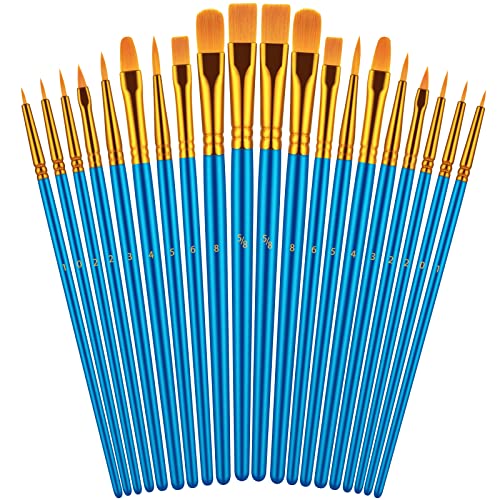
Round and oval brushes are designed for detail work, touch-ups, and painting contoured or narrow surfaces. Their small head size allows precise control around hardware, moldings, and decorative elements. Premium round brushes hold a fine point for extended periods, while budget-friendly versions may splay sooner with heavy use.
Trim Brush
Trim brushes are typically 1.5–2.5 inches wide with firm, tapered filaments and a square or slightly angled end. They are built for cutting in along baseboards, crown molding, and door casings. High-end trim brushes feature densely packed filaments that resist bending and maintain a crisp edge through many hours of use.
Foam Brush
Foam brushes are inexpensive, disposable, and leave virtually no brush marks—making them ideal for applying stains, polyurethane, and craft paints to smooth surfaces. They are not suited for rough or textured surfaces because the foam can tear. Foam brushes are best treated as a specialty tool rather than a replacement for bristle brushes.
Artist & Detail Brush
Small detail brushes are designed for fine touch-ups, decorative painting, and furniture detailing. They come in round, flat, and liner shapes with short handles for close control. Premium detail brushes maintain a sharp point and are valued by professionals for precise, small-scale work. They are not intended for large surface coverage.
Synthetic vs. Natural Bristles: Which Should You Choose?
Bristle material affects how a brush holds paint, how it releases it onto the surface, and how it performs during cleaning. The choice between synthetic and natural bristles depends primarily on the paint type and the finish you want to achieve.
Synthetic Bristles
- Best for water-based latex and acrylic paints
- Resists swelling and maintains stiffness when wet
- Durable and easy to clean with soap and water
- Widely available from entry-level to premium tiers
- Excellent for exterior projects and repeated use
Natural Bristles
- Ideal for oil-based paints, varnishes, and shellac
- Soft tips create a smooth, even finish
- Holds more paint than synthetic in oil applications
- Requires solvent-based cleaning
- Tends to splay if used with water-based paints
Premium synthetic filaments have narrowed the performance gap with natural bristles. High-end synthetic brushes now offer tapered tips and flagged ends that mimic the paint release of natural bristles while retaining the durability and easy cleaning advantages of synthetic materials. For most homeowners working with modern water-based paints, a mid-range or premium synthetic brush is the most practical choice. If you plan to work with oil-based finishes or varnishes, a natural-bristle brush will deliver a smoother, more consistent result.
Brush Type Comparison at a Glance
The table below summarizes the most common brush types and the projects they suit best. Use it as a quick reference when assembling your painting kit.
| Brush Type | Typical Size | Best For | Paint Compatibility | Quality Tier |
|---|---|---|---|---|
| Flat Brush | 3–4 inches | Walls, ceilings, large flat surfaces | Latex, acrylic, oil | Entry-level to mid-range |
| Angled Sash Brush | 1.5–2 inches | Trim, cutting-in, window frames | Latex, acrylic, oil | Mid-range to premium |
| Trim Brush | 1.5–2.5 inches | Baseboards, molding, door casings | Latex, acrylic, oil | Mid-range to premium |
| Round/Oval Brush | 0.5–1 inch | Detail work, touch-ups, contoured surfaces | All paint types | All tiers |
| Foam Brush | 1–3 inches | Stains, polyurethane, craft projects | Water-based and oil-based finishes | Entry-level to mid-range |
| Detail/Artist Brush | 0.25–0.75 inch | Fine touch-ups, decorative work | Acrylic, craft, detail paints | Premium to professional |
How to Choose the Right Paint Brush for Your Project
Selecting a brush is easier when you evaluate the project in terms of surface type, paint type, and desired finish. The following checklist walks you through the key decisions.
Maintaining Your Paint Brushes for Long-Term Performance
Brush maintenance is the single most effective way to protect your investment. After each painting session, remove excess paint from the bristles, then wash the brush thoroughly with the appropriate cleaning agent. Water-based paints clean up with warm water and a mild soap; oil-based paints require mineral spirits or a dedicated brush cleaner. Never let paint dry in the bristles—dried paint pushes filaments apart, reduces paint pickup, and shortens the brush's useful life.
After cleaning, use a brush comb to straighten the filaments and restore the original shape. Store brushes flat or hang them bristle-down using a brush keeper or a small hook. Avoid standing them upright on their bristles, which can bend and permanently distort the filaments. With consistent care, a mid-range or premium brush can remain a reliable part of your toolkit for years.
Frequently Asked Questions
What is the best paint brush for beginners?
Should I use natural or synthetic bristles?
How do I clean and store paint brushes?
What brush size do I need for walls versus trim?
Can I use the same brush for different paint types?
For a complete painting toolkit, pair your brush selection with the right rollers, trays, and preparation supplies. Review our painting tools guide to make sure you have everything needed before starting your next project. If your project includes larger surface preparation or wall repairs, our interior painting overview covers the prep steps that make a durable, professional finish possible.