Master Your Walls: The Ultimate Guide to Painting Tools
From brushes to sprayers – choose the right tool for a professional finish every time.
Shop Top-Rated Painting Tools🔍 Why this guide matters: Whether you're refreshing a single room or tackling a whole-house makeover, the right painting tools make all the difference. This guide cuts through the noise, helping you select high-quality brushes, rollers, sprayers, and accessories that deliver smooth, durable results – saving you time, frustration, and costly do-overs.
Essential Painting Tools – What You Really Need
A well-stocked toolkit is the foundation of any successful painting project. Below we break down the must-have categories and what to look for in each.
Paint Brushes
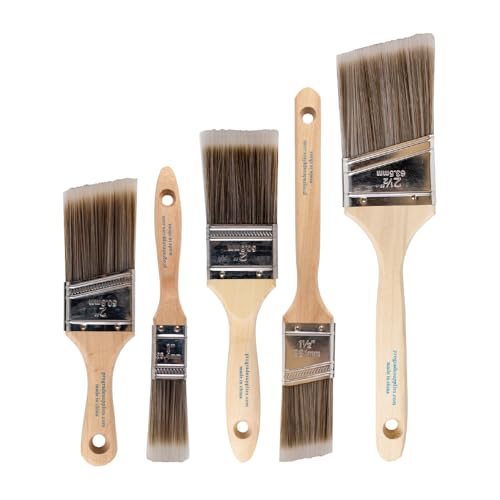
High-quality brushes are non-negotiable for cutting in, trim work, and detail. Look for synthetic bristles for water-based paints and natural bristles for oil-based.
Best for: precision, edges, and small surfaces.
Paint Rollers & Frames
Rollers cover large areas quickly. Choose nap thickness based on surface texture: ⅜" for smooth walls, ½" for medium texture, ¾" for rough surfaces.
Best for: walls, ceilings, and large flat surfaces.
Paint Sprayers
Sprayers deliver an ultra-smooth finish on furniture, cabinets, and exterior siding. HVLP (high-volume low-pressure) models are ideal for DIYers.
Best for: furniture, cabinets, fences, and large projects.
Prep & Support Tools – The Unsung Heroes
Great results start long before the paint touches the wall. These tools ensure your surfaces are ready and your work is protected.
Scrapers & Putty Knives
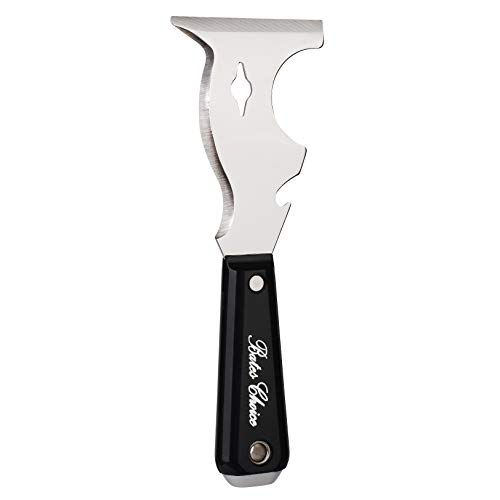
Remove old paint, fill cracks, and smooth surfaces. A 2" and 4" flexible scraper covers most jobs.
Price: $5 – $20 each
- Flexible blade for curved surfaces
- Stiff blade for heavy scraping
- Essential for wall prep
Drop Cloths & Tape
Protect floors, furniture, and trim. Canvas drop cloths are reusable and non-slip. Use quality painter's tape for crisp lines.
Price: $15 – $60+ (cloth), $5 – $15 (tape)
- Canvas cloths absorb spills, no plastic slip
- Blue or green tape for delicate surfaces
- 9‑12 ft. drop cloths for rooms
Brush vs. Roller vs. Sprayer – Which One is Right for You?
Precision, control, small areas
$8–$35Speed, large surfaces, even coverage
$10–$45Ultra-smooth, furniture, exterior
$80–$400Pro tip: Many pros use a combination – brushes for cutting in, rollers for walls, and sprayers for cabinets or fences. Choose based on your project size and finish expectations.
📌 Explore more: Kitchen remodel · Bathroom remodel · Landscaping · Outdoor living · Renovation 101
Step‑by‑Step: How to Use Painting Tools Like a Pro
- Prep the surface: Clean walls, fill holes with a scraper/putty knife, and sand smooth.
- Protect your space: Lay down drop cloths and apply painter's tape to trim.
- Cut in with a brush: Use a 2" angled brush to paint edges and corners.
- Roll large areas: Load roller evenly and work in W‑patterns for uniform coverage.
- Spray for smooth finish (optional): Thin paint if needed, practice on cardboard first.
- Clean tools immediately: Soap and water for latex, mineral spirits for oil‑based.
Following these steps ensures a professional result and extends the life of your tools.
Keep Your Painting Tools in Top Condition
Brushes & Rollers
- Rinse immediately after use
- Comb dry bristles with a brush comb
- Store rollers in plastic wrap to keep moist for multi-day jobs
Sprayers
- Flush with appropriate solvent after each use
- Clean filters and tips regularly
- Lubricate moving parts as recommended
Ready to Paint Like a Pro?
Browse our curated selection of top-rated brushes, rollers, sprayers, and accessories – all tested and trusted by DIY enthusiasts and professionals alike.
Shop Painting Tools Now