Transform Your Outdoor Space with Expert Landscaping
Discover professional landscaping ideas, design tips, hardscape solutions, and plant selection guides to create the garden and yard of your dreams.
Explore Outdoor Living GuidesLandscaping Philosophy: Your outdoor space is an extension of your home. Whether you're looking to create a peaceful retreat, entertain guests, or simply improve curb appeal, the right landscaping design makes all the difference.
What Is Landscaping?
Landscaping is the art and practice of modifying the visible features of an outdoor area to enhance its aesthetic appeal and functionality. It encompasses everything from outdoor lighting and hardscaping to plant selection and lawn care. A well-planned landscape not only boosts property value but also creates a personal sanctuary for relaxation and enjoyment.
Whether you're starting from scratch or refreshing an existing yard, understanding the principles of landscaping helps you make informed decisions that align with your style, budget, and climate.
Key Elements of Landscape Design
Successful landscaping combines several key elements that work together to create a cohesive and inviting outdoor space. Here are the fundamental components every project should consider:
- Hardscaping: Patios, walkways, retaining walls, and other structural features define the layout of your landscape. Materials like stone, brick, and concrete form the backbone of your outdoor living areas.
- Softscaping: Plants, trees, shrubs, and flowers bring life and color to your yard. Choosing the right plants for your climate and soil conditions is essential for long-term success.
- Outdoor Structures: Decks, pergolas, gazebos, and fences add dimension and purpose to your landscape, creating defined spaces for entertaining, dining, or relaxing.
- Water Features: Ponds, fountains, and waterfalls introduce soothing sounds and visual interest, enhancing the sensory experience of your garden.
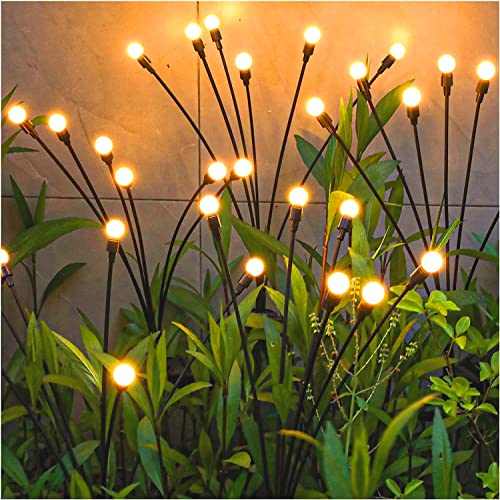
- Garden Lighting: Outdoor lighting extends the usability of your space into the evening, highlights key features, and improves safety along walkways.
Planning Your Landscaping Project
Define Your Goals and Priorities
Before you dig in, take time to envision how you want to use your outdoor space. Consider your lifestyle, family needs, and aesthetic preferences. Do you want a peaceful garden retreat, a play area for children, a space for hosting parties, or a combination of all three? Answering these questions will guide your decisions about layout, materials, and plant selection.
Once your priorities are clear, sketch out a rough design. Include hardscape features, planting areas, and traffic patterns to ensure a functional flow throughout your yard.
Budgeting for Your Landscape
Landscaping costs can vary significantly depending on the scope of your project. While a simple refresh might involve overseeding the lawn and adding a few plants, a full transformation with new patios, retaining walls, and outdoor structures requires a more substantial investment.
Here are typical cost ranges for landscaping projects:
Basic Yard Refresh
Includes planting, mulching, lawn care, and minor improvements
Full Landscape Design
Complete redesign with planting, hardscape, lighting, and structures
Water Features & Irrigation
Ponds, fountains, and automatic irrigation systems
For larger projects, consider consulting a professional landscape designer. While it adds to the upfront cost, their expertise can save you money in the long run by preventing costly mistakes.
Hardscaping: The Foundation of Your Landscape
Patios and Walkways
Patios create dedicated areas for dining, lounging, and entertaining. Popular materials include natural stone, concrete pavers, and brick. When designing a patio, consider its proximity to the house, sun exposure, and intended use. Patio pavers are a versatile option that offers durability, easy installation, and a wide range of design possibilities.
Walkways guide visitors through your landscape and connect different areas. Choose materials that complement your home's architecture and the surrounding environment. Curved paths create a more natural, inviting feel, while straight lines offer a modern aesthetic.
Retaining Walls and Grading
Retaining walls serve both functional and aesthetic purposes. They prevent soil erosion, create level planting areas on sloped properties, and add visual interest to your landscape. Materials range from natural stone and concrete blocks to timber. Proper drainage is critical behind retaining walls to prevent water damage and structural failure.
Grading ensures proper water drainage away from your home's foundation. If you're noticing puddles or drainage issues, it's worth investing in professional grading services before beginning your landscaping project.
Planting and Garden Design
Plant Selection for Every Season
Choosing the right plants is the most important decision in landscaping. Consider factors such as climate, soil type, sunlight exposure, and maintenance requirements. A mix of evergreen shrubs, flowering perennials, and seasonal annuals ensures year-round color and interest.
Group plants with similar water and light needs together to simplify care. Native plants are excellent choices because they naturally thrive in your region and require less water and maintenance once established.
- Evergreens: Provide structure and color year-round
- Flowering Perennials: Return every season with beautiful blooms
- Ornamental Grasses: Add texture and movement to your landscape
- Shade Trees: Offer cooling shade and increase property value
Creating a Garden Focal Point
Every beautiful landscape has a focal point that draws the eye and anchors the design. This could be a striking tree, a sculpture, a water feature, or a beautifully designed patio. Focal points add depth and personality to your garden, making it feel curated and intentional.
Consider incorporating a rainwater harvesting system as a sustainable focal point—it's both practical and environmentally friendly. A decorative rain barrel or a small pond can become a stunning centerpiece while reducing water usage.
Outdoor Living and Entertainment
Creating an Outdoor Room
Your landscape can extend your living space with an outdoor room designed for dining, relaxing, or entertaining. Key features include comfortable seating, dining areas, and outdoor lighting for ambiance. Adding a fire pit or outdoor kitchen elevates the experience, making your yard a year-round destination.
Consider the flow between indoor and outdoor spaces. Large sliding doors, covered patios, and seamless flooring transitions blur the boundaries and make your outdoor room feel like a natural extension of your home.
Functional Landscape Features
Beyond aesthetics, a well-designed landscape includes practical features that enhance daily life. Consider incorporating:
- Irrigation Systems: Automate watering to keep your lawn and garden healthy with minimal effort.
- Garden Paths: Connect different areas and guide visitors through your yard.
- Outdoor Storage: Sheds and storage boxes keep tools and equipment organized and out of sight.
- Kitchen Gardens: Grow herbs, vegetables, and fruits for fresh, homegrown produce.
- Compost Areas: Create nutrient-rich soil for your plants while reducing waste.
These functional features add value and usability to your landscape, making it more than just a decorative space.
Landscaping Maintenance Tips
Pro Tip: Regular maintenance is the key to a beautiful landscape. Schedule seasonal clean-ups, fertilize plants according to their needs, water deeply but infrequently to encourage strong roots, and prune plants to maintain shape and health. Consider overseeding your lawn each fall to keep it thick and lush.
Seasonal Landscape Care
Different seasons require different care strategies. In spring, focus on cleaning up debris, dividing perennials, and preparing planting beds. Summer calls for regular watering, weeding, and lawn mowing. Fall is ideal for overseeding, aerating, and adding compost to prepare for winter. In winter, protect vulnerable plants with mulch or covers and plan your spring projects.
Common Landscaping Mistakes to Avoid
- Overplanting: Plants grow quickly; give them room to reach maturity.
- Ignoring Drainage: Poor drainage leads to waterlogged roots and soil erosion.
- Skipping Soil Preparation: Healthy soil is the foundation of a healthy garden.
- Underestimating Maintenance: Choose plants and features that match your available time and effort.
- Inconsistent Design: Maintain a cohesive style and color palette throughout your yard.
Ready to Transform Your Landscape?
Whether you're dreaming of a peaceful garden retreat, a vibrant entertaining space, or a practical outdoor living area, the right landscaping can bring your vision to life. Start by defining your goals, understanding your space, and choosing materials and plants that reflect your style.
For more inspiration and project ideas, visit the Outdoor & Garden section for guides on outdoor lighting, patio pavers, and other essential features.