
Overseeding Lawn Guide
Revive your lawn with professional overseeding techniques. Learn when and how to overseed for a thicker, greener, and healthier yard that stands out in your neighborhood.
🌱 What Is Overseeding? Overseeding is the practice of spreading grass seed over an existing lawn without tearing up the soil. It’s a proven technique to thicken turf, fill in bare patches, improve color, and enhance your lawn’s resistance to weeds, disease, and drought.
Why Should You Overseed?
Lawns naturally thin out over time due to foot traffic, heat stress, and seasonal changes. Overseeding is an essential part of landscaping maintenance that rejuvenates your grass without the need for a full renovation. The benefits include:
- Thicker Turf: Fills in sparse areas for a dense, carpet-like lawn.
- Improved Color: Introduces new, vibrant grass varieties.
- Weed Prevention: Dense grass crowds out weeds naturally.
- Drought Resistance: Stronger root systems hold moisture better.
- Disease & Pest Resistance: Healthy grass is less susceptible to problems.
Best Time to Overseed
Timing is critical for successful overseeding. The ideal window depends on your grass type and climate:
Cool-Season Grasses
Late Summer to Early Fall (August – September) is the prime time. Soil temperatures are still warm, air is cooler, and there’s less weed competition. Spring overseeding is also possible but requires more irrigation.
Warm-Season Grasses
Late Spring to Early Summer (May – June) works best. Wait until the grass is actively growing and soil temperatures reach 65°F–70°F. Avoid overseeding during peak summer heat.
How to Overseed Your Lawn: Step-by-Step
Step 1: Mow Low
Cut your grass shorter than usual—about 1.5 to 2 inches. This exposes the soil surface and allows seed to make contact with the ground. Bag the clippings to remove debris.
Step 2: Dethatch & Aerate
Remove excess thatch (the layer of dead grass and roots) using a dethatching rake or machine. For compacted soil, core aeration is highly recommended. Aeration creates holes that allow seed, water, and nutrients to reach the root zone.
Step 3: Choose the Right Seed
Select high-quality grass seed that matches your existing lawn type and climate. For sunny areas, choose a sun-tolerant mix; for shade, use shade-tolerant varieties. Consider a blend that includes disease-resistant cultivars.
Step 4: Spread the Seed
Use a broadcast spreader for even coverage. Apply half the recommended rate in one direction, then the remaining half perpendicular to the first pass. This ensures uniform distribution.
Step 5: Fertilize
Apply a starter fertilizer high in phosphorus (the middle number in N-P-K) to promote root development. Follow product instructions for application rates.
Step 6: Water Consistently
Keep the soil consistently moist—but not soaked—until the new grass reaches mowing height. Light, frequent watering (2–3 times daily for 5–10 minutes) is ideal. Gradually reduce frequency as the grass establishes.
Expert Overseeding Tips
✔️ Use High-Quality Seed
Invest in premium seed from reputable brands. Check the label for weed seed content and germination rates.
✔️ Don’t Skip Aeration
Aeration is the most critical step. It reduces soil compaction and gives seed direct soil contact, dramatically improving germination.
✔️ Water Wisely
Consistent moisture is key. Use a timer to avoid over- or under-watering. Water early in the morning to reduce evaporation.
✔️ Mow at the Right Time
Wait until new grass is 3–4 inches tall before the first mow. Use a sharp blade and cut no more than one-third of the blade height.
Common Overseeding Mistakes to Avoid
- Overseeding Too Late: Seed needs time to establish before winter or summer stress hits.
- Skipping Soil Prep: Seed-to-soil contact is essential. Don’t just toss seed on top of grass.
- Using the Wrong Seed: Always match the seed to your lawn's conditions (sun, shade, traffic).
- Overwatering or Underwatering: Inconsistent moisture is a leading cause of overseeding failure.
- Fertilizing Too Early: Wait until the new grass has emerged before applying nitrogen-rich fertilizer.
Top Supplies for Lawn Overseeding
⚠️ AFFILIATE DISCLOSURE: This website contains affiliate links. As an Amazon Associate, we earn from qualifying purchases. If you make a purchase through these links, we may receive a small commission at no additional cost to you. Read our full affiliate policy.
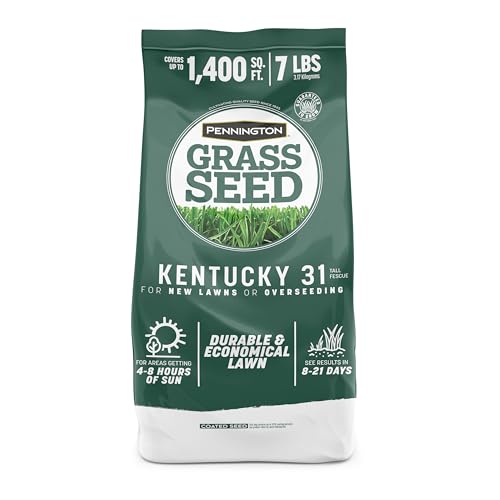
Pennington Kentucky 31 Tall Fescue Grass Seed, Drought-Resistant, 7 LB

Scotts Turf Builder Grass Seed Sun & Shade Mix, 5.6 lbs.

Pennington Kentucky 31 Fescue 40 LB Tall Fescue Grass Seed, Grass Seeds for Lawn
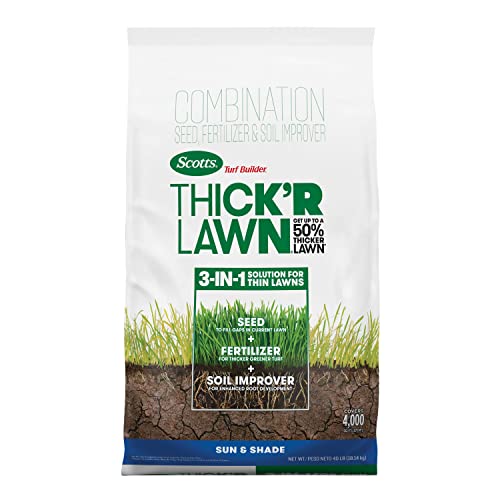
Scotts Turf Builder Thick'R Lawn Sun & Shade, 40 lbs.

Jonathan Green Black Beauty Ultra Grass Seed - 7 lb

Pennington Contractors Central Grass Seed Mix, 7 lb
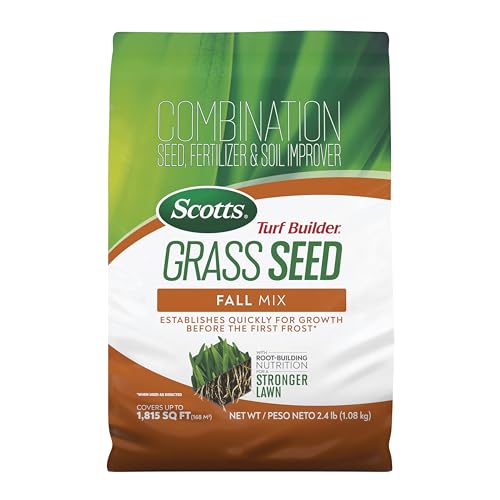
Scotts Turf Builder Grass Seed Fall Mix, 2.4 lbs.

Pennington Contractors Northern Grass Seed Mix, Rapid Grass Seeds for Lawn, 40 lb
Frequently Asked Questions
Can I overseed in spring?
Yes, but it requires more irrigation and weed control. Fall is generally preferred for cool-season grasses because of cooler temperatures and less weed competition.
How much seed do I need?
Typically, 5–10 pounds per 1,000 square feet for overseeding. Follow seed package recommendations for your specific grass type.
Can I walk on the lawn after overseeding?
Minimize foot traffic for at least 3–4 weeks to avoid disturbing seed and new seedlings.
When can I mow after overseeding?
Wait until new grass reaches 3–4 inches in height. Mow with a sharp blade and set the mower high.