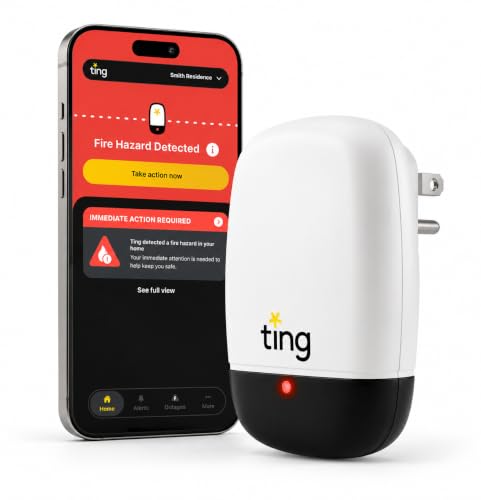
Electrical Safety: Protect Your Home & Family
From GFCI outlets to surge protection and proper wiring – learn the essential safety practices that every homeowner should know. Reduce fire risks, prevent shocks, and keep your electrical system up to code.
Explore Circuit Breaker GuideWhy electrical safety matters: According to the Electrical Safety Foundation International (ESFI), home electrical fires account for an estimated 51,000 fires each year. Many are preventable with proper installation, regular inspections, and updated safety devices. This guide gives you the knowledge to protect your home.
Key Electrical Safety Topics
GFCI & AFCI Protection
Ground Fault Circuit Interrupters (GFCI) shut off power when they detect a ground fault, preventing electrocution. Arc Fault Circuit Interrupters (AFCI) protect against electrical fires caused by arcing. Modern codes require GFCI in kitchens, baths, and outdoors. Learn more about GFCI outlets →
Surge Protection
Power surges can destroy sensitive electronics and start fires. Whole‑house surge protectors and point‑of‑use strips with joule ratings above 2000J offer the best defense. Understand your home’s wiring →
Circuit Breaker Basics
Circuit breakers are your home’s first line of defense against overloads and short circuits. Know the difference between standard, GFCI, and AFCI breakers, and never oversize a breaker for a circuit. Read the full breaker guide →
Safe DIY Electrical Practices
Always turn off power at the panel, use a voltage tester, and never work on live circuits. Use proper tools like wire strippers and voltage testers. If you’re unsure, hire a licensed electrician.
Wiring, Grounding & Common Hazards
Proper grounding is essential for safety. Grounding provides a path for fault current to trip breakers, reducing shock risk. Older homes with two‑prong outlets lack grounding – consider upgrading to three‑prong GFCI‑protected outlets. Explore outlet options →
Common hazards: Overloaded circuits, damaged cords, and loose connections are frequent culprits. Regularly inspect cords for fraying, avoid running cords under rugs, and never use extension cords as permanent wiring. See our home safety checklist →
For outdoor projects, ensure all exterior outlets are GFCI‑protected and weather‑resistant. Use outdoor‑rated wiring and junction boxes to prevent moisture intrusion.
✔️ Electrical Safety Checklist
- Test GFCI outlets monthly (press TEST/RESET)
- Check circuit breakers for proper labeling
- Replace damaged or frayed power cords
- Use surge protectors for electronics
- Keep electrical panels clear of obstructions
- Install smoke detectors on every floor
- Never use extension cords as permanent wiring
- Schedule professional inspection every 10 years
Upgrade Your Safety Equipment Today
Investing in quality safety devices – from GFCI outlets to whole‑house surge protectors – is one of the smartest home improvements you can make. The products recommended below are trusted by professionals and backed by thousands of positive reviews. Equip your home with the best protection and enjoy peace of mind.
Need tools for the job? Check our guides on multimeters, voltage testers, and wire strippers to perform safe inspections and minor repairs.