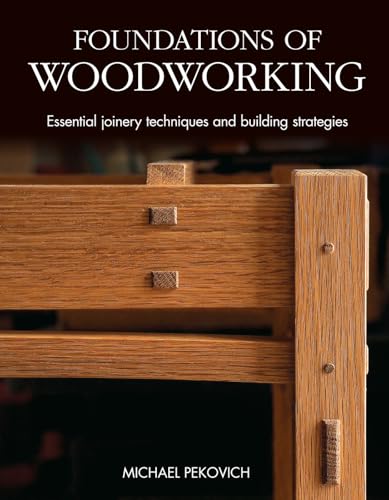
Advanced Joinery Techniques
Master the art of woodworking joints. Learn dovetails, mortise & tenon, box joints, and more to build strong, heirloom-quality furniture.
EXPLORE JOINERY TECHNIQUESAdvanced joinery is the foundation of fine woodworking. Whether you're building a dining table, a bookshelf, or a custom cabinet, the joints you choose determine not only the strength and durability of your piece but also its visual appeal. While basic butt joints and pocket screws are useful for simple projects, advanced joinery techniques elevate your work to a professional level, creating furniture that can last for generations.
In this comprehensive guide, we'll explore the most essential advanced joinery methods, from dovetail joints to mortise and tenon, and provide you with the knowledge you need to select and execute the right joint for your next woodworking project. Whether you're a seasoned woodworker looking to refine your skills or a DIY enthusiast ready to take your craft to the next level, this guide will help you build with confidence and precision.
Essential Advanced Joinery Techniques
Dovetail Joints
The dovetail joint is widely regarded as the gold standard for drawer construction and box-making. Its interlocking wedge-shaped pins and tails create a mechanical bond that is incredibly strong without the need for screws or nails.
- Best for: Drawers, boxes, and furniture carcasses
- Key tools: Dovetail saw, chisels, marking gauge
- Skill level: Intermediate to advanced
- Strength: Exceptional (resists pulling apart)
Mortise & Tenon
The mortise and tenon joint is one of the oldest and strongest woodworking joints. It involves a projection (tenon) on one piece that fits into a matching hole (mortise) on another. This joint is the backbone of traditional furniture making.
- Best for: Table legs, chairs, door frames, and bed frames
- Key tools: Mortising chisel, drill press, tenon saw
- Skill level: Intermediate
- Strength: Outstanding (sturdy and durable)
Box Joints
Also known as finger joints, the box joint is a simple yet effective technique for joining boards at right angles. It's easier to cut than dovetails, especially with a table saw or router, and offers excellent glue surface area for a strong bond.
- Best for: Boxes, drawers, and cabinet corners
- Key tools: Table saw with dado stack or router with jig
- Skill level: Beginner to intermediate
- Strength: Very good (large glue area)
Biscuit Joints
A biscuit joint uses a small oval-shaped piece of compressed wood (biscuit) inserted into matching slots in both workpieces. When glue is applied, the biscuit expands, creating a tight, aligned joint. It's excellent for panel glue-ups and edge-joining boards.
- Best for: Panel glue-ups, edge-joining, and alignment
- Key tools: Biscuit joiner (plate joiner)
- Skill level: Beginner
- Strength: Good (excellent alignment)
Dowel Joints
Dowel joints use cylindrical wooden pegs (dowels) inserted into aligned holes to connect two pieces of wood. This method is strong, easy to align with a jig, and offers a clean appearance without visible fasteners.
- Best for: Shelves, chairs, and furniture assembly
- Key tools: Doweling jig, drill, glue
- Skill level: Beginner to intermediate
- Strength: Very good (when properly aligned)
Spline Joints
A spline joint involves inserting a thin piece of wood (spline) into a groove cut into two adjoining pieces. This method is often used for miter joints to reinforce the connection and add decorative flair to corners and frames.
- Best for: Picture frames, cabinet doors, and mitered corners
- Key tools: Table saw, spline jig, router
- Skill level: Intermediate
- Strength: Very good (reinforces miter joints)
Joinery Comparison: Strength, Difficulty & Best Use
| Joint Type | Strength | Difficulty | Best Use | Tools Needed |
|---|---|---|---|---|
| Dovetail | Exceptional | Advanced | Drawers, boxes, fine furniture | Dovetail saw, chisels, marking gauge |
| Mortise & Tenon | Outstanding | Intermediate | Tables, chairs, door frames, bed frames | Mortising chisel, drill press, tenon saw |
| Box Joint | Very Good | Beginner–Intermediate | Boxes, drawers, cabinet corners | Table saw with dado stack or router with jig |
| Biscuit Joint | Good | Beginner | Panel glue-ups, edge-joining boards | Biscuit joiner (plate joiner) |
| Dowel Joint | Very Good | Beginner–Intermediate | Shelves, chairs, furniture assembly | Doweling jig, drill, glue |
| Spline Joint | Very Good | Intermediate | Picture frames, cabinet doors, mitered corners | Table saw, spline jig, router |
Expert Tips for Mastering Advanced Joinery
Whether you're cutting your first dovetail or perfecting a mortise and tenon, these expert tips will help you achieve cleaner, stronger, and more professional results.
1. Use Sharp Tools
A sharp chisel or saw is essential for clean cuts. Dull tools can tear wood fibers, leading to a poor fit. Learn to maintain and sharpen your tools for precision joinery.
2. Mark, Don't Guess
Use a marking gauge, knife, and square for precise layout. Accurate marking is the difference between a tight joint and a gap. Always mark the waste side of your cuts.
3. Dry-Fit Before Gluing
Always assemble your joint without glue first. This allows you to check the fit, make adjustments, and ensure everything aligns before the glue sets.
4. Choose the Right Wood
Hardwoods like oak, walnut, and cherry are ideal for advanced joinery. They cut cleanly and hold tight joints. Learn more about wood selection for your projects.
5. Practice on Scrap
Before cutting into your project wood, practice your joints on scrap pieces. This builds muscle memory and helps you fine-tune your technique without costly mistakes.
6. Use Quality Glue
For most joinery, a high-quality wood glue like Titebond III is recommended. It provides a strong bond and offers water resistance for added durability.
Ready to Build Something Amazing?
Equip your workshop with professional-grade tools and materials for precision joinery. Explore our curated selection of woodworking essentials.
SHOP WOODWORKING TOOLSExplore More Woodworking Guides
Woodworking Basics
Start your woodworking journey with fundamental techniques and essential safety tips for beginners.
Cabinet Making
Learn how to build custom cabinets with professional joinery techniques and finishing methods.
Tool Storage Ideas
Organize your workshop with smart storage solutions that make your tools easily accessible and protected.