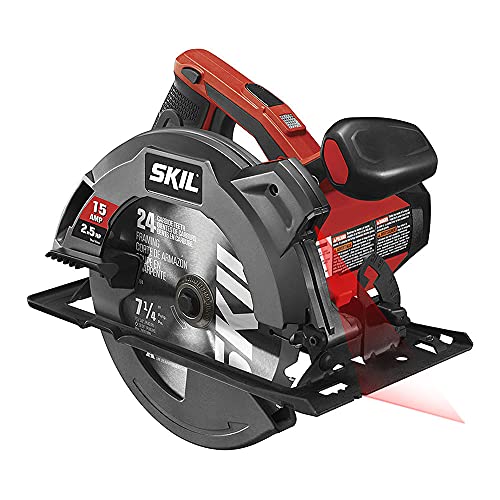
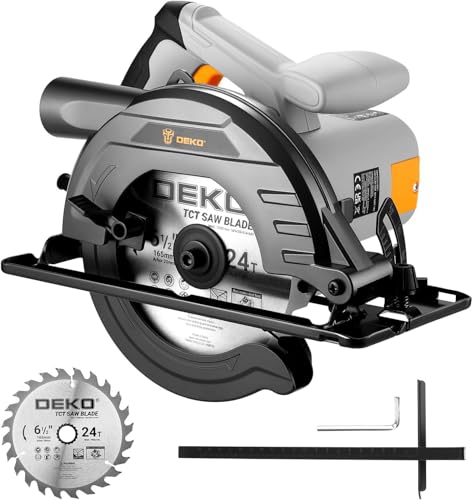
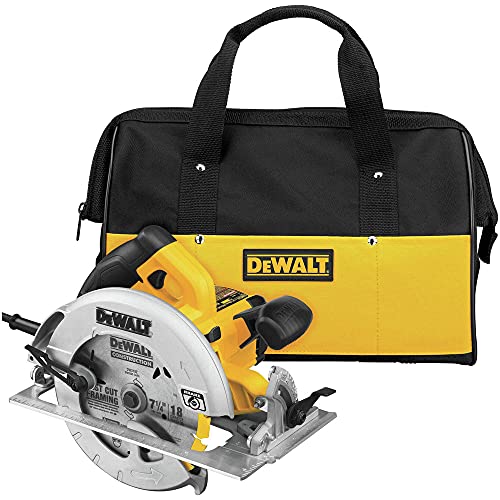
Master Your Cuts: The Ultimate Circular Saws Guide
From cordless convenience to worm-drive power – discover how to choose, use, and maintain the perfect circular saw for your workshop.
Shop Top-Rated SawsA circular saw is the backbone of any serious workshop. Whether you're framing a deck, ripping plywood, or making precision crosscuts, this versatile tool delivers power and accuracy. With countless options on the market, finding the right saw can feel overwhelming. This guide breaks down the essential types, key features, and top brands to help you make an informed decision.
🔍 Why you can trust this guide: Our team has analyzed hundreds of circular saws, tested key models, and consulted professional carpenters to bring you unbiased, data-driven advice. We focus on real-world performance so you can buy with confidence.
Types of Circular Saws
🔌 Sidewinder (Direct Drive)
The most common type, with the motor mounted sideways. Lightweight, affordable, and ideal for DIYers. Blade is on the right side (standard) or left side (for better visibility).
⚡ Worm Drive
Motor is at the rear, driving the blade through gears. Offers immense torque for heavy ripping and framing. Heavier but more durable – preferred by professionals.
🔋 Cordless (Brushless)
Powered by high-capacity lithium-ion batteries. Modern brushless motors deliver power comparable to corded models. Ultimate portability for job sites and remote work.
📐 Compact / Mini Saws
Smaller blade size (4½"–5⅜") for light-duty tasks, trimming, and overhead work. Easy to handle and great for tight spaces.
What to Look For in a Circular Saw
Blade Size & Arbor
Most common is 7¼" for depth of cut up to 2½". Arbor size (typically 5/8") must match your blades.
Motor Power (Amps / Volts)
Corded: 12–15 Amps. Cordless: 18V–36V. More power means smoother cuts in hardwoods.
Bevel Capacity
Look for 45°–50° bevel with positive stops for common angles.
Dust Blower & Visibility
Built-in blower clears sawdust from your cut line. LED lights improve visibility in dim conditions.
Weight & Ergonomics
Lighter saws reduce fatigue. Rubberized grips and balanced design improve control.
Safety Features
Electric brake, blade guard, and anti-kickback mechanism are essential for safe operation.
Top Circular Saw Brands Comparison
| Brand | Best For | Key Model | Price Range |
|---|---|---|---|
| DeWalt | Durability & Jobsite Performance | DWE575SB (7¼") | $180–$250 |
| Makita | Precision & Smooth Operation | 5007MGA (7¼") | $200–$300 |
| Milwaukee | Cordless Power (M18 FUEL) | 2732-20 (7¼") | $250–$400 |
| Skilsaw | Worm Drive Legend | SPT70WT-01 (7¼") | $300–$450 |
| Bosch | Ergonomics & Low Vibration | CS10 (7¼") | $170–$230 |
Cordless vs. Corded: Which is Right for You?
🔌 Corded Circular Saws
- Pros: Unlimited runtime, consistent power, lower cost, lighter weight (no battery).
- Cons: Tether to outlet, extension cord management.
- Best for: Workshop use, heavy ripping, and long cutting sessions.
🔋 Cordless Circular Saws
- Pros: Ultimate portability, no cords, brushless motors offer high efficiency.
- Cons: Battery cost, limited runtime (2–6+ cuts per charge depending on battery).
- Best for: Job sites, remote work, and DIYers who value mobility.
Safety & Maintenance Tips
- ✔ Always wear safety glasses and ear protection.
- ✔ Use work gloves for grip and protection.
- ✔ Check blade guard retracts and returns smoothly.
- ✔ Keep blades sharp – dull blades cause kickback.
- ✔ Let the saw reach full speed before cutting.
- ✔ Secure your workpiece with clamps or a clamp.
- ✔ Clean dust ports and vents after each use.
- ✔ Store saw in a dry, clean case.
Ready to Choose Your Circular Saw?
Compare the top models below. Each saw is hand-picked based on performance, value, and user reviews. Click through to check current prices and availability.
Shop Best SawsExplore more: Tools & Equipment · Woodworking Projects · Home Improvement · DIY Tips & Guides