
Duct Cleaning: A Complete Guide to Healthier Home Air
Understand what duct cleaning really involves, how to recognize when your air ducts need attention, and how to choose the right service for your home and family.
EXPLORE THE GUIDEWhy this matters: Your HVAC ductwork circulates air through every room of your home, multiple times a day. When dust, debris, pollen, pet dander, and even mold accumulate inside the system, that same air quality reaches your family's lungs. Duct cleaning is not just a chore — it is a foundational step toward healthier indoor air and more efficient energy use.
What Is Duct Cleaning, Exactly?
Duct cleaning is the process of removing accumulated dust, dirt, debris, allergens, and microbial growth from the interior surfaces of your home’s forced-air heating, ventilation, and air conditioning (HVAC) duct system. It includes the supply ducts that deliver conditioned air to rooms, the return ducts that pull air back into the system, and often the registers, grilles, and diffusers that connect ductwork to living spaces.
Unlike surface cleaning, duct cleaning requires specialized equipment: high-powered vacuum systems with HEPA filtration, rotary brushes, compressed-air whips, and sometimes mechanical agitation tools that dislodge debris from duct walls so it can be extracted safely. A thorough service also addresses the air handler, evaporator coil, blower motor, and drain pan — components that often harbor the most contaminants. For homeowners who are also upgrading other parts of their home, do-it-yourself home improvement projects often pair well with routine HVAC maintenance to keep the whole house running smoothly.
Why Duct Cleaning Matters for Your Home and Health
Indoor air quality is a growing concern for families, especially those living with allergies, asthma, or respiratory sensitivities. According to the U.S. Environmental Protection Agency, indoor air can be two to five times more polluted than outdoor air — and ductwork is a major contributor to that statistic when it goes uncleaned for years. Contaminants such as dust mites, pet dander, mold spores, pollen, and even construction debris settle inside ducts and get redistributed every time the system runs.
Duct cleaning also supports HVAC efficiency. When airflow is restricted by debris buildup on the evaporator coil or blower wheel, your system must work harder to maintain the same temperature, which can raise energy consumption and accelerate wear on components. For homeowners tracking the total cost of renovating a house, hidden HVAC inefficiencies are an easy expense to overlook. Regular duct maintenance keeps your system closer to its peak performance, reducing long-term operating strain.
Signs Your Ducts Need Cleaning
Not every home needs duct cleaning on a strict schedule. The National Air Duct Cleaners Association (NADCA) recommends cleaning when conditions warrant it — not on a fixed calendar. Here are the most reliable signs that your system is due for professional attention:
- Visible dust or debris inside registers or duct openings when you remove the grille.
- Persistent dust settling on furniture and surfaces shortly after cleaning.
- Musty or stale odors when the HVAC system kicks on, which may indicate mold or bacterial growth.
- Recent renovation or construction — drywall dust, sawdust, and debris often enter the duct system during remodeling.
- Pest activity such as rodents, insects, or droppings in the ductwork.
- Water damage or moisture around the air handler or visible mold on duct surfaces.
- Allergy symptoms that worsen indoors, especially when the HVAC system runs.
- New home purchase with an unknown maintenance history.
If you notice several of these signals at once, it is worth scheduling an inspection. A reputable technician can determine whether cleaning is genuinely necessary — be cautious of contractors who insist on cleaning every home on a rigid schedule without evaluating the actual condition of your ducts.
The Duct Cleaning Process: What to Expect
A professional duct cleaning typically follows a structured sequence. Understanding the steps helps you evaluate whether a contractor is doing the job properly and gives you confidence to ask informed questions.
1. Inspection and Assessment
Technicians start by inspecting the duct system, including the air handler, plenum, and visible duct runs. Many professionals use video inspection cameras to reveal hidden conditions inside the ductwork and document the before-and-after condition. This stage also identifies whether the system has any damage that must be repaired before cleaning.
2. Sealing and Creating Negative Pressure
Before cleaning begins, the system is often sealed to create negative pressure, which prevents dislodged contaminants from escaping into living spaces. The main vacuum connects to the air handler or a designated access point, and registers are covered or sealed to ensure debris travels into the collection unit rather than into rooms.
3. Mechanical Agitation and Extraction
Technicians use rotary brushes, air whips, and manual agitation tools to dislodge debris from duct walls. The HEPA vacuum system extracts the loosened material. This combination of agitation and suction is the core of proper duct cleaning — suction alone is rarely sufficient for stubborn buildup.
4. Cleaning of HVAC Components
Beyond the ducts themselves, a thorough service includes cleaning the evaporator coil, blower assembly, drain pan, and accessible interior surfaces of the air handler. These components often hold the heaviest contamination and have the biggest impact on airflow and air quality.
5. Final Inspection and Verification
After cleaning, technicians should verify results, often with video documentation or a visual walkthrough. A written report describing what was cleaned, what was found, and any recommended follow-up repairs is a mark of professionalism.
If the cleaning reveals damaged or disconnected ductwork, repairs may be necessary before the system can function efficiently. Homeowners tackling broader do-it-yourself home repair projects should consult a qualified HVAC professional for anything involving the duct system's structural integrity.
DIY vs Professional Duct Cleaning
Some homeowners wonder whether they can clean their own ducts with a shop vacuum or a consumer-grade duct cleaning kit. While light surface cleaning of registers and grilles is reasonable, full duct cleaning is not a realistic DIY project for most homes. Here is why:
- Equipment limitations: Consumer vacuums lack the suction and HEPA filtration required to safely contain fine particulate matter. Disturbing debris without proper extraction can worsen indoor air quality.
- Access challenges: Ductwork runs through walls, ceilings, and crawlspaces. Accessing the full system typically requires cutting access holes and re-sealing them properly.
- Contamination risks: Mold, pest droppings, and other biological contaminants require protective equipment and specialized handling.
- HVAC component complexity: Cleaning the evaporator coil, blower, and plenum safely requires knowledge of HVAC systems and the right tools.
Many homeowners choose to hire a NADCA-certified professional for the duct system while handling simpler maintenance tasks themselves. Comparing DIY vs hiring a pro is a smart framework: for tasks where mistakes carry real health or safety consequences, professional service is usually the right call.
How to Choose a Trustworthy Duct Cleaning Provider
The duct cleaning industry has a wide range of service quality. Some contractors are thorough and certified; others use aggressive sales tactics or offer “bait-and-switch” promotions that lead to inflated invoices. Use these criteria to vet potential providers:
- NADCA certification: The National Air Duct Cleaners Association sets industry standards. Certified firms have demonstrated knowledge of proper procedures and equipment.
- Source removal methods: A legitimate provider uses mechanical agitation combined with HEPA vacuum extraction, not chemical sprays alone.
- Video inspection: Ask whether they inspect before and after cleaning, and whether you will receive documentation.
- Clear scope of work: A written estimate should specify exactly what will be cleaned, how many vents, and what components are included.
- No high-pressure upselling: Be wary of contractors who push chemical treatments, mold remediation, or additional services without evidence of a problem.
- Insurance and licensing: Confirm the company carries liability insurance and any required local licensing.
- Realistic claims: Reputable providers will not promise to cure allergies or eliminate all dust. They will describe what cleaning can and cannot accomplish.
For homeowners comparing broader contractor options, reviewing resources such as exterior home improvement contractors near me can offer a useful benchmark for how to evaluate local service providers across trades.
How Often Should You Clean Your Ducts?
There is no universal answer. NADCA guidance suggests cleaning when conditions indicate a need rather than on a strict schedule. In practice, most homes fall into these ranges:
- Every 3–5 years for typical households with moderate dust and no pets or allergies.
- Every 2–3 years for homes with pets, allergy sufferers, or heavy dust loads.
- Immediately after renovation, water damage, pest infestation, or moving into a previously occupied home with unknown maintenance history.
Homes in dusty environments, near construction, or with smokers may benefit from more frequent attention. The key is to base the decision on inspection and evidence rather than marketing pressure.
Duct Cleaning Within the Broader Home System
Duct cleaning rarely exists in isolation. Air handlers, furnaces, water heaters, and ventilation systems work together, and maintenance on one component often reveals issues in another. If your home is undergoing larger upgrades, understanding the cost of renovating a house and planning HVAC maintenance alongside other projects can save time and prevent redundant work.
For homes where bathrooms or kitchens are being renovated, dust and debris often find their way into the duct system. Scheduling duct cleaning after major construction is complete is a common best practice. Homeowners researching bathroom projects may find cost of remodeling a small bathroom resources helpful for budgeting; pairing the renovation with HVAC maintenance keeps the entire home healthier.
Beyond cleaning, keep an eye on related maintenance items — filter changes, seasonal HVAC inspections, and moisture control. These simple habits extend the life of your ductwork and support consistent indoor air quality between professional cleanings.
Bottom Line: Clean Ducts, Healthier Home
Duct cleaning is a meaningful investment in your home’s indoor air quality, HVAC efficiency, and long-term comfort. The most important takeaways are to clean when evidence warrants it, choose a certified and transparent provider, and approach the process as part of a broader home maintenance routine. Whether you are preparing for a renovation, managing allergies, or simply want a fresher home, a properly cleaned duct system is a strong foundation.
If you are exploring other ways to improve your home’s efficiency and value, resources on easy ways to increase the value of your home can help you prioritize projects that deliver the most benefit. Duct cleaning is one of those quiet, high-impact upgrades that rarely gets attention until you notice the difference.
Recommended Duct Cleaning Equipment & Air Quality Tools
⚠️ AFFILIATE DISCLOSURE: This website contains affiliate links. As an Amazon Associate, we earn from qualifying purchases. If you make a purchase through these links, we may receive a small commission at no additional cost to you. Read our full affiliate policy.

Holikme Dryer Vent Cleaner Kit - 30Ft Fireplace Chimney Brushes Flexible | Dryer Vent Cleaner Brush with Drill Attachment, Removes Years of Lint Buildup, Improves Airflow, Faster Drying & Fire Safety
Check price on Amazon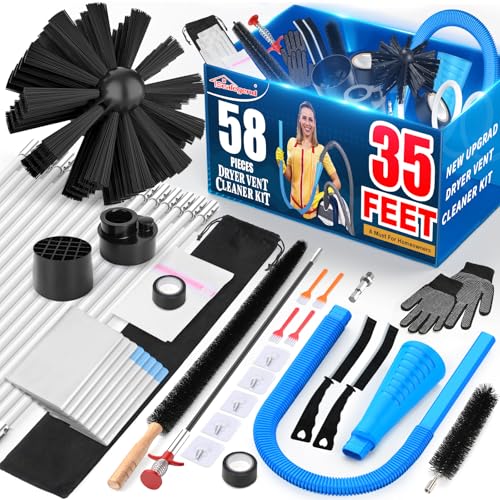
Sealegend 58-Pieces 35-Feet Dryer Vent Cleaner Kit, Dryer Cleaning Tools | Omnidirectional Blue Dryer Lint Vacuum Attachment, Dryer Vent Brush, Clean Hard-to-Reach Areas, Remove Hidden Lint
Check price on Amazon
Holikme Dryer Vent Cleaner Kit - 35Ft Flexible Lint Brush for Deep Cleaning | Dryer Vent Cleaner Brush with Drill Attachment, Removes Years of Lint Buildup, Improves Airflow, Faster Drying & Fire Safety
Check price on Amazon
Sealegend 40Ft Dryer Vent Cleaner Kit Flexible Lint Remover | Upgraded Quick-Snap Brush with Drill Attachment for Easy to Use, Deep Clean, Lint Removal, Easy DIY Assembly, Home Essential
Check price on Amazon
Flexible 8 Tentacles Air Duct Cleaning Whip, Forward Air Flow Design, 14 Inch Long for Duct Cleaning with 1/8 Inch Connector
Check price on Amazon
TECHTONGDA Air Duct Cleaning Machine for Fresh Air Pipe Cleaning & Suction | Fits Pipes Diameter 1.97"-7.87", 49.2 ft Flexible Shaft Length, Rotary Brush Duct Pipe Cleaning Machine Vent Cleaning Tool
Check price on Amazon
Sealegend 60Ft Dryer Vent Cleaner Kit - FlexibleLint Remover | Upgraded Quick-Snap Brush with Drill Attachment for Easy to Use, Deep Clean, Lint Removal, Easy DIY Assembly, Home Essential
Check price on Amazon