Water Features: Transform Your Garden Into a Peaceful Retreat
Discover how fountains, ponds, and waterfalls can elevate your outdoor space. Expert guidance on design, installation, and maintenance for every experience level.
Explore Water Feature TypesWhy Water Features Matter: Adding a water feature to your garden or home is more than a decorative choice—it creates a calming atmosphere, attracts wildlife, and can become the centerpiece of your outdoor living space. Whether you're drawn to the gentle sound of a tabletop fountain or the natural beauty of a wildlife pond, understanding the options available will help you choose the right fit for your property, lifestyle, and long-term enjoyment.
Types of Water Features for Every Space and Style
Garden Fountains
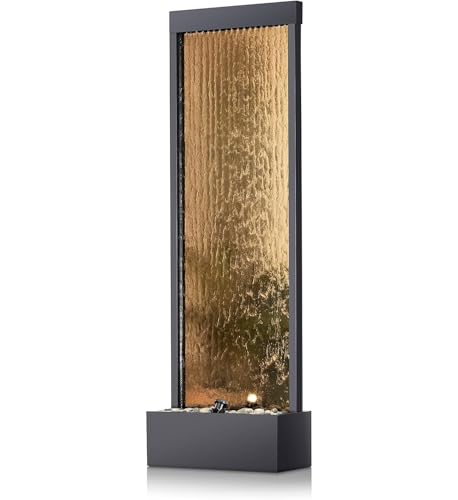
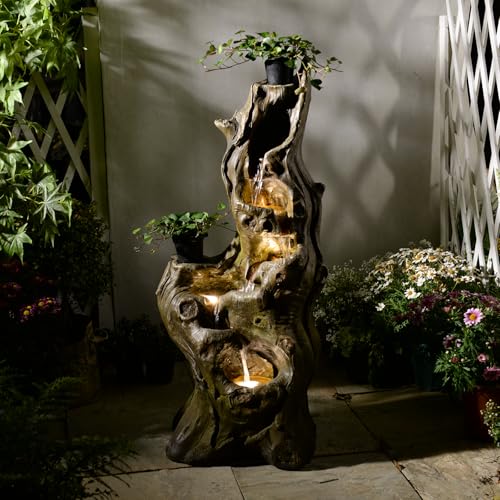
From compact tabletop designs to grand tiered statements, fountains suit every garden size. Wall-mounted and freestanding styles are available, with materials ranging from cast stone to stainless steel and ceramic. These recirculating systems require minimal plumbing and are ideal for patios and courtyards.
Essential TierBackyard Ponds
Ponds create a natural ecosystem that supports aquatic plants, fish, and local wildlife. Options range from small preformed basins to large lined excavations with biological filtration. Proper aeration and water circulation are essential for long-term clarity and health.
Balanced TierWaterfall Features
Waterfalls add movement, sound, and visual drama. They can be integrated into existing slopes, built as standalone rock formations, or designed as sleek modern sheer-descent walls. Many combine waterfall and pond elements into a single cohesive design.
Premium TierContainer Water Gardens
Perfect for patios, balconies, and small spaces, container water gardens use sealed pots or half-barrels to grow aquatic plants like water lilies and dwarf papyrus. These are the most accessible entry point and require no excavation or permanent installation.
Essential TierStreams and Cascades
Meandering streams and cascading water channels guide the eye through a landscape and connect different garden zones. These features use recirculating pumps and can be designed as naturalistic rock-lined channels or contemporary geometric rills.
Premium TierReflecting Pools
Shallow, still-water pools mirror the sky and surrounding architecture, creating a sense of tranquility and spaciousness. Often used in formal or contemporary landscape designs, they can be integrated with decking, stone paving, or planted borders.
Luxury TierComparing Water Feature Options at a Glance
| Feature Type | Best For | Space Requirement | Maintenance Level | Market Tier |
|---|---|---|---|---|
| Container Water Garden | Balconies, small patios, beginners | Minimal | Low | Essential Tier |
| Garden Fountain | Courtyards, front entries, focal points | Small to moderate | Low to moderate | Essential to Balanced Tier |
| Backyard Pond | Wildlife habitats, aquatic plants, fish keeping | Moderate to large | Moderate to high | Balanced Tier |
| Waterfall Feature | Sloped gardens, dramatic focal points | Moderate to large | Moderate | Premium Tier |
| Stream and Cascade | Connecting garden zones, naturalistic designs | Moderate to large | Moderate | Premium Tier |
| Reflecting Pool | Formal landscapes, architectural integration | Large | Low | Luxury Tier |
Key Considerations Before You Install
-
Power Access
Most pumps require a GFCI-protected outdoor outlet. Solar options exist for fountains and small pumps, but ponds with filtration typically need reliable electrical service. Plan the power route before breaking ground.
-
Water Source
Filling and topping off a feature requires a nearby hose bib or irrigation line. Evaporation rates vary by climate, so consider how you'll replenish water during dry spells.
-
Drainage and Overflow
Heavy rain can cause ponds and streams to overflow. Design an overflow route or French drain to direct excess water away from foundations and neighboring properties.
-
Maintenance Commitment
All water features need seasonal care—pump cleaning, algae management, winterization, and water quality checks. Choose a scale you can realistically maintain throughout the year.
-
Safety and Accessibility
If young children or pets share the space, consider shallow designs, secure covers, or fountains without standing water. Non-slip surfaces around the feature are essential.
-
Local Regulations
Some municipalities require permits for ponds above a certain depth or for electrical work. Check with your local building department before starting installation.
Design and Placement Tips for Maximum Impact
Placement determines how a water feature integrates with your landscape and how much enjoyment it delivers. Consider viewing angles from key indoor windows—a fountain visible from your kitchen or living room extends its calming effect well beyond outdoor hours. In terms of outdoor and garden design, water features work best when they feel intentional rather than added as an afterthought.
Sound is another critical design element. A gentle trickle suits meditation gardens and small courtyards, while a bold cascade creates a lively gathering point. The retaining walls on sloped properties can be adapted to incorporate waterfall features, turning a structural necessity into a visual asset. For pathways leading to your water feature, consider walkways and paths that guide visitors naturally toward the focal point.
Pro Tip: Work With Your Site, Not Against It
Observe how water naturally moves across your property during rain. A low spot that collects water may be the perfect location for a pond or rain garden feature. A slope can become a cascading stream. Aligning your feature with the existing topography reduces excavation effort and creates a more organic, believable result.
Installation Approaches: DIY vs. Professional
Container water gardens and small fountains are genuinely DIY-friendly—no digging, no wiring, and no specialized tools required. Mid-sized ponds and waterfalls often fall into a middle ground: homeowners with basic tool knowledge can handle the excavation and liner installation, while an electrician handles the power supply. Large reflecting pools, complex streams, and integrated landscape designs are best entrusted to landscape contractors with water feature experience.
If your project involves substantial site work or structural changes, explore professional remodeling and construction services or consult remodeling contractors who specialize in outdoor living spaces. For projects that are part of a broader renovation, renovation services near you can help coordinate the water feature with other landscape and hardscape work.
Seasonal Maintenance Essentials
Regular maintenance keeps water features clear, functional, and attractive. Pumps should be inspected monthly during active seasons and cleaned of debris. Biological filtration in ponds requires periodic media rinsing—but avoid over-cleaning, as beneficial bacteria colonies need time to re-establish. In colder climates, winterizing involves draining above-ground lines, removing pumps, and preventing ice damage to stone and liner materials.
Aquatic plants should be divided and pruned seasonally to prevent overcrowding and maintain water quality. Algae blooms are typically a sign of excess nutrients or insufficient circulation—addressing the root cause is more effective than repeated chemical treatments. If your water feature is part of a larger garden overhaul, resources on renovating your house and home renovations can help you plan the project holistically.
Frequently Asked Questions About Water Features
What is the easiest water feature to install for a beginner?
A self-contained fountain or a small container water garden is the most beginner-friendly option. These require no digging, no plumbing connections, and can be set up in a single afternoon. Simply place the unit, fill it with water, and plug it in or add aquatic plants.
Do water features require constant maintenance?
Maintenance depends on the type and size. Small fountains need weekly water top-offs and monthly pump cleaning. Ponds require seasonal cleaning, filtration checks, and algae management. Larger ecosystems with proper biological balance often need less frequent intervention once established.
Can water features increase property value?
Yes, a well-designed and properly maintained water feature can enhance curb appeal and create a desirable outdoor living space. Real estate professionals often note that landscaped gardens with water elements contribute to buyer interest, though the return varies by market and installation quality.
What power source do outdoor water features need?
Most fountains and pumps run on standard household electricity via outdoor-rated GFCI outlets. Solar-powered options are available for fountains and small pumps, eliminating the need for wiring. Larger ponds with filtration systems typically require a dedicated outdoor circuit.
How do I prevent mosquitoes in a garden pond?
Moving water discourages mosquito breeding. Add a fountain, aerator, or small pump to keep water circulating. Introduce mosquito-eating fish like goldfish or mosquito fish, and use BTI (Bacillus thuringiensis israelensis) dunks for natural larval control.
Ready to Add a Water Feature to Your Home?
Whether you're planning a simple fountain or a complete garden transformation, the right tools and guidance make all the difference. Browse our recommended water feature products below and take the first step toward your peaceful retreat.
View Recommended Products