Vegetable Gardening: Grow Fresh, Healthy Food at Home
Expert guides on soil preparation, planting, pest management, and harvesting—whether you're a beginner or a seasoned gardener.
Start Your Garden TodayVegetable gardening is one of the most rewarding home improvement projects. Not only does it provide fresh, organic produce, but it also reduces grocery bills and promotes a healthier lifestyle. Whether you have a large backyard or a small balcony, growing your own vegetables is achievable with the right knowledge and tools.
1. Getting Started with Vegetable Gardening
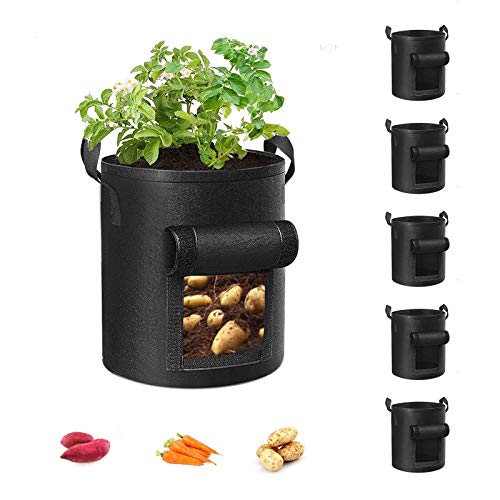
Starting a vegetable garden begins with choosing the right location. Most vegetables need at least 6–8 hours of direct sunlight daily. Assess your space: a sunny patch in your yard, a raised bed, or even container gardening on a patio can work well. For beginners, we recommend starting small—a 4x4 foot raised bed or a few large pots—to build confidence.
Next, decide what to grow. Easy vegetables for beginners include tomatoes, lettuce, radishes, carrots, and zucchini. Check your local climate and planting calendar to ensure success. If you're unsure about soil quality, consider using a soil testing kit to understand pH and nutrient levels.
2. Soil Preparation & Planting Techniques
🌿 Soil Preparation
- Test your soil: Use a home test kit to check pH (ideal: 6.0–7.0).
- Amend with organic matter: Compost, aged manure, or leaf mold improve texture and fertility.
- Loosen the soil: Dig or till to at least 10–12 inches deep to allow roots to spread.
- Mulch: Apply a 2–3 inch layer of straw or shredded leaves to retain moisture and suppress weeds.
Learn more about soil health and amendments for optimal growth.
🧅 Planting Techniques
- Direct sowing: Plant seeds directly in the ground for root vegetables like carrots and beets.
- Transplanting: Start seeds indoors 6–8 weeks before last frost, then move outdoors.
- Spacing: Follow seed packet instructions to avoid overcrowding.
- Companion planting: Plant basil near tomatoes, or marigolds near cucumbers to deter pests.
Explore our raised bed plans for easy garden organization.
3. Watering, Fertilizing & Pest Control
Consistent watering is critical. Most vegetables need about 1 inch of water per week, either from rainfall or irrigation. Drip irrigation systems or soaker hoses deliver water directly to the roots, reducing evaporation and fungal diseases. Water early in the morning to allow foliage to dry during the day.
Fertilize your garden with balanced organic fertilizers (e.g., 5-5-5) every 3–4 weeks. Compost tea or fish emulsion are excellent natural options. For pest management, practice integrated pest management (IPM): encourage beneficial insects like ladybugs, use neem oil for soft-bodied pests, and rotate crops annually to prevent soil-borne diseases.
🐞 Natural Pest Control: Attract birds, planting a diverse garden, and using physical barriers like row covers can dramatically reduce pest damage without chemicals.
4. Harvesting & Storage Tips
Harvesting at the right time ensures the best flavor and nutrition. Leafy greens can be picked when young (cut-and-come-again). Tomatoes should be fully colored, and root vegetables are ready when their tops start to push out of the soil. Use sharp shears or a knife to avoid damaging the plant.
Store vegetables properly: tomatoes at room temperature, potatoes and onions in a cool dark place, and leafy greens in the refrigerator. For long-term storage, consider canning, freezing, or building a root cellar. Our garden tool reviews include the best harvesters, pruners, and storage containers for your produce.
5. Seasonal Gardening Calendar
Spring: Start cool-weather crops like peas, spinach, and lettuce. Prepare beds and harden off transplants.
Summer: Plant warm-weather vegetables (tomatoes, peppers, squash). Maintain watering and mulch heavily.
Fall: Sow quick-growing crops like radishes and kale. Plant garlic and onions for overwintering.
Winter: Plan next year's garden, order seeds, and maintain tools. Consider greenhouse growing for year-round harvests.
Adapt these dates to your local frost dates. Use our seasonal maintenance guide to keep your garden and tools in top shape.
6. Advanced Techniques for Higher Yields
🌱 Succession Planting
Plant small batches of fast-growing crops every 2–3 weeks to ensure a continuous harvest. For example, sow lettuce and radishes in succession from spring to fall.
🌿 Vertical Gardening
Use trellises, cages, or stakes to grow climbing vegetables like cucumbers, pole beans, and tomatoes. This saves space and improves air circulation.
🧪 Soil Solarization
In hot climates, cover moist soil with clear plastic for 4–6 weeks to kill weeds, nematodes, and soil-borne pathogens before planting.
🌾 Cover Crops
Plant winter rye, clover, or vetch in the off-season to add nitrogen, prevent erosion, and improve soil structure for the next growing season.
7. Avoid These Common Gardening Mistakes
- Overwatering: Leads to root rot. Water deeply but less frequently.
- Poor soil preparation: Always amend with compost and test pH.
- Planting too close: Crowded plants compete for nutrients and light.
- Ignoring pests: Inspect regularly and act early with organic solutions.
- Not rotating crops: Rotate plant families each year to prevent disease buildup.
8. Your Vegetable Garden Action Plan
- Choose a sunny spot with good drainage.
- Test and amend soil with organic matter.
- Select easy vegetables (tomatoes, lettuce, radishes, zucchini).
- Plan your garden layout (raised beds, containers, or in-ground).
- Install irrigation (drip system or soaker hoses).
- Plant at the right time based on your region's frost dates.
- Mulch, water, and fertilize consistently.
- Monitor pests and use organic controls when needed.
- Harvest at peak ripeness and enjoy your fresh produce!
🌻 Why Start Vegetable Gardening?
- Health Benefits: Fresh, organic vegetables free from pesticides.
- Cost Savings: Reduce grocery bills by growing your own food.
- Environmental Impact: Lower your carbon footprint and support biodiversity.
- Mental Well-being: Gardening reduces stress and promotes mindfulness.
- Family Activity: Great way to teach children about nature and nutrition.
Ready to dig in? Check our essential garden tools and raised bed plans to get started.