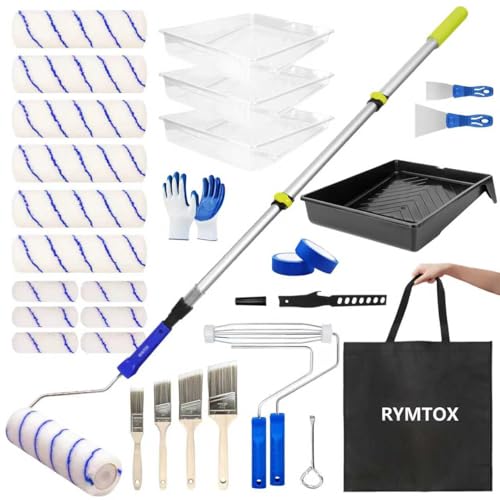
Paint Rollers: The Complete Guide to Choosing & Using the Right Roller
Discover everything you need to know about paint rollers — from nap sizes and materials to pro tips for achieving smooth, professional-looking results on walls, ceilings, and furniture.
Why this guide matters: Choosing the right paint roller can make the difference between a frustrating DIY experience and a flawless finish. Whether you're painting a living room wall, a textured ceiling, or a piece of furniture, understanding roller types, materials, and nap sizes ensures better results, less wasted paint, and a more enjoyable project.
What is a Paint Roller?
A paint roller is a painting tool that consists of a cylindrical roller frame and a replaceable roller cover (also called a sleeve). The cover is made from various materials like synthetic fibers, natural fibers, or foam, and is designed to hold and transfer paint onto surfaces. Rollers are faster and more efficient than paint brushes for covering large, flat areas such as walls, ceilings, and floors.
When paired with the right drop cloths and painter's tape, rollers help you achieve a clean, even coat with minimal effort. The key to success is selecting the correct roller cover for your specific project.
Roller Nap Sizes Explained
The "nap" refers to the length of the fibers on the roller cover. The nap size determines how much paint the roller holds and the texture it leaves on the surface. Choosing the wrong nap can result in drips, uneven coverage, or a stippled finish.
Quick Reference: Roller Nap Size Guide
| Nap Length | Best For | Surface Type | Paint Type |
|---|---|---|---|
| 1/4 inch (6 mm) | Smooth surfaces, cabinets, doors | Plaster, drywall, metal | Gloss, semi-gloss, enamel |
| 3/8 inch (9 mm) | Semi-smooth walls, ceilings | Drywall, plaster, wood | Eggshell, satin, flat |
| 1/2 inch (12 mm) | Textured walls, light stucco | Textured drywall, brick | Flat, matte, primer |
| 3/4 inch (19 mm) | Heavy texture, rough surfaces | Stucco, concrete, popcorn ceilings | Flat, primer, masonry paint |
| 1 inch (25 mm) or more | Extremely rough surfaces | Exterior stucco, brick, stone | Exterior paint, elastomeric paint |
Tip: For most interior walls, a 3/8-inch or 1/2-inch nap provides the best balance of coverage and finish quality.
Roller Materials & When to Use Them
The material of the roller cover affects paint pickup, release, and the final texture. Here's what you need to know about the most common types:
🧵 Synthetic Fiber (Polyester, Nylon)
Best for water-based paints (latex, acrylic). These covers are durable, easy to clean, and provide excellent paint release. They work well with smooth to semi-smooth surfaces and are the most common choice for DIY projects.
🐑 Natural Fiber (Mohair, Sheepskin)
Ideal for oil-based paints, varnishes, and enamels. Natural fibers hold more paint and provide a smooth, lint-free finish. However, they are more expensive and require careful cleaning with solvents.
🧽 Foam
Perfect for smooth surfaces like cabinets, doors, and trim. Foam rollers produce a very smooth, glass-like finish with no stippling. They're best for water-based paints and are disposable or single-use due to difficulty cleaning.
🧶 Knit vs. Woven
Knit covers are more durable and hold more paint, making them ideal for large areas. Woven covers release paint more evenly and are better for finer finishes. Choose knit for walls and woven for detail work.
Roller Frames & Handles
A quality roller frame is just as important as the cover. Look for these features:
- Threaded frame: Allows you to attach extension poles for ceilings or high walls. This is essential for home improvement projects involving tall spaces.
- Comfort grip handle: Reduces hand fatigue during long painting sessions.
- Metal or heavy-duty plastic construction: Ensures the frame doesn't bend under pressure.
- Quick-change design: Makes it easy to swap covers for different paint colors or types.
How to Choose the Right Paint Roller
Follow these steps to select the perfect roller for your project:
- Identify your surface: Is it smooth, textured, rough, or porous? This determines the nap size and material you need.
- Choose your paint type: Water-based paints work best with synthetic rollers. Oil-based paints require natural fibers.
- Consider the project size: Use a 9-inch roller for walls and a 7-inch or 4-inch roller for smaller areas like trim or furniture.
- Think about the finish: For a smooth finish, use a shorter nap or foam. For a textured or stippled finish, use a longer nap.
- Don't forget the accessories: You'll need a drop cloth, paint tray, liner, and possibly an extension pole.
If you're unsure, many professionals recommend a 3/8-inch synthetic roller for general interior wall painting — it's a versatile choice that works well with most latex paints and drywall surfaces.
Pro Tips for Roller Painting
Getting a professional-looking finish with a paint roller takes more than just choosing the right tool. Follow these expert tips:
- Pre-wet your roller: For water-based paints, dampen the cover with water and squeeze out excess. This helps the paint absorb evenly.
- Load the roller properly: Don't drown the roller. Dip it about halfway, then roll it back and forth on the tray's ramp to distribute paint evenly.
- Use the "W" technique: Start by painting a large "W" shape on the wall, then fill it in with parallel strokes for even coverage.
- Maintain a wet edge: Paint in sections and overlap strokes to avoid lap marks. Work quickly and continuously.
- Apply pressure evenly: Don't press too hard — let the roller do the work. Uneven pressure creates uneven texture.
- Use the right extension pole: For ceilings, use a pole that allows you to maintain a comfortable arm position.
- Clean immediately after use: Remove the cover and clean it thoroughly with warm soapy water (for latex paints) or solvent (for oil-based paints).
- Invest in quality: Cheap rollers shed fibers and produce inferior results. Spend a little more for a quality cover and frame.
Common Mistakes to Avoid
- Using the wrong nap size: This is the #1 mistake. Always match the nap to your surface texture.
- Overloading the roller: Too much paint causes drips and runs. Use the tray to remove excess paint.
- Not stirring the paint properly: Always stir paint thoroughly before pouring into the tray to ensure consistent color and consistency.
- Painting in poor lighting: Good lighting helps you see missed spots and uneven coverage.
- Forgetting to tape and cover: Protect your floors and furniture with drop cloths and painter's tape. For baseboards and trim, consider using a scraper to remove old paint drips.
- Reusing poor-quality rollers: If a cover starts shedding, stop using it immediately. Shedding ruins your finish.
Roller vs. Sprayer vs. Brush: Which Tool Should You Use?
Each tool has its place in a home painter's arsenal. Here's a quick comparison to help you decide:
🖌️ Paint Roller
Best for walls, ceilings, and large flat surfaces. Fast, efficient, and provides good texture control.
🎨 Paint Brush
Best for trim, corners, edges, and detail work. Provides precision and control for intricate areas.
Learn more: guide to paint brushes
💨 Paint Sprayer
Best for large projects, exterior surfaces, and furniture. Fastest but requires more preparation and skill.
Learn more: guide to paint sprayers
When to Replace Your Roller Cover
A worn-out roller cover can ruin your paint job. Replace your cover when you notice:
- Fiber shedding: If you see fibers in your paint or on the wall, it's time for a new cover.
- Flat spots: Over time, the nap can become matted or compressed, reducing paint pickup.
- Hardened paint: If you can't remove all the paint after cleaning, the cover is no longer usable.
- Uneven paint release: If the roller skips or leaves bare patches, the cover has lost its elasticity.
For the best results, many professionals recommend starting each major project with a new roller cover. The cost is minimal compared to the time and frustration of fixing a poor paint job.
Frequently Asked Questions
What's the best roller for a beginner?
A 9-inch, 3/8-inch synthetic roller is the most beginner-friendly choice. It works on most smooth to semi-smooth surfaces and is compatible with water-based paints.
Can I use the same roller for oil-based and water-based paint?
Technically yes, but it's not recommended. Oil-based paints require natural fiber rollers, while water-based paints work best with synthetic. Mixing them can lead to poor results and difficult cleanup.
How do I clean a paint roller?
For water-based paints, rinse the cover with warm water until it runs clear, then use a roller spinner or squeeze out excess water. For oil-based paints, use mineral spirits or paint thinner, then wash with soapy water.
How long does a paint roller last?
With proper cleaning and storage, a quality roller cover can last through several small projects. However, for best results, plan to replace it after every major painting job.
Summary: Your Paint Roller Checklist
Before you start painting, make sure you have:
- ✔ Correct nap size for your surface
- ✔ Roller material matched to paint type
- ✔ Sturdy roller frame with comfort grip
- ✔ Paint tray and liner
- ✔ Extension pole for ceilings/high walls
- ✔ Drop cloths and painter's tape
With the right tools and techniques, you'll achieve professional-quality results that make your home look fresh and beautifully painted.