
Tool Storage Ideas: Smart Workshop Organization Solutions
Transform your cluttered workspace into an efficient, well-ordered workshop. Explore proven storage systems, space-saving racks, and organization strategies that keep every tool within reach and ready for the next project.
Why tool storage deserves your attention: A disorganized workshop wastes time, invites injuries, and shortens the lifespan of your equipment. When every screwdriver, wrench, and power tool has a dedicated home, you spend less time searching and more time building. This guide walks through practical storage ideas for workshops of every size, from compact apartment corners to full-scale garages.
Whether you are outfitting a first workshop or rethinking a seasoned space, the solutions below are organized by category so you can mix and match systems that fit your workflow.
Start by Understanding Your Storage Needs
Before installing a single hook or shelf, take stock of what you actually own and how often you use it. A short inventory audit prevents overbuying storage and helps you design a layout that matches real habits.
- Count and categorize: Group tools into hand tools, power tools, measuring instruments, fasteners, and safety gear. Note approximate quantities so shelves and drawers are sized appropriately.
- Identify frequency of use: Daily-use tools belong at eye level and within arm's reach. Seasonal or specialized tools can live higher up or in enclosed cabinets.
- Measure your space: Record wall lengths, ceiling height, and floor area. Vertical space is often the most underused resource in a workshop.
- Consider environment: Garages and sheds face humidity and temperature swings. Enclosed storage protects precision instruments and battery-powered equipment from moisture and dust.
If you are still building out your core tool collection, a solid foundation starts with understanding the essentials covered in our tool basics guide. Once you know what you own, storage planning becomes far more straightforward.
Wall-Based Storage Systems
Walls are prime real estate in any workshop. Wall-mounted systems free up floor space and keep tools visible and accessible. The three most effective approaches are pegboards, slatwalls, and magnetic strips.
Pegboards: The Classic Workshop Staple
Pegboards remain one of the most flexible storage solutions because they adapt to changing tool collections. Mount a large panel at eye level and use a mix of hooks, bins, and shelves to hold screwdrivers, pliers, hammers, and small wrenches. Group tools by function so related items sit together.
Best for: Hand tools, small power tools, and frequently used accessories. Choose a thicker pegboard panel for heavier items and anchor it firmly into wall studs.
Slatwalls: Premium Flexibility
Slatwall systems use horizontal grooves that accept interchangeable brackets, shelves, and baskets. They offer a cleaner look than traditional pegboards and support heavier loads when properly installed. Many professional workshops use slatwalls for power tool docking stations and charging areas.
Best for: Power tools, battery chargers, and heavier hand tools. A mid-tier slatwall system balances durability and adaptability for most home workshops.
Magnetic Strips: Quick-Access Convenience
Magnetic tool strips hold wrenches, screwdrivers, and small metal tools securely while keeping them immediately visible. Mount a strip near your primary workbench so the most-used items are always within reach.
Best for: Wrenches, screwdrivers, files, and small metal accessories. Avoid magnetic strips near sensitive electronics or battery-powered devices.
Cabinets and Drawer Systems
Enclosed storage protects tools from dust, moisture, and accidental damage. Cabinets and drawer systems are ideal for precision instruments, power tools, and items you want out of sight.
- Rolling tool chests: A mobile chest with deep drawers keeps frequently used tools organized and lets you bring the tools to the work area. Look for ball-bearing drawer slides and a locking mechanism for security.
- Wall-mounted cabinets: Upper cabinets use vertical space efficiently and keep infrequently used tools protected. Glass-front cabinets work well for display-worthy collections but are less practical in dusty environments.
- Modular drawer units: Interlocking drawer systems let you build custom storage that grows with your collection. Dividers and foam inserts keep small parts and precision tools from shifting.
- Base cabinets with worktops: Combining storage with a work surface maximizes a small workshop. A sturdy base cabinet with a butcher-block top doubles as a secondary assembly station.
A mid-range tool cabinet with quality drawer slides will outlast entry-level units and usually offers better protection for precision instruments. If you are comparing options, focus on drawer capacity, slide quality, and lock reliability rather than cosmetic features.
Mobile and Rolling Storage Solutions
Rolling storage brings tools directly to the job site, whether that is across the garage or in another room. Mobile solutions are especially valuable in shared or multi-purpose spaces where the workshop must be packed away between projects.
- Rolling tool carts: A multi-tier cart with locking casters holds tools, parts, and supplies on one movable platform. Choose a cart with a sturdy frame and swivel casters rated for the load you plan to carry.
- Stackable tool boxes: Modular stacking systems let you separate tools by category and carry only what you need. Many systems include wheels on the base unit for easy transport.
- Foldable workbenches with storage: Some workbenches integrate drawers and shelves and fold away when not in use. These are ideal for garages that also serve as parking spaces.
For more ideas on maximizing limited floor area, explore our tool storage solutions collection, which covers compact and expandable systems for tight spaces.
Dedicated Power Tool Storage
Power tools are bulky, heavy, and often accompanied by chargers, batteries, and accessories. A dedicated storage zone prevents tangles, protects batteries from damage, and keeps everything charged and ready.
- Charging stations: A wall-mounted charging station consolidates chargers and keeps batteries organized. Route cords through cable clips to prevent clutter and tripping hazards.
- Shelf dividers: Deep shelves with vertical dividers keep circular saws, drills, and sanders upright and separated. Label each bay so tools return to the same spot.
- Hanging racks: Heavy-duty wall racks hold drills and impact drivers by their handles, freeing shelf space for larger equipment.
- Battery storage cases: Store batteries in a cool, dry location away from direct sunlight. A dedicated case with individual slots prevents terminal contact and makes inventory easy.
If you are expanding your power tool collection, our guide to routers and other workshop equipment can help you plan storage around future purchases.
Small Parts and Fastener Organization
Fasteners, bits, blades, and small hardware are the easiest items to lose and the hardest to keep tidy. A structured small-parts system saves time on every project.
- Clear compartment bins: Transparent bins let you see contents at a glance. Stack them on shelves or mount them on a rail system for easy access.
- Drawer organizers: Divided inserts keep screws, nails, and anchors separated by size and type. Label each compartment clearly.
- Parts cabinets: A multi-drawer parts cabinet provides dedicated space for every fastener category. This is especially useful if you frequently work with varied hardware.
- Magnetic trays: Small magnetic trays hold screws and bits during assembly and keep them from rolling off the workbench.
Pair your small-parts storage with a reliable supply of screws and nails so you always have the right fastener on hand.
DIY Tool Storage Projects
Building your own storage lets you tailor dimensions to your exact tools and space. These projects range from beginner-friendly to intermediate and can be completed with basic workshop tools.
Wall-Mounted Tool Rack
A simple rack made from plywood and dowels holds screwdrivers, pliers, and small hand tools. Cut a back panel to size, attach dowel pegs at staggered heights, and mount the panel to wall studs. This project is ideal for beginners and can be completed in an afternoon.
Rolling Tool Cart
A custom cart with shelves and locking casters provides mobile storage for a growing tool collection. Use plywood for the frame and shelves, reinforce the corners with metal brackets, and finish with a durable coating. Add hooks on the sides for cords and hanging tools.
Overhead Garage Storage Rack
Ceiling-mounted racks use unused overhead space for seasonal tools, lumber, and bulky items. Anchor heavy-duty brackets into ceiling joists and use cross-beams to support the load. This project requires careful weight planning and is best suited to intermediate DIYers.
If you enjoy building custom solutions, our woodworking projects section has plans and techniques that apply directly to workshop storage builds.
Comparing Tool Storage Systems
The table below summarizes the main storage approaches by their tier, best use case, and key considerations. Use it to match systems to your workshop layout and tool collection.
| Storage System | Tier | Best For | Key Consideration |
|---|---|---|---|
| Pegboard | Essential tier | Hand tools and small accessories | Requires firm wall anchoring for heavier items |
| Slatwall | Mid-tier | Power tools and charging stations | Higher initial setup, greater long-term flexibility |
| Magnetic strips | Starter tier | Wrenches and frequently used metal tools | Keep away from sensitive electronics |
| Rolling tool chest | Mid-range | Complete tool collections and mobile work | Check drawer slide quality and locking mechanism |
| Wall-mounted cabinet | Premium | Precision instruments and infrequent tools | Protects against dust and moisture |
| Clear compartment bins | Essential tier | Fasteners and small hardware | Label clearly for quick identification |
| Overhead ceiling rack | High-end tier | Seasonal tools and bulky items | Requires joist anchoring and weight planning |
Most well-organized workshops combine at least two systems: a wall-based approach for daily-use tools and enclosed storage for everything else. Start with one system that addresses your biggest pain point, then expand as your needs evolve.
Keeping Your Tool Storage Organized Long-Term
Storage systems only work when they are maintained. A few simple habits keep a workshop functional for years.
- One home for every tool: Every item should have a labeled location. Returning tools after each use prevents piles from forming on the workbench.
- Quarterly review: Set a reminder to review your storage every few months. Remove duplicates, relocate rarely used items, and adjust systems that are not working.
- One-in-one-out rule: When you acquire a new tool, remove or relocate an unused one. This keeps storage capacity aligned with your actual collection.
- Quick cleanups: Spend five minutes at the end of each project returning tools and clearing surfaces. Small habits prevent major reorganization sessions.
Consistent organization also supports safety. A tidy workspace reduces tripping hazards, keeps sharp tools secured, and makes it easier to spot damaged equipment before it causes problems. For more safety guidance, see our safety first guide.
Recommended Tool Storage Solutions
⚠️ AFFILIATE DISCLOSURE: This website contains affiliate links. As an Amazon Associate, we earn from qualifying purchases. If you make a purchase through these links, we may receive a small commission at no additional cost to you. Read our full affiliate policy.

Veitorld 4-Layer Power Tool Organizer Wall Mount with Charging Station | 8 Cordless Drill Holders, 450lb Load Capacity, 4-Outlet Power Strip, Large Heavy-Duty Tool Storage Rack for Garage Workshop
Check price on Amazon
POKIPO Large Power Tool Organizer Wall Mount with Charging Station,4 Layer Heavy Duty Metal Tool Storage Rack Loads 600lbs with 8 Cordless Drill Holder,Battery Utility Rack Loads with 4 Power Strip
Check price on Amazon
JUNNUJ Power Tool Organizer Cart with Charging Station, 6 FT Cord, Red | Floor Standing, Large Garage Rolling Storage Cart on Wheels, Heavy Duty Drill Battery Storage Rack, with 8 Outlet Power Strip
Check price on Amazon
CCCEI Wall Mount Modular Tool Charging Organizer, Red, 1 Pack, 3 Tier. | Drill Battery Storage Rack with Hooks, Garage Workshop, Gifts for Men, Dad, Husband Anniversary, Birthday, Christmas
Check price on Amazon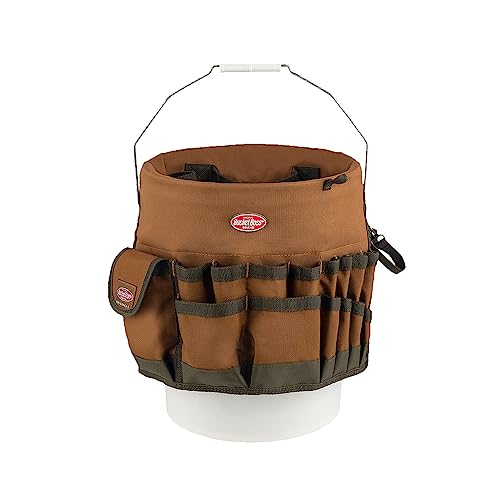
Bucket Boss The Bucketeer Bucket Tool Organizer in Brown, 10030
Check price on Amazon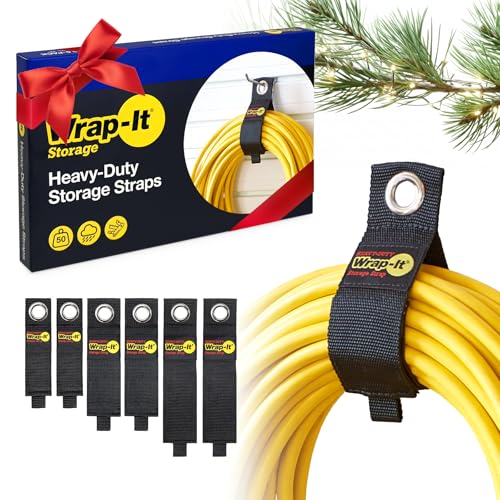
Heavy-Duty Wrap-It Storage Straps - Assorted 6-Pack - Great Gift for Dad | Stocking Stuffer for Dad Garage Storage Extension Cord Organizer and Storage for Hose Organizer, Tools, RV Accessories
Check price on Amazon
Veitorld 3-Layer Power Tool Organizer Wall Mount with Charging Station | 4 Drill Holders 4-Outlet Power Strip, Christmas Anniversary Birthday Gifts for Men Dad, Tool Storage Rack for Garage Workshop
Check price on Amazon
Garden Tool Organizer, Garage Tool Organizer & Garage Organization, Heavy Duty Steel Tool Storage Rack Holds 35 Rakes, Brooms Tools, Broom Holder and Mop Holder, Shed Organizer for Home Organization
Check price on AmazonFrequently Asked Questions
What is the best way to store hand tools in a small workshop?
For small workshops, vertical storage such as pegboards, magnetic strips, and wall-mounted rails maximizes usable space. Group tools by frequency of use, keeping the most-used items at eye level and within easy reach. Foldable or rolling tool cabinets also help reclaim floor space when projects are finished.
Should I use a pegboard or a tool cabinet for my garage?
Pegboards are excellent for quick-access tools like screwdrivers, pliers, and small wrenches, while tool cabinets offer enclosed protection against dust and moisture for precision instruments and power tools. Many well-organized workshops combine both systems, using pegboards for frequently used items and cabinets for long-term storage.
How do I organize power tools so they stay accessible?
Dedicate a shelf or cabinet with dividers to each power tool and store its charger and batteries alongside it. Wall-mounted power tool racks, battery charging stations, and rolling tool chests with deep drawers are all effective approaches. Label each storage zone so every tool has a consistent home.
What materials work best for DIY tool storage projects?
Plywood, MDF, and solid pine are the most common materials for DIY tool storage because they are easy to cut, join, and finish. For heavy-duty racks that hold power tools, use thicker plywood or hardwood reinforced with metal brackets. A weather-resistant coating helps storage last longer in garages and sheds.
How can I keep my tool storage area from becoming cluttered again?
Adopt a one-in-one-out rule, return every tool to its labeled location after each project, and schedule a quarterly review to remove duplicates or unused items. Clear bins and open shelving make it easy to see what you own, which naturally discourages clutter from accumulating.
Final Thoughts
Effective tool storage is not about buying the most elaborate system. It is about matching storage to your actual tools, workspace, and habits. Start with a clear inventory, choose one or two systems that address your biggest pain points, and build from there.
Whether you install a pegboard this weekend or plan a full garage overhaul, the goal remains the same: a workspace where every tool is visible, protected, and ready when you need it. A well-organized workshop pays back the effort on every project you tackle.