Floor Repair Guide: Restore & Protect Your Floors
From scratches and water damage to loose tiles and creaky boards—learn proven repair techniques that save money and extend the life of your floors.
START YOUR REPAIR PROJECTWhy Floor Repair Matters: Damaged floors reduce home value, create safety hazards, and cost thousands to replace. With the right knowledge and tools, most floor repairs are DIY-friendly. This guide covers hardwood, laminate, tile, and vinyl – so you can fix any floor type with confidence.
Common Floor Problems & DIY Fixes
Hardwood Floor Repair
Fix scratches, dents, and water stains on solid and engineered hardwood. Learn sanding, refinishing, and spot repair techniques that restore natural beauty.
Laminate Floor Repair
Repair chipped edges, swollen joints, and surface scratches. Laminate is affordable but requires specific techniques to fix without damaging the click-lock system.
Tile & Grout Repair
Replace cracked tiles, regrout, and fix loose tiles. With the right tools, you can match existing grout color and restore your tile floor to like-new condition.
Vinyl & Plank Repair
Fix cuts, gouges, and lifted edges on luxury vinyl plank (LVP) and sheet vinyl. Heat and seam sealers make repairs nearly invisible.
Step-by-Step Floor Repair Process
Assess the Damage
Identify the material (wood, laminate, tile, vinyl) and the type of damage. For water-damaged floors, check for mold remediation needs first. For structural issues, you may need structural repairs before floor repair.
Gather the Right Tools & Materials
For most repairs, you'll need a floor repair kit, adhesive, putty, sandpaper, and finishing products. If you're working with multiple floor types, check our material estimators to calculate exactly what you need.
Repair the Floor
Follow material-specific techniques: hardwood needs sanding and refinishing; laminate uses fillers; tile requires grout removal; vinyl uses heat and seam sealers. Always test in an inconspicuous area first.
Protect & Maintain
After repair, apply appropriate sealers or protectants. Regular cleaning hacks and proper maintenance prevent future damage. For seasonal changes, refer to our seasonal maintenance guide.
DIY vs. Professional Floor Repair
Most floor repairs are DIY-friendly if you have basic tools and patience. However, consider hiring a professional for:
- Extensive water damage that requires subfloor replacement
- Large-area refinishing (over 200 sq ft)
- Asbestos tile removal or lead paint concerns
- Structural issues like uneven joists
Still unsure? Read our DIY vs. Hiring a Pro guide for a detailed cost-benefit analysis. For safety concerns, always consult our home safety checklist before starting any repair.
Floor Repair Cost Guide (2026)
| Floor Type | Common Repair | DIY Cost | Professional Cost |
|---|---|---|---|
| Hardwood | Scratch & dent repair | $80–$250 | $400–$1,200 |
| Laminate | Edge & joint repair | $50–$150 | $300–$800 |
| Tile | Cracked tile & grout | $60–$180 | $350–$900 |
| Vinyl | Cut & gouge repair | $40–$120 | $200–$500 |
*Costs are estimates. For accurate budgeting, use our budget estimating tool.
Essential Floor Repair Tools
Having the right tools makes floor repair faster and more professional. Start with these essentials:
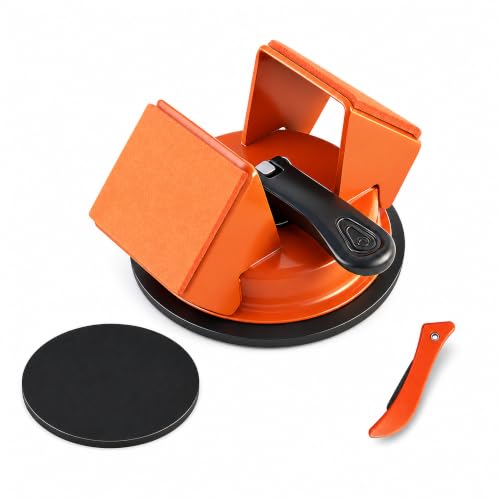
- Floor repair kit – includes filler, putty, and applicators for scratches and dents
- Putty knife & scraper – for applying and smoothing repair compounds
- Sandpaper & sanding block – various grits for hardwood and laminate
- Tile cutter & grout float – for tile removal and grout application
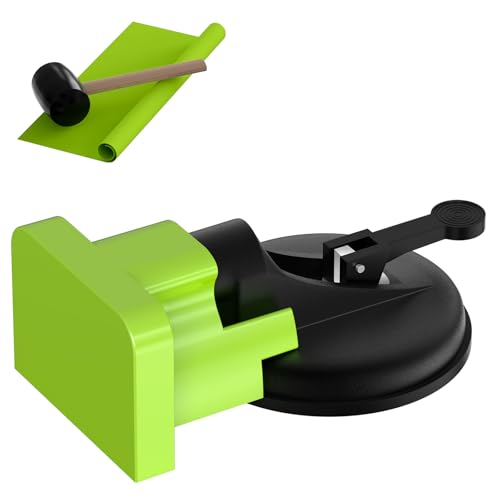
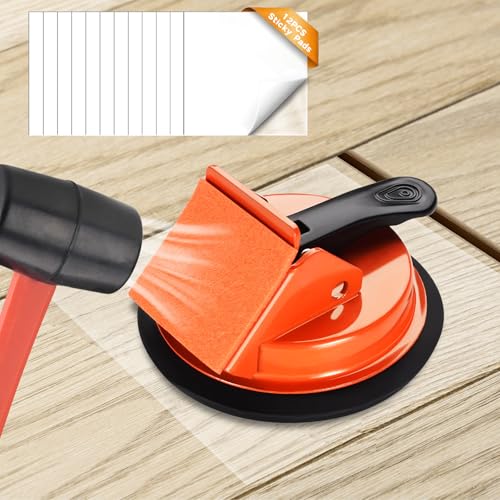
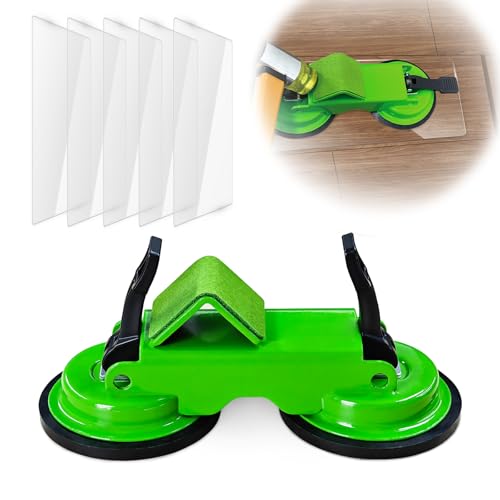
- Heat gun & seam roller – for vinyl and plank repairs
- Safety gear – goggles, gloves, and a respirator for dust and fumes
For a complete list, visit our tool basics guide and safety first page before starting.
Preventive Maintenance for Long-Lasting Floors
Preventing damage is cheaper than repairing it. Follow these tips to keep your floors looking new:
- Use furniture pads – protect against scratches and dents
- Clean with appropriate products – avoid harsh chemicals that damage finishes
- Control humidity – use humidifiers in winter to prevent hardwood from cracking
- Trim pet nails – reduce scratches from pets
- Address spills immediately – water damage is the #1 cause of floor replacement
For more maintenance tips, explore our guides on cleaning hacks, home hacks, and seasonal maintenance.
Floor Repair FAQs
Can I repair water-damaged floors myself?
Yes, if the damage is localized and not structural. Dry the area, replace damaged planks or tiles, and check for mold remediation if moisture persisted. For extensive damage, consult a pro.
How long does floor repair take?
Small repairs (scratches, chips) take 1–2 hours. Larger jobs like refinishing can take 2–4 days including drying time. Plan your project with our home renovation timeline guide.
Is floor repair worth it?
Absolutely. Repairing floors costs 70% less than full replacement. Even professional repairs are a fraction of new flooring costs. Use our budget estimating tool to compare options.