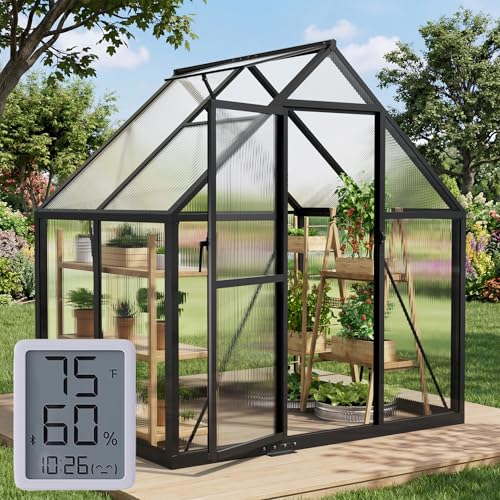
Greenhouses: The Complete Guide to Growing Year-Round
Discover the best greenhouse types, materials, and features for your garden. From small hobby greenhouses to large backyard structures—find everything you need to extend your growing season and protect your plants.
Shop Greenhouses & Kits🌱 Growing season doesn't have to end with summer. A greenhouse gives you control over your garden's climate, protects delicate plants from frost and pests, and lets you start seedlings earlier in the spring. Whether you're a beginner or a seasoned gardener, this guide covers everything you need to choose, build, and maintain the perfect greenhouse for your needs.
Types of Greenhouses for Every Garden
Choosing the right greenhouse starts with understanding the main types available. Your choice will depend on your available space, budget, and the plants you want to grow. Below are the most common styles you'll find on the market today.
| Type | Best For | Key Features | Price Range |
|---|---|---|---|
| Lean-To | Small yards, attached to a house or garage | Compact, easy to heat, shares a wall with your home | $500–$2,500 |
| Freestanding | Medium to large gardens, maximum growing space | Full sun exposure, versatile sizing, classic design | $1,200–$5,000+ |
| A-Frame | Snowy climates, modern aesthetic | Steep roof sheds snow, sturdy construction | $800–$3,000 |
| Dome | Unique style, wind resistance | Energy-efficient, strong structure, panoramic views | $2,000–$6,000 |
| Hoophouse / High Tunnel | Commercial or large-scale growing, budget-friendly | Cost-effective, easy to assemble, covered with plastic film | $800–$2,800 |
For smaller spaces, a lean-to greenhouse is often the most practical choice. It attaches directly to your home, making it easier to run electricity and water. If you have more room, a freestanding greenhouse provides maximum flexibility and sunlight exposure.
Greenhouse Materials: Frame & Glazing Options
The materials you choose will affect durability, maintenance, and temperature control. Here's what you need to know about the most common frame and glazing materials.
Frame Materials
- Aluminum: Lightweight, rust-resistant, low maintenance. The most popular choice for modern greenhouses. Ideal for pergolas and outdoor structures.
- Wood: Classic aesthetic, good insulation, but requires regular sealing and maintenance. Cedar and redwood are naturally rot-resistant.
- Galvanized Steel: Extremely durable and strong. Best for large or commercial greenhouses. Heavier and more expensive than aluminum.
- PVC / Plastic: Budget-friendly and easy to work with, but less durable and can degrade under UV exposure over time.
Glazing (Covering) Options
- Glass: Classic and provides the highest light transmission. Heavy and fragile. Best for permanent structures.
- Polycarbonate (Twin-Wall): Lightweight, durable, and provides excellent insulation. The best all-around choice for home greenhouses. Available in clear or opaque.
- Polyethylene Film: Most affordable option. Used in hoophouses. Needs to be replaced every 3–5 years.
- Fiberglass: Durable and diffuses light well, but can yellow over time. Less common today.
For most home gardeners, a polycarbonate greenhouse with an aluminum frame offers the best balance of durability, insulation, and cost. If you live in a colder climate, twin-wall polycarbonate will help retain heat during winter months.
Ventilation, Heating & Climate Control
Proper climate control is what makes a greenhouse truly productive. Without adequate ventilation, temperatures can soar to dangerous levels in summer. Without heating, your plants will freeze in winter.
🌬️ Natural Ventilation
Roof vents, louver windows, and side openings allow hot air to escape. Automatic vent openers open and close based on temperature.
🌀 Exhaust Fans
For larger greenhouses, exhaust fans combined with intake shutters provide active airflow. Essential for hot climates.
🔥 Heating Systems
Gas, electric, or paraffin heaters keep your greenhouse warm in winter. Choose one that matches your size and budget. Learn more about home heating systems.
💧 Humidity & Misting
Misting systems cool the air and increase humidity for tropical plants. Essential in dry climates or during heatwaves.
For energy-efficient heating, consider adding insulation to your greenhouse's north-facing walls or using thermal mass (like water barrels) to store heat during the day and release it at night. Proper home renovation techniques can also be applied to greenhouse structures.
What to Grow in Your Greenhouse
One of the greatest benefits of a greenhouse is the ability to grow vegetables, herbs, and flowers year-round. Here are some of the best plants to start with:
- Spring: Start tomatoes, peppers, and eggplants from seed. Grow lettuce, spinach, and other cool-weather greens.
- Summer: Grow heat-loving crops like cucumbers, melons, and okra. Use shade cloth to manage heat.
- Fall: Extend the season for peppers, tomatoes, and basil. Plant cool-weather crops for a winter harvest.
- Winter: Grow hardy greens like kale, Swiss chard, and arugula. Start early spring seedlings for a head start.
If you're new to greenhouse gardening, start with vegetable gardening basics and gradually expand your plant collection. A greenhouse also works wonders for container gardening, allowing you to grow pots of herbs and flowers even in limited space.
Installation, Maintenance & Troubleshooting
Installing a greenhouse requires careful planning. Consider these factors before you buy:
- Location: Choose a spot with maximum sunlight (south-facing is ideal) and good drainage. Avoid low areas where cold air settles.
- Foundation: A proper foundation keeps your greenhouse level and stable. Options include concrete slabs, gravel bases, and treated wood frames.
- Permits: Check local building codes. Some areas require permits for structures over a certain size. Read our permit guide for more details.
- Maintenance: Clean glazing regularly to allow maximum light. Check for gaps and seal drafts. Lubricate hinges and moving parts.
Regular seasonal maintenance will keep your greenhouse in top condition. Inspect the frame for rust or rot, replace worn seals, and ensure ventilation systems are working properly.
Greenhouse Budget & Planning Guide
Before purchasing a greenhouse, set a realistic budget that covers not just the structure, but also accessories and ongoing costs. Here's what to consider:
- Greenhouse Kit: $800–$6,000 depending on size and materials.
- Foundation: $200–$1,500 for materials and labor.
- Heating & Ventilation: $150–$800 for fans, heaters, and automatic vent openers.
- Shelving & Benches: $100–$500 for sturdy, weather-resistant shelving.
- Watering System: $50–$300 for drip irrigation or misting systems.
- Ongoing Costs: Heating fuel, electricity, replacement glazing, and plant supplies.
For more detailed cost estimation, check out our budget estimating guide. If you're planning other backyard projects, you might also want to explore outdoor furniture builds and garden lighting ideas to complete your outdoor space.
Greenhouse FAQs
What size greenhouse do I need?
For beginners, a 6x8 foot greenhouse provides enough space for 15–20 plants. For year-round vegetables, consider 8x12 feet or larger. Think about how you plan to use the space.
Do I need a greenhouse base?
Yes. A solid base keeps the greenhouse level, prevents wind damage, and stops pests and water from entering. A concrete slab is most durable, but gravel or paving stones also work well.
Can I build a greenhouse on my own?
Many greenhouse kits come with detailed instructions and are designed for DIY installation. If you're comfortable with basic tools, you can handle it. For more complex projects, consider DIY vs hiring a professional.
How do I keep my greenhouse warm in winter?
Use a space heater, insulate with bubble wrap, and use thermal mass like water barrels. For more insulation, read about types of insulation.
Is a greenhouse worth it for a small garden?
Absolutely. Even a small greenhouse can provide a huge benefit, allowing you to grow fresh herbs, start seedlings, and protect plants from unpredictable weather.