Why AC Maintenance Matters More Than Ever
Your air conditioning system is one of the hardest-working appliances in your home. During peak summer months, it may run for twelve or more hours a day, cycling refrigerant, moving thousands of cubic feet of air, and pulling moisture out of the indoor environment. Without consistent care, that workload slowly degrades efficiency, drives up electricity use, and shortens the lifespan of expensive compressors and blower motors. Regular AC maintenance is not a luxury — it is the single most effective way to protect your investment and keep indoor comfort reliable year after year.
Industry studies consistently show that a well-maintained system consumes noticeably less energy than a neglected one of the same age and model. The difference comes from small things: clean coils that transfer heat efficiently, unrestricted airflow through fresh filters, a clear condensate drain that prevents water damage, and electrical connections that stay tight and cool. Each of these items takes minutes to check but collectively saves hours of downtime and significant operating expense over a cooling season.
This guide walks you through the full maintenance picture — from simple homeowner tasks you can complete in an afternoon to the professional services that require gauges, refrigerant handling certification, and diagnostic training. If you also want to understand how air sealing and ductwork affect cooling performance, our guide on air duct sealing pairs naturally with the maintenance steps below.
Quick Takeaway: A basic DIY tune-up — filter replacement, coil rinse, drain flush, and thermostat check — takes about 45 minutes and prevents the majority of common AC failures. Schedule one professional inspection per year for refrigerant, electrical, and deep-clean work.
The Anatomy of Your AC System
Before diving into maintenance tasks, it helps to understand what you are maintaining. A typical split-system air conditioner has two main halves: the outdoor condensing unit and the indoor air handler or furnace coil. The outdoor unit contains the compressor, condenser coil, and condenser fan. The indoor unit houses the evaporator coil, blower fan, and air filter. Refrigerant travels between the two through insulated copper lines, absorbing heat indoors and releasing it outdoors.
Each component has specific maintenance needs. The condenser coil sheds heat and collects outdoor debris, so it requires regular cleaning. The evaporator coil stays wet during operation and can grow biological film if drainage is poor. The blower fan moves air across the evaporator and into your ductwork, and a dirty blower wheel reduces airflow dramatically. The filter is your first line of defense — it protects the coil and blower from dust, pet hair, and pollen.
When any of these components fall out of balance, the entire system works harder. A clogged filter restricts airflow, causing the evaporator coil to freeze. A dirty condenser coil raises head pressure, forcing the compressor to work beyond design limits. A blocked condensate drain can overflow into ceilings and walls, creating costly water damage. Understanding these relationships makes each maintenance task feel purposeful rather than routine.
Monthly AC Maintenance Tasks
These quick checks take less than fifteen minutes and form the foundation of healthy cooling operation. Mark them on your calendar during cooling season.
1. Replace or Clean Air Filters
The air filter is the most frequently neglected component in residential HVAC systems. A dirty filter restricts airflow, reduces cooling capacity, and forces the blower motor to run longer and hotter. Standard 1-inch fiberglass or pleated filters should be checked every thirty days and replaced every one to three months depending on household conditions. Homes with pets, allergy sufferers, or heavy dust should replace filters more frequently.
When replacing a filter, match the size printed on the old filter frame exactly. Note the airflow direction arrow on the new filter and install it pointing toward the blower. Washable electrostatic filters can be rinsed with a garden hose and reinserted after drying completely. Never operate the system without a filter in place — doing so allows dust to coat the evaporator coil and blower wheel, which requires professional cleaning to correct.
2. Check the Condensate Drain Line
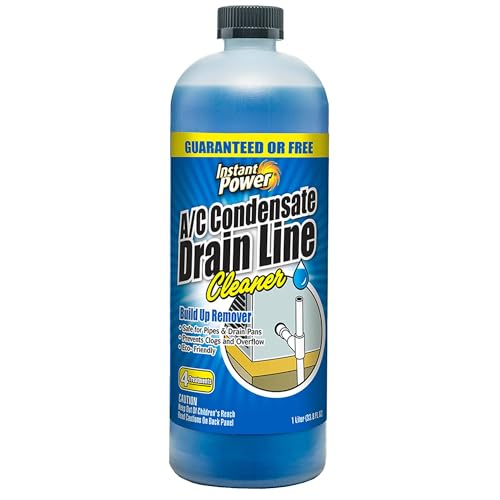
As your AC cools, it removes humidity from indoor air. That moisture collects on the evaporator coil and drips into a drain pan, then flows out through a condensate line. Over time, algae, dust, and biofilm can clog this line, causing water to back up and overflow. Locate the drain line near the indoor unit — usually a white PVC pipe with a trap — and inspect it monthly for standing water or visible blockage.
A simple preventive flush involves pouring a cup of distilled white vinegar down the cleanout port every month. The mild acid discourages algae growth. For a more thorough flush, use a wet/dry vacuum on the outdoor end of the drain line to pull debris through. If you notice water stains near the indoor unit or the drain pan is full, stop using the system and clear the line immediately before mold develops.
3. Inspect the Thermostat and Settings
Verify that your thermostat is reading room temperature accurately and that the setpoint matches your intended comfort level. Replace batteries in battery-powered thermostats annually, even if they appear functional. For programmable or smart thermostats, confirm that cooling schedules are active and that the device is not stuck in a hold or override mode. A thermostat that reads two or three degrees off can cause short cycling, which wears out the compressor faster than any other single factor.
If you own a smart thermostat, check the app for runtime reports and filter reminders. Many models flag abnormal runtime patterns that suggest airflow or refrigerant problems before they become emergencies. This diagnostic data is invaluable for catching small issues early.
Seasonal AC Maintenance Tasks
Perform these deeper tasks twice per year — once in spring before cooling season begins and once in fall after it ends.
4. Clean the Outdoor Condenser Coil
The outdoor condenser coil releases heat absorbed from your home. When leaves, grass clippings, pollen, and dust coat its fins, heat transfer drops and the compressor works harder. Begin by shutting off power at the disconnect switch (usually a small box near the outdoor unit). Remove the top grille or side panels as needed to access the coil, then gently brush away loose debris with a soft brush or vacuum.
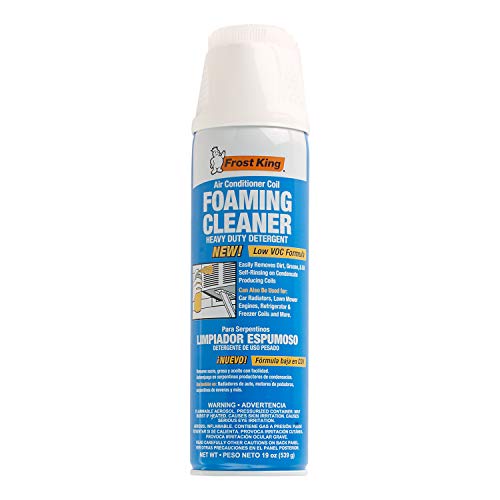
For deeper cleaning, apply a commercial coil cleaner according to label directions, let it dwell for the specified time, and rinse thoroughly with a garden hose using moderate pressure. Avoid high-pressure washers, which can bend the delicate aluminum fins. Straighten any bent fins with a fin comb. Finally, clear vegetation and debris from at least two feet around the unit to maintain airflow. Our broader guide on air sealing explains how envelope improvements reduce the load your AC must handle.
5. Inspect and Clean the Evaporator Coil
The indoor evaporator coil is harder to access than the condenser, but checking it annually prevents frozen coils and reduced capacity. Look for a removable access panel near the indoor unit. With power off, inspect the coil face for dust accumulation, biological growth, or ice. Light dust can be removed with a soft brush; heavier contamination requires a no-rinse evaporator coil cleaner or professional service.
If you notice ice on the coil, switch the system to fan-only mode to thaw it completely before investigating. Persistent icing usually indicates low refrigerant, restricted airflow, or a failing blower — all of which need professional diagnosis. Never attempt to add refrigerant yourself; handling refrigerants requires EPA certification and specialized equipment.
6. Clean or Replace the Blower Wheel
The blower wheel moves air across the evaporator and into your ducts. Over time, dust and debris accumulate on its blades, reducing airflow and causing imbalance that can damage the motor bearings. Access the blower compartment with power off, inspect the wheel for buildup, and clean it with a soft brush and mild detergent solution. Some wheels are removable for easier cleaning; others require careful in-place work with a brush and vacuum.
While the blower compartment is open, check the blower motor for excessive vibration, unusual noise, or a burning smell. Lubricate oil ports on older motors according to manufacturer guidance. Newer sealed motors require no lubrication. A clean, quiet blower is one of the most underappreciated contributors to efficient cooling.
Annual Professional AC Maintenance
Even the most diligent homeowner cannot perform every task safely or legally. Schedule a professional HVAC tune-up once per year, ideally in spring before the cooling season begins. A qualified technician brings gauges, meters, and training that go far beyond homeowner-level inspection.
A comprehensive professional maintenance visit typically includes measuring refrigerant charge and subcooling or superheat, checking compressor amp draw against nameplate ratings, testing capacitors and contactors, verifying electrical connections for tightness, inspecting the condensate drain and safety switch, cleaning the condensate pan, checking the blower motor and wheel, measuring temperature differential across the evaporator coil, and confirming thermostat calibration. The technician should also inspect duct connections in accessible areas and advise on filter type and replacement intervals.
| Maintenance Task | Frequency | Skill Level | Why It Matters |
|---|---|---|---|
| Air filter replacement | Monthly check; replace every 1–3 months | Beginner | Protects coil and blower; maintains airflow |
| Condensate drain flush | Monthly during cooling season | Beginner | Prevents water damage and mold growth |
| Condenser coil cleaning | Twice yearly (spring and fall) | Intermediate | Restores heat transfer; lowers compressor load |
| Evaporator coil inspection | Annually | Intermediate | Prevents freezing and capacity loss |
| Blower wheel cleaning | Annually | Intermediate | Maintains airflow and motor life |
| Professional tune-up | Annually (spring) | Professional | Refrigerant, electrical, and diagnostic checks |
| Duct inspection | Every 2–3 years | Professional | Finds leaks and insulation failures |
Understanding Quality Tiers in AC Equipment and Service
When evaluating air conditioning systems, filters, or service contracts, it helps to classify products and services by tier rather than by number. Entry-level systems typically use single-stage compressors with basic controls — reliable but less efficient. Mid-range systems introduce two-stage compressors or variable-speed blowers that improve comfort and humidity control. Premium and top-tier systems add fully variable-speed compressors, advanced communicating controls, and higher seasonal efficiency ratings. Service contracts follow a similar ladder: a basic plan covers seasonal inspection, while higher-tier plans include priority scheduling, refrigerant allowances, and extended labor coverage.
For most homeowners, a mid-range system paired with a consistent maintenance routine delivers the best balance of reliability and operating economy. Entry-level equipment maintained rigorously often outlasts premium equipment that is neglected. Budget-friendly filters replaced on schedule protect the system better than high-end filters left in place too long. The lesson is consistent: maintenance discipline matters more than equipment tier.
Get the Right Tools for Your AC Tune-Up
From coil cleaners and fin combs to filter bundles and drain brushes — the recommended products below cover every maintenance task in this guide. All selections are curated to help you complete a thorough, safe tune-up.
View Recommended AC Maintenance ToolsWhen to Call a Professional Instead of DIY
Some tasks are clearly outside homeowner scope. Refrigerant handling requires EPA Section 608 certification because refrigerants deplete the ozone layer or contribute to global warming. Any work involving brazing, evacuation, or charging must be performed by a licensed technician. Electrical work inside the air handler or at the disconnect should also be left to qualified professionals unless you are experienced and comfortable with multimeter diagnostics.
Call a professional promptly if you observe any of the following: ice on the indoor coil or refrigerant lines, refrigerant oil residue near fittings, a burning smell from the air handler, repeated tripping of the circuit breaker, unusual compressor noise, water leaking from the indoor unit, or a system that runs continuously without reaching the setpoint. These symptoms often indicate underlying issues that worsen with delay and can lead to premature compressor failure. A licensed contractor can also assess whether duct modifications or envelope improvements — as discussed in our air sealing attic guide — would reduce cooling demand.
Building an Annual AC Maintenance Schedule
A written schedule turns good intentions into consistent action. Here is a practical calendar you can adapt:
- Spring: Schedule professional tune-up, clean condenser coil, replace filter, flush drain, inspect outdoor disconnect and wiring, clear vegetation around the outdoor unit.
- Monthly during cooling season: Check and replace filter as needed, flush drain line with vinegar, inspect thermostat settings and batteries, listen for unusual sounds.
- Fall: Clean condenser coil again, inspect evaporator coil, clean blower wheel, flush drain, cover outdoor unit or install a breathable cover, replace filter before the heating season begins.
- Winter (off-season): Review service records, order replacement filters, inspect ductwork in accessible attic and crawlspace areas, plan any duct sealing upgrades.
Homeowners who also maintain heating equipment will find overlapping tasks — thermostat checks, filter replacement, and blower cleaning — that serve both cooling and heating seasons. Combining the work into a single calendar reduces redundancy and keeps the entire HVAC system in top condition.
Frequently Asked Questions
Standard 1-inch filters should be replaced every one to three months during cooling season. Homes with pets, allergy sufferers, or heavy dust should replace more frequently — often monthly. High-efficiency pleated filters may last two to three months, while washable filters should be cleaned monthly. Always follow the manufacturer's recommendation for your specific filter and household conditions.
Yes, cleaning the outdoor condenser coil is a homeowner-friendly task. Turn off power at the disconnect, remove debris with a soft brush or vacuum, apply a commercial coil cleaner, and rinse gently with a garden hose. Avoid high-pressure washers, which bend fins. If the coil is heavily impacted or the unit requires disassembly beyond the top grille, call a professional.
Ice on the indoor coil or refrigerant lines usually indicates restricted airflow (dirty filter, blocked return, dirty evaporator), low refrigerant charge, or a failing blower motor. Turn the system off or switch to fan-only mode to thaw it, replace the filter, and check for blocked returns. If the problem returns, a professional must diagnose refrigerant levels and electrical components.
With annual professional tune-ups and consistent filter and drain maintenance, a well-installed central air conditioner typically lasts fifteen to twenty years. Systems that are neglected often fail closer to ten or twelve years. The compressor — the most expensive component — is usually the limiting factor, and its life depends heavily on clean coils and correct refrigerant charge.
Service contracts provide value for homeowners who prefer predictable maintenance and priority scheduling. Mid-tier plans typically include one or two seasonal inspections and filter discounts; higher-tier plans add priority service, refrigerant allowances, and labor coverage. If you are diligent about DIY maintenance, a basic inspection plan may be sufficient. If you prefer turnkey care, a higher-tier plan offers peace of mind.
Related Home Cooling and Efficiency Guides
Maintenance is one pillar of efficient home cooling. The other pillars are envelope performance and duct integrity. Explore these related guides to build a complete strategy:
Final Thoughts
AC maintenance is a habit, not a one-time event. The homeowners who enjoy reliable cooling, stable energy bills, and long equipment life are those who treat maintenance as a seasonal ritual — filter changes on the first of the month, a spring professional tune-up, and a fall deep-clean before the system rests for winter. None of these tasks require exceptional skill, but together they protect one of the most expensive systems in your home.
Start with the easiest task — replacing your air filter today. Then schedule your professional tune-up before the next cooling season. Build the monthly and seasonal checks into your calendar. The payoff is measured in comfort, lower operating cost, and fewer emergency repair calls when you need cooling most. For broader envelope improvements that complement AC maintenance, revisit our air sealing and air duct sealing guides.