
Bed Frames: The Complete Buying Guide for Every Bedroom
Everything you need to know about choosing a bed frame — types, materials, sizing, durability, and assembly — so you can buy with confidence and sleep better tonight.
SEE RECOMMENDED BED FRAMESWhy the Right Bed Frame Matters: A bed frame is more than a piece of furniture — it is the foundation of your sleep quality and the anchor of your bedroom design. The right frame provides proper mattress support, extends the life of your mattress, maximizes storage and space, and defines the look of your bedroom. This guide walks you through every decision so you can choose a bed frame that fits your sleep style, room layout, and long-term needs.
Understanding Bed Frame Types
Bed frames come in several distinct designs, each with its own strengths. Knowing the differences helps you match a frame to your mattress, your room, and your lifestyle. The most common categories are platform beds, traditional (bolt-on) bed frames, panel beds, sleigh beds, canopy beds, and adjustable bed frames. Each type serves a different set of priorities — from minimalist simplicity to statement design.
For most modern bedrooms, platform bed frames have become the default choice because they support a mattress directly through a slat or solid base system, eliminating the need for a box spring. Traditional bolt-on frames, often made of metal, are the practical workhorses of guest rooms and rental spaces. Panel and sleigh beds bring a classic, upholstered or wood aesthetic that suits more traditional interiors. Canopy beds are design-forward focal points, while adjustable bed frames prioritize ergonomics and health for sleepers with specific comfort needs.
| Frame Type | Best For | Market Tier | Key Advantage |
|---|---|---|---|
| Platform Bed | Most bedrooms; memory foam and hybrid mattresses | entry to premium | No box spring needed; clean modern look |
| Metal Bolt-On Frame | Guest rooms, rentals, budget setups | budget-friendly | Lightweight, affordable, easy to move |
| Panel / Upholstered Bed | Master bedrooms, traditional decor | mid-range | Soft aesthetics; integrated headboard |
| Sleigh Bed | Classic, formal bedrooms | mid to premium | Elegant curved profile; statement piece |
| Canopy Bed | Spacious bedrooms, designer interiors | premium | Dramatic focal point; customizable draping |
| Adjustable Bed Frame | Health needs, reading, TV watching | premium to luxury | Motorized positioning; ergonomic support |
Quick Tip: If you own a memory foam, latex, or hybrid mattress, a platform bed with closely spaced slats (no more than 3 inches apart) or a solid base is usually the best match. Traditional innerspring mattresses can pair well with either a platform base or a box spring setup.
Bed Frame Materials: Wood, Metal, Upholstered, and More
The material of your bed frame determines its durability, weight capacity, maintenance needs, and visual character. Solid wood frames — especially hardwoods like oak, maple, and walnut — are prized for their longevity and natural warmth. Softwoods such as pine are lighter and more budget-friendly, making them a common entry-level choice. Engineered woods like MDF and plywood offer consistent finishes at a mid-range position and are often used in upholstered bed construction.
Metal frames, typically steel or aluminum, deliver exceptional strength-to-weight ratios. Entry-level metal frames are lightweight and functional, while mid-range and premium steel frames feature reinforced joints, thicker gauge tubing, and noise-reducing design. Upholstered beds combine a wooden or metal structural core with fabric, faux leather, or genuine leather surfaces, offering comfort and a softer aesthetic — these are most often mid-range to premium products.
When comparing materials, think in relative terms: a solid hardwood frame will generally outlast an entry-level softwood frame, and a premium steel frame will typically support more weight and resist wobble better than a budget-friendly metal frame. Consider your climate too — metal frames are ideal in humid environments where wood may expand, while wood frames bring warmth and acoustic dampening that metal cannot match. For broader renovation context around bedroom additions and furniture planning, see our guide on adding a bedroom.
Choosing the Right Bed Frame Size
Size is the single most consequential decision when buying a bed frame. A frame that is too large overwhelms the room and restricts movement; one that is too small compromises comfort. Start by measuring your bedroom and mapping out traffic paths, closet doors, and adjacent furniture. A general rule is to leave at least 24 inches of clearance on the sides you access most often.
- Twin: Ideal for children's rooms, guest rooms, and compact spaces. Fits a single sleeper comfortably.
- Twin XL: Adds length for taller teens and college dorm setups.
- Full (Double): A good fit for single adults and smaller bedrooms; works for couples in a pinch.
- Queen: The most popular size for couples and master bedrooms — a strong balance of space and room fit.
- King: Maximum width and comfort for couples who value personal space.
- California King: Extra length for taller sleepers; slightly narrower than a standard King.
Remember that the frame dimensions are usually a few inches larger than the mattress dimensions, so account for that when measuring. If you are planning a larger bedroom project or adding sleeping space, our article on adding a bedroom and bathroom can help you think through the broader scope. Also keep ceiling height and headboard height in mind — tall headboards can make small rooms feel cramped, while low-profile platform frames create an airy, open feel.
Support Systems: Slats, Box Springs, and Foundations
The support system beneath your mattress is what actually determines comfort and mattress longevity. Platform beds use slats — wooden or metal strips — spaced across the frame. Closely spaced slats (2 to 3 inches apart) provide even support and excellent airflow, which helps prevent moisture buildup and extends mattress life. Some platform beds use a solid base panel instead of slats, which offers firmer support but less ventilation.
Traditional bed frames typically require a box spring or foundation to elevate the mattress and provide shock absorption. Box springs are especially compatible with innerspring mattresses, while modern foam and hybrid mattresses generally perform best on a firm, flat platform. Always verify your mattress manufacturer's warranty requirements — some warranties are voided if the mattress is placed on an unsupportive base.
Support Check: If you can feel gaps or sagging beneath your mattress, your support system is inadequate. Reinforced slats or a bunkie board can be added to most platform frames to improve support without replacing the entire bed.
Durability and Weight Capacity
Durability is where bed frames differ most dramatically across market tiers. Entry-level frames often use thinner materials and simpler joinery, which is adequate for light use but may develop wobble over time. Mid-range frames typically feature thicker wood sections, reinforced corner brackets, center support legs, and better hardware. Premium frames invest in solid hardwood joinery, heavy-gauge steel, and engineered support systems designed to last for decades.
Weight capacity is a critical but often overlooked specification. Standard frames generally support typical adult weights comfortably, but heavier sleepers or couples should look for frames explicitly rated for higher capacity — often indicated by center support rails and additional legs. If you are comparing options, prioritize frames with a center support beam and at least one center leg for Queen and King sizes. This is especially important if you plan to place the bed on carpet, which can hide instability.
Maintenance also affects longevity. Wood frames benefit from periodic tightening of bolts and occasional polishing; metal frames should be checked for loose fasteners and lubricated at joints if squeaks develop. Upholstered beds should be vacuumed regularly and kept away from direct sunlight to prevent fabric fading. For related home maintenance guidance, see our home improvement section.
Assembly, Delivery, and Room Logistics
Most bed frames ship flat-packed and require assembly. Entry-level frames often use simple bolt-and-barrel-nut construction that one person can handle in under an hour. Mid-range and premium frames may include more components, integrated headboards, and heavier panels, so having a second person available is wise. Before ordering, confirm the package dimensions and weight — especially for solid wood King and California King frames, which can be very heavy and may require two-person delivery.
Measure your doorways, stairwells, and hallways before delivery. A King-size assembled frame may not fit through a narrow stairwell, so choose a frame that either ships in manageable pieces or offers in-room assembly. Also consider whether the frame includes a headboard, footboard, and side rails as separate pieces, and whether tools are included. Reading recent customer assembly reviews is one of the most reliable ways to gauge real-world difficulty.
If you are renovating the bedroom as part of a larger project, our guides on attic remodeling and adding a second story may help you plan space and structure. For smaller refreshes, consider pairing a new bed frame with accent walls or upgraded home decor to complete the room.
Matching Bed Frames to Your Bedroom Style
A bed frame is often the visual centerpiece of a bedroom, so style matters as much as function. Modern and minimalist bedrooms pair beautifully with low-profile platform beds in light woods or matte metal. Traditional and transitional rooms suit upholstered panel beds and sleigh beds with curved profiles and rich finishes. Rustic and farmhouse styles benefit from reclaimed wood frames and simple, sturdy construction. Industrial aesthetics thrive on exposed metal frames with visible bolts and raw finishes.
Color and finish should harmonize with your existing flooring, wall color, and textile palette. A dark walnut frame anchors a room with warm tones, while a white or light oak frame opens up a smaller space. Headboard height also affects perceived room height: tall headboards add drama in rooms with high ceilings, while low or absent headboards keep low-ceiling rooms feeling spacious. Consider the mattress height too — a thick mattress on a low frame can look disproportionate.
Understanding Market Tiers Without the Guesswork
Bed frames span a wide range of market positions, from budget-friendly to luxury. Rather than focusing on specific figures, it is more useful to understand what each tier generally delivers. Entry-level frames prioritize affordability and basic function — they are suitable for guest rooms, temporary setups, and first apartments. Mid-range frames add better materials, sturdier joinery, and more refined finishes, making them the sweet spot for most households. Premium and luxury frames invest in solid hardwood, heavy-gauge steel, ergonomic features, and designer aesthetics for long-term ownership.
When comparing tiers, look at relative differences: mid-range frames typically offer more stable center support than entry-level options, and premium frames generally provide superior noise reduction and weight capacity compared to mid-range models. This relative thinking helps you choose based on value rather than absolute numbers. For renovation budgeting in a broader sense, our home improvements for return on investment guide offers useful perspective.
Frequently Asked Questions About Bed Frames
What is the most durable type of bed frame?
Solid wood and heavy-duty metal bed frames are the most durable options. Hardwood frames like oak or maple offer exceptional longevity, while steel frames provide superior weight capacity and stability. Platform beds with reinforced slats and center support legs also deliver outstanding durability for long-term use. The key indicators of durability are material thickness, joinery quality, and the presence of center support for larger sizes.
Do I need a box spring with a platform bed frame?
Most platform bed frames are designed to support a mattress directly without a box spring. The slat system provides adequate support and airflow. However, some mattress warranties may require a box spring or specific foundation, so always check your mattress manufacturer's recommendations before pairing a mattress with a platform frame. If you use a box spring, ensure the platform can accommodate its height and weight.
How do I choose the right bed frame size?
Measure your bedroom carefully and consider the room's layout, traffic flow, and other furniture. Twin works well for children's rooms and small spaces, Full and Queen suit most adults, King offers maximum space for couples, and California King provides extra length for taller sleepers. Always account for at least 24 inches of clearance around the bed for comfortable movement, and remember that frame dimensions are slightly larger than mattress dimensions.
Are metal bed frames noisy?
Older or budget-friendly metal frames can develop squeaks over time, but modern mid-range and premium metal frames feature reinforced joints, noise-reducing connectors, and sturdy construction that minimizes noise. Proper assembly and periodic tightening of bolts keep metal frames quiet. If squeaks persist, adding felt pads at metal-to-metal contact points or lubricating joints can resolve the issue.
How long should a bed frame last?
A well-constructed bed frame should last at least a decade, and premium solid wood or heavy-duty steel frames can last much longer with proper care. Entry-level frames may need replacement sooner, especially if moved frequently or used by heavier sleepers. Regular maintenance — tightening bolts, checking slats, and keeping the frame clean and dry — significantly extends its lifespan.
Can I use any mattress with any bed frame?
Not always. Innerspring mattresses traditionally pair with box springs or foundations, while memory foam, latex, and hybrid mattresses generally require a firm, flat surface such as closely spaced slats or a solid platform. Adjustable bed frames require mattresses designed to flex. Always verify compatibility between your mattress type and the frame's support system to protect your investment and maintain warranty coverage.
Final Thoughts: Buying With Confidence
Choosing a bed frame is a decision that blends comfort, durability, design, and practical room logistics. By understanding frame types, materials, support systems, and size options, you can narrow your choices quickly and avoid common mistakes. Prioritize a frame that matches your mattress type, fits your room with comfortable clearance, and sits in a market tier that matches your long-term expectations.
Take your time comparing options, read verified customer reviews, and check assembly requirements before you buy. With the right frame, your bedroom becomes more than a place to sleep — it becomes a well-designed, supportive retreat you will enjoy for years. For more guidance on improving your home room by room, explore our DIY tips and guides section.
Recommended Bed Frames
⚠️ AFFILIATE DISCLOSURE: This website contains affiliate links. As an Amazon Associate, we earn from qualifying purchases. If you make a purchase through these links, we may receive a small commission at no additional cost to you. Read our full affiliate policy.

NEW JETO Metal Bed Frame,Queen Size Bed Frame with Storage Space,14 Inch | Heavy Duty Sturdy Mattress Foundation,Easy Assembly,No Box Spring Needed, Black
Check price on Amazon
YORWEN 14 In Queen Bed Frame, Metal Platform Bed 15-Minute Solo Setup | 1560 lbs capacity ,11 points support ,Design For Quieter Sleep,12.4-Inch Underbed Storage,Easy To Disassemble For Next Move
Check price on Amazon
NEW JETO Metal Bed Frame,Twin Size Bed Frame with Storage Space,14 Inch | Heavy Duty Sturdy Mattress Foundation,Easy Assembly,No Box Spring Needed, Black
Check price on Amazon
UHTN Queen Bed Frame with Storage Drawers and Charging Station, Grey | Upholstered Platform Bed with LED Lights, 2-Tier Headboard Storage Shelf, Noise Free, Metal Support, No Box Spring Needed
Check price on Amazon
Fluest Queen Bed Frame, Platform Bed Frame with Velvet Upholstered Headboard, No Box Spring Needed, Sturdy Metal Support, Noise Free, Easy Assembly, Modern Bedroom Furniture, Beige
Check price on Amazon
HLIPHA Metal Platform Bed Frame 14 Inch Tall,No Box Spring Needed,Full Size Bed with Heavy Duty Strong Support Slats,Easy to Assemble,Black
Check price on Amazon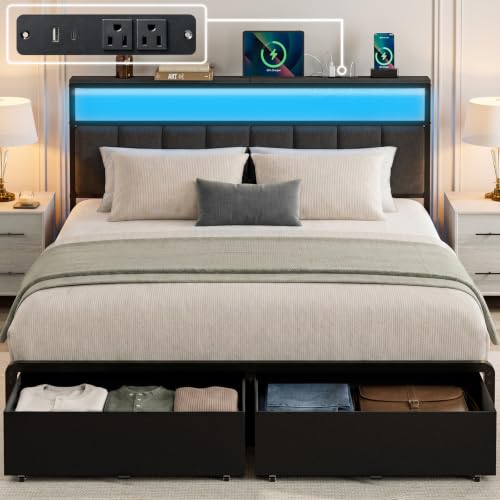
UHTN Queen Bed Frame with 2 Storage Drawers, Grey Upholstered | Headboard with Charging Station and LED Lights, Metal Platform Bed with Storage Shelf, Noise Free, No Box Spring Needed
Check price on Amazon