Water Heaters: Complete Guide to Types, Costs & Installation
Compare gas, electric, and tankless water heaters. Understand energy efficiency, installation requirements, and maintenance to make the smartest choice for your home.
Why Your Water Heater Choice Matters
A water heater is one of the most critical appliances in your home, accounting for roughly 15–18% of your total energy bill. Choosing the right model impacts your monthly utility costs, the comfort of your household, and the long-term value of your property. Whether you're replacing an aging unit or installing a new system during a home renovation, understanding the differences between available options is essential.
This comprehensive guide covers everything you need to know—from types and costs to installation and maintenance—so you can make a confident purchase decision.
Types of Water Heaters
⚡ Electric Water Heaters
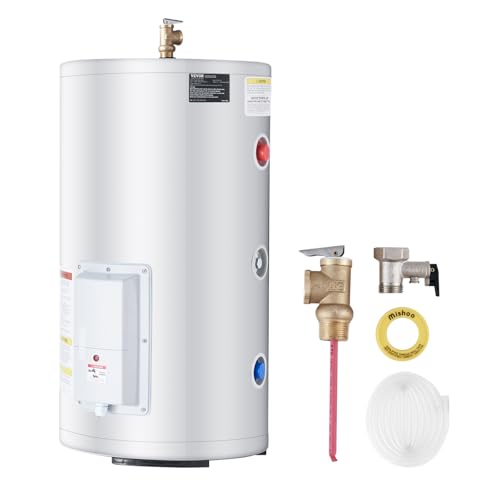
Electric water heaters are the most common type, using heating elements inside a storage tank to warm water. They're generally more affordable upfront and simpler to install than gas units, making them a popular choice for homes without natural gas lines. Modern electric models feature improved insulation and smart controls for better efficiency.
Average Cost: $600–$1,800 (including installation)
🔥 Gas Water Heaters
Gas water heaters use a burner at the bottom of the tank to heat water. They typically heat water faster than electric models and have lower operating costs in regions where natural gas is inexpensive. However, they require proper ventilation and a gas line connection, which can add to installation complexity and cost.
Average Cost: $800–$2,200 (including installation)
🌊 Tankless (On-Demand) Water Heaters
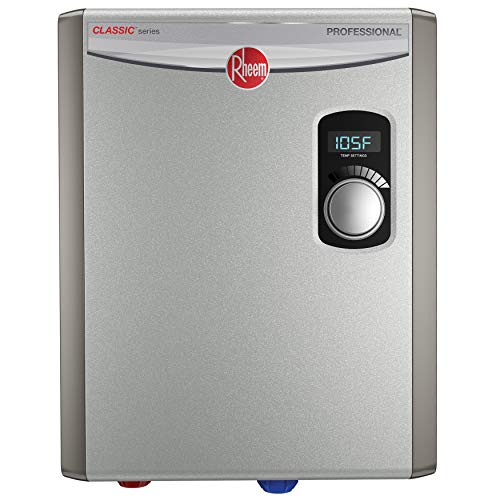
Tankless water heaters heat water directly without a storage tank, providing hot water on demand. They are highly energy-efficient because they only operate when needed, eliminating standby heat loss. Tankless models have a longer lifespan than traditional tank heaters but come with a higher upfront cost and may require upgrading gas lines or electrical panels.
Average Cost: $1,200–$3,500 (including installation)
💧 Heat Pump (Hybrid) Water Heaters
Heat pump water heaters, also known as hybrid models, use electricity to move heat from the air or ground to heat water. They are significantly more energy-efficient than conventional electric resistance heaters—often cutting energy use by 60% or more. They work best in warm climates and require sufficient space for proper airflow.
Average Cost: $1,500–$3,000 (including installation)
Comparison at a Glance
Electric Tank
- Low upfront cost
- Easy installation
- Higher operating cost
- Lifespan: 10–15 years
Gas Tank
- Quick heating
- Lower operating cost (gas)
- Requires ventilation
- Lifespan: 10–15 years
Tankless
- Endless hot water
- Very energy efficient
- Higher upfront cost
- Lifespan: 20+ years
Heat Pump (Hybrid)
- Ultra energy efficient
- Tax credits available
- Requires space/airflow
- Lifespan: 10–15 years
How to Choose the Right Water Heater
🏠 Fuel Type & Availability
The fuel type available in your home is the primary factor. If you have natural gas, a gas water heater may be more cost-effective over time. If not, electric or heat pump models are your options. For homes with limited space, tankless units are a great alternative.
👨👩👧👦 Household Size & Usage
Consider your household's peak hot water demand. A family of four may need a 50–60 gallon tank or a tankless unit with sufficient flow rate. For larger families, consider upgrading to a higher-capacity model or a tankless system with multiple units.
💰 Energy Efficiency & Operating Cost
Look for the Energy Factor (EF) or Uniform Energy Factor (UEF) rating—the higher the number, the more efficient the unit. Heat pump water heaters offer the highest efficiency, while electric tank models are the least efficient. Learn more about home systems efficiency to maximize savings.
🛠️ Installation & Space Requirements
Gas models need proper venting; tankless units may require upgraded gas lines or electrical panels. Heat pump water heaters need adequate space for airflow. Always consult with a licensed professional for installation to ensure safety and code compliance.
Installation & Maintenance Tips
🔧 Installation Basics
Proper installation is critical for performance and safety. For gas models, ensure proper venting to avoid carbon monoxide buildup. Electric units require correct wiring and grounding. Tankless systems often need a dedicated circuit. While some homeowners may be tempted to DIY, water heater installation is best left to professionals to avoid costly mistakes and safety hazards.
If you're also planning other home system upgrades, explore our guides on plumbing tools and pipe wrenches for your toolkit.
🔄 Regular Maintenance
- Flush the Tank: Once a year, drain and flush the tank to remove sediment buildup, which improves efficiency and prolongs life.
- Check the Anode Rod: Inspect and replace the anode rod every 3–5 years to prevent tank corrosion.
- Test the TPR Valve: Test the temperature-pressure relief valve annually to ensure it's functioning.
- Inspect Gas Lines (Gas Models): Check for leaks and proper connections. For electric models, ensure all electrical connections are tight.
📋 Water Heater Buying Checklist
- Determine fuel type (gas, electric, propane)
- Calculate required capacity (gallons or flow rate)
- Check energy efficiency ratings (UEF)
- Measure available space for installation
- Evaluate ventilation requirements
- Factor in installation costs
- Look for warranty coverage
- Consider rebates & tax credits
Frequently Asked Questions
How long does a water heater last?
Traditional tank water heaters typically last 10–15 years with proper maintenance. Tankless models can last 20 years or more. Regular flushing and anode rod replacement can significantly extend the life of any water heater.
Is a tankless water heater worth it?
Yes, if you have a higher budget and want long-term energy savings. Tankless heaters are more efficient, provide unlimited hot water, and have a longer lifespan. However, they have a higher initial cost and may require upgrades to your home's gas line or electrical panel.
How much does a water heater installation cost?
Installation costs vary widely, typically ranging from $400 to $1,500 depending on the type of unit, location, and any required upgrades. Gas water heaters often have higher installation costs due to venting requirements. Always get multiple quotes from licensed plumbers.
Can I install a water heater myself?
While some experienced DIYers may attempt it, water heater installation involves gas, electrical, and plumbing work—all of which carry significant safety risks. We strongly recommend hiring a licensed professional. If you're working on other DIY projects, you may find our guides on tools and equipment helpful for other tasks.
Ready to upgrade your water heater? Browse the recommended products below to find top-rated models from trusted brands. We've curated a selection based on efficiency, reliability, and value—so you can choose with confidence.