What Is a Pergola and Why Add One?
A pergola is a freestanding or attached outdoor structure consisting of vertical posts supporting an open roof of rafters and crossbeams. Unlike a gazebo or pavilion, a pergola's roof is typically uncovered or partially covered, allowing filtered sunlight to pass through while providing partial shade. This open design makes pergolas ideal for homeowners who want to define an outdoor living area without sacrificing natural light or ventilation.
The benefits extend well beyond aesthetics. A well-placed pergola can help reduce heat gain on adjacent walls, extend the usability of your patio, and provide structural support for climbing plants, lighting, and privacy screens. If you're in the planning stages of a broader backyard upgrade, consider how a pergola fits into your outdoor living layout alongside hardscaping and furniture placement.
Before committing to a design, think about how your pergola will integrate with surrounding features. Many homeowners pair their pergola with a patio remodeling project to create a unified outdoor space, or add patio pavers beneath the structure for a polished foundation. Others build matching outdoor furniture or a outdoor kitchen nearby to create a complete entertaining zone.
Pergola Types: Which Style Fits Your Home?
Pergolas come in several distinct configurations, each suited to different spaces, budgets, and design goals. Understanding these categories helps you narrow down the right choice before you shop or build.
Freestanding Pergolas
Self-supporting structures that can be placed anywhere on your property. Ideal for defining a seating area in the middle of a lawn or creating a focal point in a garden. They offer maximum flexibility for placement and orientation.
Attached Pergolas
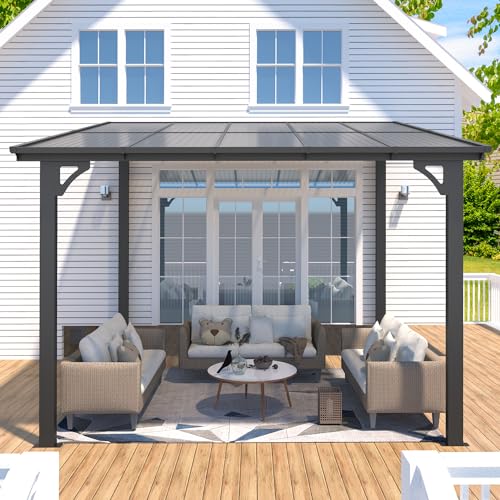
Connected to your home's exterior wall, typically over a patio or deck. These create a seamless indoor-outdoor transition and are perfect for extending living space. Attachment methods vary based on your home's siding and framing.
Wall-Mounted Pergolas
A space-saving option that projects from a wall without requiring full post support on the house side. Great for narrow patios, side yards, and urban courtyards where floor space is limited.
Arbors & Trellis Pergolas
Smaller structures often used as entryways or garden accents. They provide vertical interest and support for climbing plants. Often built from the same materials as larger pergolas but scaled for pathways and garden transitions.
Materials Comparison: Wood, Vinyl, and Aluminum
Material choice is the single most important decision affecting your pergola's appearance, longevity, and maintenance requirements. Each material has distinct strengths and trade-offs.
| Material | Durability | Maintenance | Best For |
|---|---|---|---|
| Cedar Wood | High — naturally rot and insect resistant | Moderate — periodic staining or sealing | Homeowners who want natural beauty and are willing to maintain it |
| Pressure-Treated Pine | Good — chemically treated for outdoor use | Moderate — annual staining recommended | Budget-conscious builds where a painted or stained finish is acceptable |
| Vinyl | High — resists rot, insects, and moisture | Low — occasional cleaning with soap and water | Low-maintenance landscapes and modern home styles |
| Aluminum | Very High — rust-proof and lightweight | Low — wipe down occasionally | Coastal climates, high-wind areas, and contemporary designs |
| Fiberglass | Good — resists moisture and insects | Low — minimal upkeep | Homeowners seeking a wood-look finish with less maintenance |
For a deeper look at wood options and sheet goods used in outdoor construction, our plywood and sheet goods guide covers grading and weather resistance. If you're planning structural attachments or repairs, understanding basic electrical testing tools is also useful when wiring pergola lighting or outdoor outlets.
Wood Pergolas: Classic Beauty with Commitment
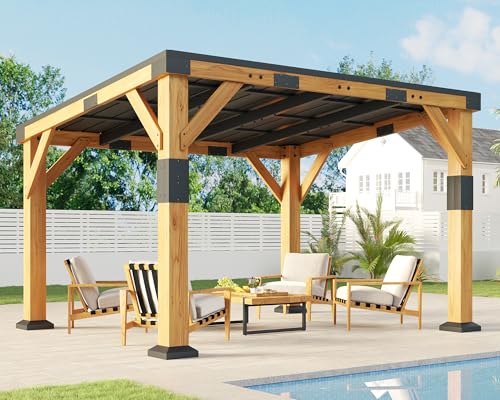
Wood remains the most popular pergola material because of its warmth, workability, and classic appearance. Cedar is the gold standard for naturally rot-resistant wood, while pressure-treated pine offers a more budget-friendly alternative. Both require periodic staining or sealing to maintain their appearance and protect against moisture. An entry-level wood pergola kit typically uses pressure-treated pine, while mid-range and premium options often feature cedar or redwood. High-end custom builds may incorporate exotic hardwoods like ipe or mahogany for exceptional durability.
Vinyl Pergolas: Low Maintenance, Consistent Look
Vinyl pergolas offer the look of painted wood without the upkeep. They resist rot, insects, and fading, making them a smart choice for busy homeowners. Mid-range vinyl pergolas often include reinforced internal channels for added rigidity, while top-tier models may feature architectural details and integrated gutters. Vinyl is available in white and a range of neutral tones to complement different home exteriors.
Aluminum Pergolas: Modern Durability
Aluminum pergolas are lightweight, rust-proof, and available in powder-coated finishes that resist fading and chipping. They're an excellent choice for coastal regions, high-wind areas, and modern architectural styles. Premium aluminum pergolas may include adjustable louvers for customizable shade control — a feature increasingly popular in contemporary outdoor design.
Sizing and Placement: Getting the Proportions Right
Pergola sizing should be driven by the intended use and available space. A common rule of thumb is to allow at least 8 feet of clearance between posts for comfortable circulation, with a minimum interior width of 10 feet for dining or seating areas. Height matters too: standard pergolas stand 8 to 10 feet tall at the beam, with sloped or arched tops adding visual interest.
Placement depends on sun exposure and wind patterns. In hot climates, position the pergola so that the slatted roof blocks the harshest midday sun while allowing morning or evening light to enter. In cooler regions, orient the structure to maximize warmth during shoulder seasons. If your yard has drainage or grading concerns, review our guides on drainage solutions and irrigation systems to ensure your pergola area stays dry and well-drained.
Pergola Planning Checklist
- Confirm local zoning and permit requirements before construction
- Measure the intended footprint and verify post spacing for your use case
- Choose a material that matches your climate and maintenance preferences
- Plan for anchoring — footings or brackets depending on surface type
- Decide on shade options: slatted roof, fabric canopy, or climbing plants
- Consider lighting, outlets, and any audio or heating elements
- Check for underground utilities before digging post holes
Installation Options: DIY vs. Professional
Pergola installation ranges from straightforward kit assembly to complex custom construction. Freestanding kit pergolas designed for surface mounting on a patio or deck are the most accessible DIY option, typically requiring basic tools and two people over a weekend. Attached pergolas and larger structures demand more advanced skills, including proper flashing, structural anchoring, and sometimes concrete footings.
If you're weighing a DIY build against hiring a pro, our guide on DIY versus hiring a professional breaks down the trade-offs. For attached structures, you'll also want to review permit requirements to make sure your project complies with local codes. Homeowners who prefer to delegate installation often work with local handyman services or specialized outdoor contractors.
When building near existing structures, pay attention to how the pergola integrates with your molding and trim and exterior finishes. A well-executed attachment point protects both the pergola and your home's siding from moisture intrusion.
Tools and Materials You'll Need
Most pergola installations require a core set of tools: a drill, level, measuring tape, post-hole digger (for in-ground builds), and appropriate fasteners. For wood pergolas, you'll also want paint brushes or a paint sprayer for staining and sealing. If you're installing lighting, basic plumbing and electrical tools will help with wiring runs and connections. Quality outdoor lighting can dramatically extend your pergola's usable hours.
Shade, Privacy, and Accessories
One of the most appealing aspects of a pergola is its flexibility. Because the roof is open, you can customize the level of shade and privacy to match your needs and the season.
Shade Options
- Slatted roof with adjustable louvers: Allows you to control sunlight throughout the day. Premium aluminum pergolas often feature this option.
- Retractable fabric canopy: A budget-friendly way to add full shade when needed and open up the sky when not.
- Climbing plants: Vines like wisteria, grape, or jasmine provide natural shade and beauty. Pair with a trellis or arbor for vertical support.
- Pergola roof panels: Polycarbonate or glass panels offer weather protection while maintaining a light, open feel.
Privacy and Enclosure
Privacy screens can be added between or around posts to create a more intimate space. Outdoor curtains, lattice panels, and planter boxes are popular options that can be changed seasonally. If your pergola adjoins a garden, consider integrating planter boxes or raised beds into the structure's footprint for a cohesive look.
Maintenance Tips for Long-Lasting Performance
Pergola maintenance varies by material but generally follows a predictable pattern. Wood pergolas need annual inspection for rot, loose fasteners, and finish wear. Stain or seal every two to three years depending on exposure. Vinyl and aluminum pergolas require only occasional cleaning with mild soap and water — avoid abrasive cleaners that can scratch powder-coated finishes.
Regardless of material, check post bases and attachment points annually for signs of movement or moisture damage. Clean debris from the roof slats to prevent mold and pest issues. If you live in an area with heavy snow, clear the roof after major storms to reduce load stress. For broader seasonal upkeep, our seasonal maintenance guide covers tasks that keep outdoor structures in top condition year-round.
Pergola Design Ideas by Setting
Poolside Pergola
A pergola near a pool creates a natural shade lounge without blocking the view. Use a freestanding design with wide post spacing and integrate outdoor furniture beneath it. Consider pool deck resurfacing to tie the structure into the surrounding hardscape.
Garden Pergola
Pair a small pergola with climbing plants and a gravel or paver base for a classic garden feature. Arbors and trellis-style pergolas work especially well as garden entryways or focal points along a path.
Dining and Entertaining Pergola
A larger pergola over a dining area benefits from integrated lighting, ceiling fans, and sometimes a small outdoor kitchen or bar. Ensure adequate clearance and consider attaching a pergola to your home for easy access to indoor plumbing and electrical.
Modern Minimalist Pergola
Clean lines, aluminum construction, and integrated lighting define the modern pergola. Louvered roofs are a hallmark of this style, offering both form and function for contemporary homes and patios.
Frequently Asked Questions
What is the difference between a pergola and a gazebo?
A pergola typically features an open lattice or rafter roof that provides partial shade while allowing air circulation, whereas a gazebo has a solid roof and enclosed sides. Pergolas are generally more customizable and blend naturally with landscaping, while gazebos offer more complete weather protection.
Do I need a permit to build a pergola?
Permit requirements vary by municipality and depend on factors such as size, height, and attachment to an existing structure. Freestanding pergolas under a certain square footage may be exempt in some areas, but attached pergolas and larger structures typically require permits. Always check with your local building department before starting construction. Our permits guide provides a general overview of what to expect.
What is the best material for a pergola?
Cedar and pressure-treated pine offer natural beauty and durability for wood pergolas, while aluminum provides low maintenance and rust resistance. Vinyl is another low-maintenance option that resists rot and insects. The best choice depends on your climate, maintenance preferences, and design goals.
How long does a pergola last?
A well-built and properly maintained wood pergola can last 15 to 20 years or more, depending on the wood species and climate. Aluminum and vinyl pergolas often last 20 to 30 years with minimal maintenance. Regular cleaning, staining, and inspections extend the lifespan of any pergola.
Can I attach a pergola to my house?
Yes, attached pergolas are a popular option. The attachment must be properly flashed and anchored to your home's structural framing. This typically requires professional installation or advanced DIY skills. Review your home's exterior siding and trim details — our molding and trim guide can help you plan the transition.
What is the best shade option for a pergola?
It depends on your budget and desired level of shade. A slatted roof provides filtered shade; retractable fabric canopies offer adjustable full shade; climbing plants add natural shade and beauty; and roof panels deliver weather protection. Many homeowners combine two or more options for flexibility across seasons.