Bathroom Upgrades: Simple Changes, Big Impact
Discover easy upgrades that refresh your bathroom without a full remodel. From new fixtures to smart storage solutions.
Read More →
Transform your outdated shower into a modern, functional space with this comprehensive DIY guide. Learn everything from planning and budgeting to demolition and installation.
START YOUR SHOWER REMODELWhy Remodel Your Shower? A shower remodel is one of the most impactful home improvement projects you can undertake. It not only enhances your daily routine but also significantly boosts your home's value. Whether you're replacing a worn-out tub, upgrading to a walk-in shower, or fixing leaks, this guide walks you through every step of the process.
Before you pick up a hammer, careful planning is essential. A well-executed shower remodel starts with a clear vision, realistic budget, and understanding of your skill level. This phase determines the success of your entire project.
Are you replacing a tub with a shower, upgrading fixtures, or fixing water damage? Knowing your primary objective will guide every decision, from materials to layout.
DIY shower remodels typically cost between $800–$2,500 depending on materials, fixtures, and whether you need to hire help for specific tasks like plumbing or electrical work.
Select tile, fixtures, and layout that match your style and bathroom space. Consider factors like curbless designs for accessibility, niche storage, and glass enclosures.
Here's what you can expect to spend on materials and tools for a standard 3x5-foot shower remodel.
*Prices are estimates and may vary based on location, quality of materials, and project complexity.
Follow these systematic steps to ensure a smooth and successful shower renovation. Each phase builds on the previous one, so take your time and double-check your work.
Remove existing fixtures, tiles, and drywall. Shut off water supply, protect the drain, and clear the work area. This is the messiest part, but it's crucial for a fresh start.
Adjust framing as needed for your new shower layout. Install new plumbing for the showerhead, valve, and drain if you're moving fixtures. This is a good time to consult a professional if you're not confident with plumbing.
Set the shower pan or base on a mortar bed to ensure it's level and secure. Connect the drain and test for leaks before moving forward.
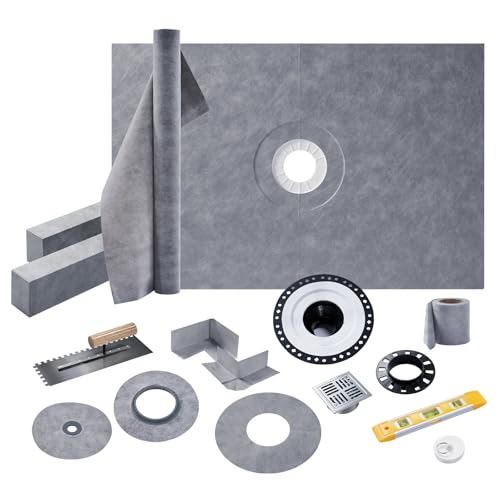
Apply waterproof membrane or backer board with waterproof coating. This step is critical to prevent mold, rot, and water damage behind your walls.
Lay out and cut tiles, apply thinset mortar, and set tiles on walls and floor. Use tile spacers for even grout lines. This is where your design vision comes to life.
Apply grout between tiles, wipe clean, and let it cure. Seal the grout to protect it from moisture and stains. Then install fixtures, glass, and finishes.
Having the right tools and materials before you start will save time, money, and frustration. Here's what you'll need for a successful DIY shower remodel.
Pro Tip: If you're tackling a shower replacement or shower conversion, consider hiring a licensed plumber for the rough-in work. This ensures your project meets building codes and prevents costly water damage down the line.
Your shower's design affects both aesthetics and functionality. Consider these factors when planning your layout to create a space that meets your needs and preferences.
Standard showers are 3x3 feet, but larger spaces allow for more luxurious features like benches and multiple showerheads. Consider your bathroom's footprint and accessibility needs.
Choose tiles that match your style and are slip-resistant for safety. Larger tiles mean fewer grout lines, making cleaning easier, but smaller tiles offer more design flexibility.
Select a showerhead, valve, and trim that complement your bathroom decor. Brushed nickel, matte black, and chrome are popular finishes that work with various styles.
Avoid these pitfalls to keep your shower remodel on track and ensure a professional-quality finish. Many DIYers make these errors, but with careful planning, you can steer clear.
Mistake #1: Skipping Waterproofing
Proper waterproofing is non-negotiable. Use a liquid membrane or waterproof board and ensure seams are properly taped. Learn more about bathroom repair best practices.
Mistake #2: Not Checking for Leaks
Always test your plumbing connections before tiling. A small leak behind the wall can cause extensive damage and undo all your hard work.
Mistake #3: Poor Grout Application
Apply grout evenly and clean excess before it dries. Use a grout sealer to protect against mold and mildew. For expert advice, explore bathroom makeover ideas for inspiration.
Use this checklist to prepare for your DIY shower remodel and avoid delays or surprises during the project.
Ready to start your DIY shower remodel? With careful planning, the right tools, and this step-by-step guide, you can transform your bathroom into a space you'll love. Remember to work slowly, double-check your measurements, and don't hesitate to consult design experts if you need help with layout or materials.
Discover easy upgrades that refresh your bathroom without a full remodel. From new fixtures to smart storage solutions.
Read More →Get a detailed breakdown of the costs involved in converting your bathtub to a walk-in shower, including materials and labor.
Read More →Learn how to diagnose and fix common bathroom issues, including leaky faucets, cracked tiles, and faulty caulking.
Read More →DIY vs. Hiring a Pro: While a DIY shower remodel is achievable, certain tasks like moving plumbing, electrical work, and waterproofing are best left to professionals. If you're unsure about any step, consider hiring a bathroom contractor for peace of mind and quality assurance.
⚠️ AFFILIATE DISCLOSURE: This website contains affiliate links. As an Amazon Associate, we earn from qualifying purchases. If you make a purchase through these links, we may receive a small commission at no additional cost to you. Read our full affiliate policy.



HomeFixPlace provides educational content only. Not a substitute for professional contractor services or licensed trades. Always consult a qualified professional for major structural, electrical, or plumbing work. Some content may use AI. We are not responsible for injuries or damage. By using this site, you accept these terms. If you do not agree, please leave this website and discontinue its use. Read full disclaimer.