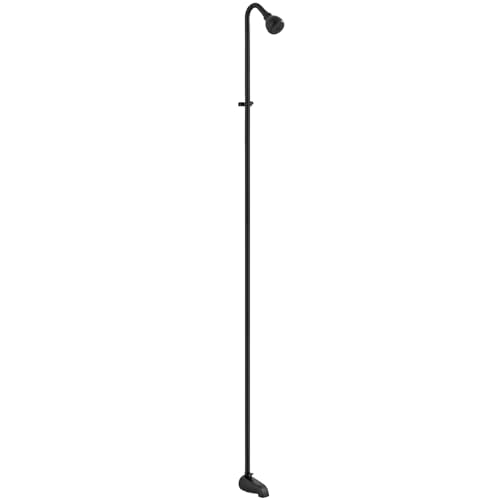
Shower Conversions: Replace Your Tub with a Walk‑In Shower
Everything you need to know about converting a bathtub into a modern, accessible shower — costs, types, process, and ROI.
EXPLORE YOUR OPTIONSWhat Is a Shower Conversion?
A shower conversion is the process of removing an existing bathtub and replacing it with a shower enclosure. This upgrade is one of the most popular bathroom upgrades for homeowners seeking better accessibility, modern aesthetics, and increased home value. Whether you're planning a bathroom makeover or a full bathroom remodel, converting a tub to a shower can transform your daily routine and make your space feel larger.
This guide covers every aspect of shower conversions, from the initial decision to the final installation. We'll help you understand the costs, the different types of showers available, and the step‑by‑step process so you can make an informed decision.
Top 5 Benefits of Converting a Tub to a Shower
🚿 Accessibility
Walk‑in showers eliminate the need to step over a high tub wall, making them safer for seniors and people with mobility issues.
📈 Increased Home Value
Modern showers are a top selling point for buyers. A well‑done conversion can boost your home's resale value significantly.
🛠️ Low Maintenance
Showers with glass enclosures and tile walls are easier to clean than tubs with grout lines and old caulking.
💧 Water Efficiency
Modern shower heads use less water per minute than traditional bathtub fills, helping you save on utility bills.
🏡 Space Saving
A shower footprint is often smaller than a tub, freeing up floor space for additional storage or a larger vanity.
If you're considering a larger project, many homeowners combine a shower conversion with a bathroom redesign or bathroom repairs to maximize the impact.
Types of Shower Conversions
Not all shower conversions are the same. Depending on your budget, space, and style preferences, you can choose from several configurations:
1. Standard Shower Pan with Tile Walls
This is the most common conversion. It involves installing a pre‑formed shower pan (base) and tiling the walls. It's durable and offers endless design options. Cost range: $2,500–$6,000.
2. Custom Tile Shower
A fully custom shower with a mud‑set pan and tile floors and walls. This option provides the most luxury and design freedom but requires skilled labor. Cost range: $5,000–$12,000+.
3. Shower Kit (Acrylic or Fiberglass)
One‑piece or multi‑piece shower units that are pre‑fabricated. They are budget‑friendly, easy to install, and low‑maintenance. Cost range: $1,200–$3,500.
4. Walk‑In Shower with Glass Enclosure
Features a curbless or low‑curb entry and a frameless glass door. This is the most accessible and visually appealing option. Cost range: $4,000–$10,000.
Choosing the right type depends on your budget, the size of your existing tub area, and your long‑term goals. If you're planning a full bathroom remodel, you might also consider updating the flooring and lighting to complement your new shower.
Shower Conversion Cost Breakdown
The total cost of a shower conversion varies widely based on materials, labor, and your location. Below is a typical cost breakdown for a mid‑range conversion (custom tile shower with glass door) in 2026.
| Item | Cost Range |
|---|---|
| Demolition & Removal of Old Tub | $400 – $900 |
| Plumbing Modifications (drain, water lines) | $600 – $1,200 |
| Shower Pan / Base Installation | $500 – $1,500 |
| Tile Installation (walls + floor) | $1,200 – $3,500 |
| Glass Enclosure & Door | $1,000 – $2,800 |
| Shower Fixtures (head, valve, trim) | $300 – $900 |
| Labor (plumbing, tiling, finishing) | $2,000 – $5,000 |
| Total Average Cost | $5,000 – $12,000 |
* Prices are estimates. Actual costs depend on your location, contractor rates, and material choices. For a more precise estimate, consult a bathroom contractor near you.
If you're looking for a budget‑friendly option, consider a DIY shower remodel using a shower kit, which can significantly reduce labor costs.
Step‑by‑Step Shower Conversion Process
Understanding the process helps you prepare and know what to expect. Here's a typical workflow for a professional shower conversion:
- Planning & Design: Choose the type of shower, select materials (tile, glass, fixtures), and finalize the layout. Work with a bathroom designer if needed.
- Demolition: Remove the old bathtub, surrounding tile, and any damaged subfloor or drywall. This is a messy but crucial step.
- Plumbing Rough‑In: Relocate the drain to match the new shower pan location. Update the water supply valves and install the shower valve body.
- Subfloor & Waterproofing: Reinforce the subfloor if necessary. Install a waterproof membrane (e.g., Schluter-Kerdi) to prevent leaks.
- Shower Pan Installation: Set the shower pan (whether pre‑formed or mud‑set) and ensure proper slope toward the drain.
- Tile Installation: Tile the walls and floor. This is the most time‑consuming step and requires precision for a beautiful finish.
- Grouting & Sealing: Apply grout between tiles and seal the surfaces to protect against moisture.
- Glass Enclosure Installation: Install the glass panels and door. Ensure proper sealing to keep water inside the shower.
- Fixtures & Finishing: Attach the shower head, hand shower, and trim. Apply caulk around all edges and clean up.
For a comprehensive project, you might also consider other bathroom upgrades like new lighting, a vanity, or heated floors to complement your new shower.
Permits & Key Considerations
Before starting your shower conversion, keep these important factors in mind:
- Building Permits: Most jurisdictions require a permit for plumbing and structural changes. Check with your local building department. Your contractor can usually handle this.
- Waterproofing: Proper waterproofing is non‑negotiable. A leak can cause major damage to your home. Ensure the contractor uses industry‑standard methods.
- Accessibility: If you're planning to age in place, consider a curbless shower with a bench seat and grab bars.
- Drain Location: The new shower pan must align with the existing drain. If not, the plumber will need to move it, which adds cost.
- Ventilation: Bathrooms need adequate ventilation to prevent mold. Consider upgrading your exhaust fan during the renovation.
If you're also planning other home projects, a shower conversion can be part of a larger house renovation or home improvement plan.
Return on Investment (ROI)
A shower conversion typically recoups 60%–70% of its cost in added home value, making it one of the best bathroom remodeling investments. According to industry reports, homeowners who convert a tub to a modern shower can expect an ROI of up to 68% on resale. Homes with at least one shower (instead of only tubs) are more attractive to a wider range of buyers, especially those with accessibility needs.
To maximize your ROI, choose neutral, high‑quality materials and work with an experienced remodeling company that can execute the job flawlessly.
Frequently Asked Questions
How long does a shower conversion take?
A typical conversion takes 5–10 days from start to finish, depending on the complexity and material availability.
Can I do a shower conversion myself?
Yes, if you have plumbing and tiling experience. However, DIY is best suited for shower kits. For custom tile showers, hiring a professional is recommended to avoid costly mistakes.
What is the cheapest shower conversion option?
A shower kit (acrylic/fiberglass) is the most affordable, with costs starting around $1,200 for materials and DIY installation. Professional installation adds $1,000–$2,000.
Do I need to replace the bathroom floor during a shower conversion?
Not necessarily, but if you're changing the shower footprint or if there's water damage, it's a good opportunity to update the floor. Many homeowners combine this with bathroom upgrades for a cohesive look.
Ready to Start Your Shower Conversion?
Browse top‑rated shower conversion products and tools below to get your project started.
SHOP SHOWER CONVERSION PRODUCTSRelated guides: Shower Replacement · Cost to Replace Tub with Shower · Bathroom Makeover Ideas · DIY Shower Remodel Tips