Complete Bathroom Repair Guide: Fix Leaks, Tubs, Showers & More
From dripping faucets and running toilets to low water pressure and shower leaks — get expert repair advice, DIY steps, and professional insights for every bathroom issue.
Bathroom repairs are among the most common home improvement tasks. Whether you're dealing with a stubborn leak, a shower that won't drain, or a toilet that runs constantly, fixing these issues quickly saves water, prevents damage, and restores comfort. This guide covers the most frequent bathroom problems, step-by-step solutions, and when to call a professional.
1. Fixing a Leaky Faucet
A dripping faucet can waste thousands of gallons of water per year. Most leaks are caused by worn-out washers, O-rings, or cartridges. Start by turning off the water supply under the sink, disassemble the handle, and replace the faulty part. For bathroom upgrades, consider installing a modern, water-efficient faucet that also enhances your vanity.
If you're planning a larger renovation, many bathroom contractors recommend upgrading fixtures during a remodel to avoid future repairs. For persistent leaks, especially in older homes, it may be time for a bathroom makeover that includes new plumbing.
2. Repairing a Running Toilet
A toilet that runs continuously is usually caused by a faulty flapper or fill valve. The fix is simple: replace the flapper (costs under $10) or adjust the fill valve float. If the toilet is old or the tank is cracked, consider a full new bathrooms installation. For DIY enthusiasts, this is one of the easiest bathroom repair tasks to tackle yourself.
If you're also updating your bathroom, a bath remodel can include a modern, water-saving toilet that reduces your utility bills and adds value to your home.
3. How to Fix Low Water Pressure in Your Bathroom
Low water pressure is frustrating. Common causes include clogged aerators, mineral buildup in pipes, or a partially closed shut-off valve. Clean the aerator on your faucet and showerhead first. If that doesn't help, you may need to descale the pipes or check your home's main pressure regulator.
For comprehensive solutions, read our detailed guides on how do you fix low water pressure in a house and how do you adjust the water pressure in your house. These guides walk you through every step, from simple fixes to professional interventions.
4. Shower and Tub Leak Repair
Leaks around the shower or tub can cause water damage and mold. Inspect the caulking and grout — cracked or missing sealant is often the culprit. Re-caulk the joints and re-grout tiles as needed. If the leak persists, the shower pan or tub drain may be damaged, requiring replacement.
For homeowners planning a full renovation, DIY shower remodel guides can help you upgrade to a leak-proof, modern shower. If you're converting a tub to a shower, check our cost guide: how much does it cost to replace tub with shower.
5. Grout & Caulk Maintenance
Moldy, cracked grout and worn caulk are not just unsightly — they allow water to seep behind tiles, causing structural damage. Remove old caulk and grout, clean the area thoroughly, and apply fresh silicone caulk and grout sealer. This is a quick, low-cost repair that dramatically improves your bathroom's appearance and longevity.
If you're considering a larger update, bathroom designers often recommend re-grouting as part of a refresh. For more extensive work, consult a professional handyman repair service to ensure water-tight seals.
6. Upgrade Fixtures & Finishes
Sometimes repair leads to upgrade. Replacing old faucets, showerheads, and lighting can transform your bathroom. Modern fixtures are not only stylish but also water-efficient. For a complete transformation, explore bathroom upgrades that combine aesthetics with function.
If you're planning a major overhaul, our guides on how much does it cost to renovate a master bathroom and full bathroom renovations provide cost breakdowns and planning advice to help you budget effectively.
7. When to Call a Professional
While many bathroom repairs are DIY-friendly, some issues require a licensed plumber or contractor. Major pipe leaks, sewer line problems, or structural water damage should always be handled by experts. Also, if you're adding a new shower or converting a half-bath, professional installation ensures code compliance and safety.
For complex projects, consult bathroom contractors who specialize in renovations. If you're expanding or adding a bathroom, our guide on how much to add a shower to a half bathroom gives you realistic cost expectations.
Ready to Fix Your Bathroom?
Browse our handpicked tools and fixtures below. Each product is tested and recommended by our team to ensure quality and durability for your bathroom repair projects.
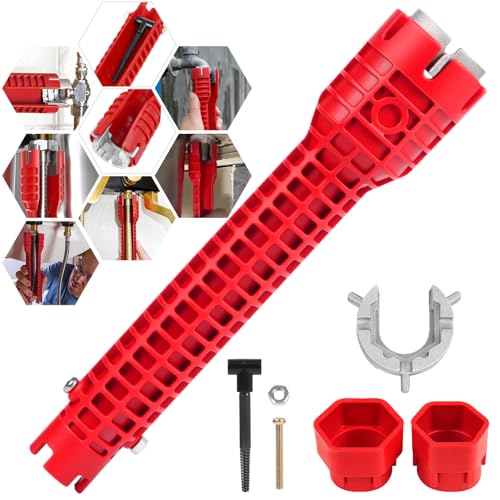
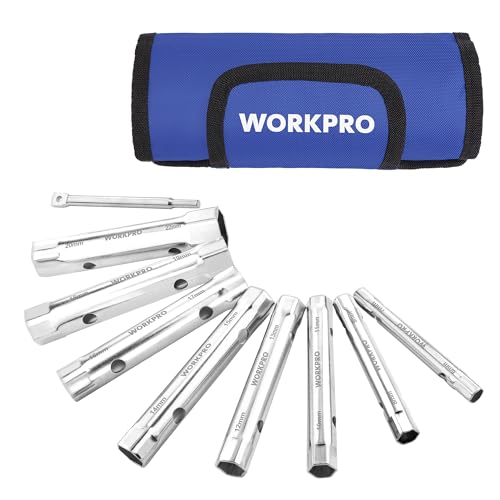
Shop Recommended Tools🛠️ Essential Tools for Bathroom Repair
- Adjustable wrench & pliers
- Plumber's tape (PTFE)
- Caulk gun & silicone sealant
- Grout saw & sponge
- Pipe wrench (for stubborn fittings)
💰 Average Repair Costs (DIY vs. Pro)
- Leaky faucet: $10–$30 (DIY) / $150–$300 (pro)
- Running toilet: $10–$25 (DIY) / $100–$250 (pro)
- Shower re-caulking: $20–$50 (DIY) / $200–$400 (pro)
- Full bathroom remodel: $8,000–$25,000+ (pro)
* Prices vary by region and materials.