How Do You Fix Low Water Pressure in a House?
Your complete guide to diagnosing and resolving low water pressure issues. Learn the common causes, step-by-step solutions, and when to call a professional plumber.
Low water pressure is one of the most frustrating home problems. Whether you're trying to shower, wash dishes, or water your garden, weak water flow can make daily tasks difficult. The good news is that most water pressure issues are fixable without calling a plumber.
In this comprehensive guide, we'll walk you through how to diagnose the root cause of low water pressure, provide step-by-step DIY solutions, and explain when it's time to hire a professional. By the end, you'll know exactly how to fix low water pressure in your house and restore normal water flow.
Quick Diagnostic Checklist
Before you start any repairs, run through this quick checklist to pinpoint the problem:
Single Fixture?
Is the low pressure affecting only one faucet or shower head?
Whole House?
Is the entire house experiencing low water pressure?
Hot or Cold?
Does the issue affect both hot and cold water, or just one?
Sudden or Gradual?
Did the pressure drop suddenly, or has it been getting worse over time?
Common Causes of Low Water Pressure
1. Clogged Faucet Aerators or Shower Heads
Mineral deposits from hard water can build up in aerators and shower heads, restricting water flow. This is the most common and easiest fix.
2. Water Pressure Regulator Issues
Most homes have a water pressure regulator where the main water line enters the house. If it's faulty, it can reduce pressure to the entire home. Regulators typically cost $150–$400 to replace.
Signs of a bad regulator include:
- Consistently low pressure throughout the house
- Fluctuating pressure (sometimes high, sometimes low)
- Water hammer noises when fixtures are turned off
3. Water Leaks in Your Plumbing System
Even a small leak can reduce water pressure significantly. Leaks can occur in visible pipes or hidden behind walls. If you suspect a leak, check your water meter and listen for running water when all fixtures are off.
4. Pipe Corrosion or Scale Buildup
Older homes with galvanized steel pipes often experience pipe corrosion and mineral scale buildup that narrows the pipe interior, reducing water flow. This is especially common in homes built before 1960.
Replacing old pipes costs $2,500–$8,000+ depending on the size of your home.
5. Partially Closed Main Water Valve
Sometimes the main water shutoff valve has been partially closed, restricting water flow. This can happen accidentally during other home improvement projects.
The main valve is usually located near your water meter or where the water line enters your house.
6. Municipal Water Supply Issues
Sometimes the problem isn't in your home at all. Your city's water main might have low pressure due to nearby construction, fire hydrant usage, or water main breaks. Check with your neighbors to see if they're experiencing the same issue.
Step-by-Step Fixes for Low Water Pressure
Step 1: Clean Faucet Aerators and Shower Heads
This is the simplest and most effective DIY fix for low water pressure:
- Unscrew the aerator from the faucet tip using pliers (wrap with tape to prevent scratches)
- Disassemble the aerator and soak all parts in white vinegar for 30 minutes to 2 hours
- Scrub with a toothbrush to remove remaining mineral deposits
- Rinse and reassemble
- For shower heads, soak the entire head in vinegar overnight
Step 2: Check and Adjust the Water Pressure Regulator
If your home has a water pressure regulator, follow these steps:
- Locate the regulator near where the main water line enters your house
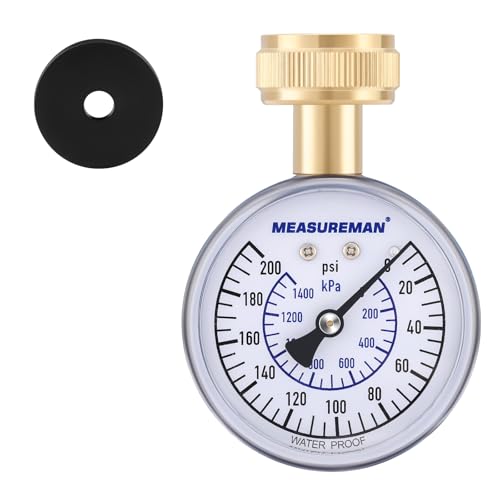
- Purchase a water pressure gauge (about $10–$20 at any hardware store)
- Attach the gauge to an outside hose bib and turn on the water
- Your pressure should be between 40–70 PSI (pounds per square inch)
- If pressure is below 40 PSI, adjust the regulator's screw (clockwise increases pressure)
- Turn the screw in small increments (1/4 turn) and recheck the pressure
Step 3: Locate and Fix Water Leaks
If you suspect a leak, here's how to find and fix it:
- Check all visible pipes under sinks and in the basement or crawl space
- Look for water stains on walls, ceilings, or floors
- Use your water meter to confirm leaks (as described above)
- For small leaks, use a pipe repair clamp or replace the damaged section
- For hidden leaks, you may need a professional plumber with specialized detection equipment
Step 4: Fully Open the Main Water Valve
Check your main water shutoff valve:
- Locate the valve (usually near the water meter or where water enters your house)
- Turn the valve counterclockwise until it stops
- If it's a gate valve, it should be fully open (handle parallel to the pipe)
- If it's a ball valve, the handle should be in line with the pipe
Advanced Solutions for Stubborn Low Water Pressure
🔧 Install a Water Pressure Booster Pump
If your incoming water pressure is consistently low (below 40 PSI), a water pressure booster pump can be a game-changer. These systems can increase water pressure by 20–50 PSI.
Typical cost: $800–$2,500 including installation
Booster pumps are especially beneficial for:
- Homes with well water systems
- Homes where the municipal supply is chronically low
- Multi-story homes where upper floors suffer from low pressure
🔨 Repipe Your Home
For older homes with galvanized steel pipes, repiping may be the only permanent solution. Modern copper or PEX pipes provide superior water flow and won't accumulate scale buildup.
Typical cost: $5,000–$15,000+ for a complete repiping of a standard home
Consider repiping if:
- Your home has original plumbing over 50 years old
- You've noticed rust-colored water or metallic taste
- Other solutions haven't resolved your water pressure issues
- You're planning a major home renovation and can combine projects
When to Call a Professional Plumber
While many low water pressure issues can be fixed DIY, some situations require a licensed plumber. Call a professional immediately if:
- You suspect a major water leak behind walls or under your foundation
- Your water pressure regulator needs replacement and you're uncomfortable doing it yourself
- You need to repipe significant portions of your home
- You've tried DIY fixes but the problem persists
- You notice water discoloration along with low pressure (could indicate corroded pipes)
Cost Summary: Fixing Low Water Pressure
Here's a breakdown of typical costs to fix low water pressure, from DIY solutions to professional repairs:
| Fix | Cost Range | DIY or Pro? |
|---|---|---|
| Clean faucet aerators / shower heads | $0 (household items) | DIY ✅ |
| Adjust water pressure regulator | $0 (DIY) – $100 (pro visit) | DIY or Pro |
| Small pipe repair (clamp or patch) | $15–$100 | DIY ✅ |
| Professional leak detection | $200–$500 | Pro 🔧 |
| Replace water pressure regulator | $150–$400 | Pro 🔧 |
| Install pressure booster pump | $800–$2,500 | Pro 🔧 |
| Complete home repiping | $5,000–$15,000+ | Pro 🔧 |
How to Prevent Low Water Pressure
🚰 Regular Aerator Maintenance
Clean faucet aerators and shower heads every 6 months to prevent mineral buildup.
💧 Monitor Your Water Pressure
Check your water pressure annually with a gauge to catch issues early.
🔧 Soften Hard Water
Consider a water softener to prevent scale buildup in your pipes and fixtures.
📋 Regular Inspections
Have your plumbing system inspected every 2–3 years, especially if you have older pipes.
Ready to Fix Your Low Water Pressure?
Most low water pressure issues can be resolved with simple DIY fixes. Start with cleaning your faucet aerators, check your water pressure regulator, and inspect for leaks. For persistent problems, consider professional help or upgrading your system with a booster pump.
Need the right tools? Check out our recommended products below to help you diagnose and fix your water pressure issues.