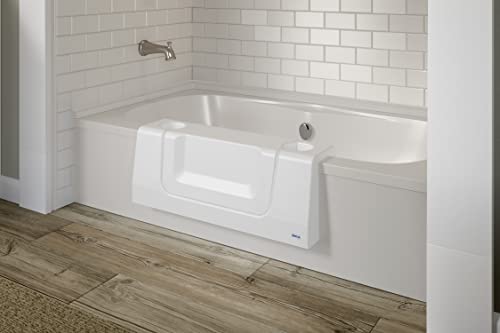
Bath Remodel: A Complete Guide to Planning, Building, and Enjoying Your New Bathroom
Whether you are refreshing a dated powder room or gutting a full master bath, this guide walks you through scoping, planning, budgeting, materials, and construction so you can remodel with confidence.
START PLANNING YOUR REMODELA bath remodel is one of the highest-impact improvements you can make to a home. It restores daily comfort, adds resale value, and modernizes tired fixtures that waste water and energy. The challenge is that bathrooms pack plumbing, electrical, ventilation, waterproofing, and finish work into a very small footprint, which means every decision influences the next. This guide is designed for homeowners in the research phase—people who already know they want a better bathroom and now need a clear, practical roadmap before committing to materials, labor, or a contractor.
We will cover how to define the scope, how to set a realistic budget using quality tiers rather than fixed figures, how the major components of a bathroom fit together, how to choose between DIY and professional help, and how to avoid the most common and costly mistakes. By the end, you should have a firm grasp of what a bath remodel really involves—so you can make confident decisions and move forward with your project.
Why a Bath Remodel Is Worth the Investment
Bathrooms are among the most-used rooms in any home and among the most scrutinized by buyers. A well-executed remodel improves functionality, safety, and aesthetics at the same time. Modern ventilation reduces moisture damage and mold risk. Updated plumbing fixtures cut water consumption. Slip-resistant flooring and better lighting make the room safer for children and older adults. And a thoughtfully designed layout can make even a small bath feel significantly larger.
From a resale perspective, bathroom upgrades consistently rank among the projects that return a meaningful portion of their investment. Buyers expect clean, dry, functional bathrooms; visible water damage, cracked tile, or outdated fixtures can lower offers or scare off buyers entirely. If you are still exploring how bathroom work fits into a broader renovation, our guide to renovating a bathroom gives useful context on what different scopes involve.
Improved Daily Function
Better storage, smarter layout, and modern fixtures make the room easier to use every single day.
Higher Resale Appeal
A clean, updated bathroom signals a well-maintained home and supports stronger offers.
Water and Energy Savings
Efficient toilets, showerheads, and LED lighting reduce ongoing utility use.
Moisture and Mold Control
Proper ventilation and waterproofing protect the structure and indoor air quality.
Step 1: Define the Scope of Your Bath Remodel
The single most important decision you will make is how far the remodel goes. Bathroom projects generally fall into three categories: cosmetic refresh, mid-scope remodel, and full gut renovation. Each has a different level of disruption, different permitting requirements, and different trade involvement. Understanding which category you are in prevents scope creep and helps you plan realistically.
- Cosmetic refresh. Paint, new fixtures, updated lighting, a new vanity top, and refreshed hardware. Plumbing and layout stay put. This is the fastest and least disruptive option and is often DIY-friendly.
- Mid-scope remodel. Replace the vanity, tub or shower surround, flooring, and tile. May involve relocating a fixture or two. Often requires a permit if plumbing or electrical changes are made.
- Full gut renovation. Everything comes out—walls, floors, plumbing, electrical. New layout, new waterproofing, new finishes. This is the most expensive and time-consuming option but delivers the most dramatic transformation.
If you are working within a tight timeline or want to minimize disruption, a focused approach may suit you better. Our article on a one-day bathroom renovation explains what can realistically be achieved in a short window. If you are weighing a larger structural change, such as converting an unfinished space into a bath, adding a master bathroom provides a useful comparison of what a new bathroom build involves versus a remodel.
Step 2: Set a Realistic Budget Using Quality Tiers
Budget is where most bathroom projects go off track. The most reliable way to plan is to think in terms of quality tiers rather than fixed figures, because material and labor markets shift over time. Use the following tier framework to align your expectations with your resources, then translate each tier into your own local context.
| Tier | Typical Scope | Material Character | Who It Suits |
|---|---|---|---|
| Entry-level / budget-friendly | Cosmetic refresh or light mid-scope | Stock vanities, ceramic tile, basic fixtures | Homeowners improving function before selling |
| Mid-range / mid-tier | Mid-scope remodel with some layout changes | Porcelain tile, semi-custom vanity, branded fixtures | Long-term owners who want durability and style |
| Premium / high-end | Full gut with upgraded finishes | Natural stone, custom cabinetry, designer fixtures | Master suites and luxury upgrades |
| Luxury / top-tier | Full gut with structural and custom work | Book-matched stone, custom millwork, smart fixtures | High-end homes and signature spaces |
Labor is typically the largest single line item in any bathroom project, and it scales with complexity. A mid-range remodel with a few layout changes usually costs more in labor than an entry-level refresh because it involves more trades, more inspections, and more time. For a deeper breakdown of what drives labor in a bathroom, see our guide on bathroom remodel cost per square foot. If your bathroom is on the smaller side, remodeling a small full bathroom covers how compact footprints change the equation.
Step 3: Understand the Core Components of a Bathroom
A bathroom is a system of interconnected parts. When one changes, others usually follow. Understanding the major components helps you sequence decisions and avoid costly rework.
Layout and Framing
The layout determines where plumbing runs, where doors swing, and how much usable space you have. Moving a toilet or shower drain is one of the most expensive changes in a bathroom because it affects the floor structure and drain slope. If your current layout works, keeping it usually saves significant labor.
Plumbing and Waterproofing
Plumbing is the backbone of the bathroom. Supply lines, drains, and venting must meet code and be accessible for future service. Waterproofing—especially in the shower and around the tub—is the single most important factor in long-term durability. A properly waterproofed shower uses a bonded membrane or a foam board system under the tile, not just cement board and paint-on sealer. Skipping this step is the most common cause of tile failure and hidden water damage.
Fixtures and Finishes
Fixtures include the toilet, sink, faucet, showerhead, and tub or shower base. Finishes include tile, flooring, paint, and cabinetry. Entry-level fixtures are functional and reliable; mid-range fixtures often offer better finishes, quieter operation, and improved water efficiency; premium and luxury fixtures add design character, advanced features, and longer service life. If your project centers on the shower, our guide to a bathroom and shower remodel goes deeper into shower-specific decisions.
Ventilation and Electrical
A properly sized exhaust fan is essential for moisture control. Electrical work—outlets, lighting, and GFCI protection—must meet code and is best handled by a licensed electrician. If you are planning to add outlets or upgrade lighting, coordinate this early so the walls do not need to be opened twice.
Step 4: Decide Between DIY and Hiring a Professional
Some bathroom work is genuinely DIY-friendly: painting, swapping a vanity top, replacing a faucet, or installing a new mirror and lighting. Other work—moving plumbing, installing a shower pan, waterproofing a wet area, running new electrical circuits, or altering structural framing—is best left to licensed professionals. The consequences of a failed shower waterproofing or an incorrectly vented drain are expensive to fix and can affect the health of the home.
A common and effective approach is a hybrid: act as your own project manager, handle demolition and cosmetic work yourself, and bring in licensed trades for plumbing, electrical, and waterproofing. This keeps you in control of the schedule while ensuring the critical systems are done correctly. If you decide to bring in help, our guide to bath renovation contractors explains how to evaluate bids, verify licensing, and structure a contract. For a broader perspective on choosing a professional, see bathroom contractors.
Step 5: Sequence the Project Correctly
Bathroom remodels fail when the sequence is wrong. The correct order protects your finishes and keeps inspections on track.
- Design and permits. Finalize the layout and obtain any required permits before demolition.
- Demolition. Remove old fixtures, tile, and drywall. Inspect for hidden damage.
- Rough-in plumbing and electrical. Move or replace supply lines, drains, and wiring. Get rough inspections signed off.
- Insulation and waterproofing. Install insulation, then waterproof the wet areas properly.
- Tile and flooring. Install tile and floor finishes before setting fixtures.
- Fixtures and cabinetry. Set the vanity, toilet, tub, and shower trim.
- Paint, trim, and final details. Finish painting, install mirrors, hardware, and accessories.
- Final inspection and cleanup. Complete any required final inspections and test everything.
Material lead times are a frequent source of delay. Order tile, cabinetry, and specialty fixtures early, and confirm delivery dates before demolition begins. If your project is part of a larger home update, the principles in our bathroom home improvement guide can help you coordinate the bathroom with adjacent rooms.
Common Bath Remodel Mistakes to Avoid
Most bathroom regrets come from a small number of avoidable mistakes. Watch for these:
- Skipping proper waterproofing. Cement board alone is not waterproof. Use a bonded membrane or foam board system.
- Moving plumbing unnecessarily. Relocating drains adds cost and complexity. Keep the layout if it works.
- Undersizing ventilation. A weak fan leaves moisture behind. Size the fan to the room and vent it outside.
- Choosing tile before the layout is final. Tile size and pattern depend on the wall dimensions and fixture placement.
- Ignoring storage. Plan for medicine cabinets, niches, and vanity storage before walls close up.
- No contingency. Hidden damage is common. Budget for it from the start.
Ready to Move From Research to Action?
Use the product recommendations below to compare fixtures, tools, and materials that fit your chosen quality tier. Each selection is aligned with the scope we discussed—entry-level, mid-range, and premium—so you can build a shortlist that matches your plan.
VIEW RECOMMENDED PRODUCTSFrequently Asked Questions About Bath Remodels
How long does a bath remodel take?
A typical full bath remodel takes three to six weeks depending on scope, material lead times, and whether structural or plumbing changes are involved. Cosmetic refreshes can finish in under a week. Plan for longer if you are ordering custom cabinetry or specialty tile.
Do I need a permit for a bathroom remodel?
Permits are generally required whenever you move plumbing, add electrical circuits, alter structural framing, or change the footprint. Cosmetic updates like paint and fixture swaps usually do not require one. Always confirm with your local building department before starting.
Should I hire a contractor or DIY my bath remodel?
Simple cosmetic updates are DIY-friendly. Plumbing relocation, waterproofing, electrical work, and structural changes are best handled by licensed professionals. A hybrid approach—managing the project yourself while hiring licensed trades for critical systems—often delivers the best balance of control and safety.
What is the most important part of a bathroom remodel?
Waterproofing and ventilation. These two elements protect the structure and indoor air quality, and failures in either area are expensive to fix later. Invest in them before spending on visible finishes.
Can I remodel a bathroom in stages?
Yes. Many homeowners phase a remodel by starting with cosmetic updates, then tackling the shower or vanity later. Phasing reduces upfront disruption but can cost more overall because of repeated labor and mobilization. Decide based on your timeline and budget tolerance.