Handyman Repair: A Complete Guide to Fixing Your Home Right
From leaky faucets and cracked drywall to sticking doors and broken fixtures, a skilled handyman repair service can restore your home's function and appearance. This guide helps you understand what handyman repair covers, how to decide between DIY and professional help, and what to expect from the process.
Explore Repair ServicesWhy handyman repair matters: Small problems rarely stay small. A dripping faucet can damage cabinets, a hairline drywall crack can signal settling, and a misaligned door can wear out its frame. A reliable handyman repair service addresses these issues before they escalate, protecting both your home's value and your peace of mind. Whether you need a quick fix or a scheduled maintenance visit, understanding the scope of handyman work helps you make smarter decisions.
What Does Handyman Repair Typically Cover?
Handyman repair services focus on non-specialized fixes that keep a home safe, functional, and well-maintained. Unlike licensed contractors who handle structural, electrical, or major plumbing work, a handyman is the go-to professional for the everyday repairs that accumulate over time. Here is a breakdown of the most common categories:
Drywall Patching & Painting
Nail pops, small holes, and hairline cracks are quick to repair with the right technique. A handyman can patch drywall, sand it smooth, and apply a matching coat of paint. For larger damage, see our drywall repair guide.
Plumbing Fixture Replacement
Replacing a faucet, showerhead, or garbage disposal is within a handyman's scope. These jobs require basic plumbing knowledge but do not involve rerouting pipes or opening walls. For more complex work, consult a licensed plumber.
Door & Window Adjustments
Sticking doors, loose hinges, and drafty windows are common handyman calls. Adjusting strike plates, replacing weatherstripping, and realigning tracks are straightforward repairs that improve comfort and energy efficiency.
Light Fixture & Ceiling Fan Swaps
Swapping an existing light fixture or ceiling fan for a new model is a routine handyman task when the wiring is already in place. New wiring or circuit additions require a licensed electrician.
Caulking & Sealing
Re-caulking tubs, sinks, and exterior joints prevents water intrusion and mold growth. This is one of the most cost-effective maintenance tasks a handyman can perform on a regular schedule.
Furniture Assembly & Mounting
Assembling flat-pack furniture, mounting TVs, and installing shelving are common handyman services. Proper anchoring prevents wall damage and safety hazards.
Gutter Cleaning & Minor Repairs
Clearing debris and tightening gutter brackets protect your roofline and foundation. For significant damage, a dedicated gutter repair specialist may be needed.
Deck & Fence Touch-Ups
Replacing loose boards, tightening railings, and applying stain are routine handyman tasks. Larger deck projects may require a carpenter or deck repair specialist.
DIY vs. Hiring a Handyman: How to Decide
The decision to tackle a repair yourself or call a handyman depends on three factors: your skill level, the tools you own, and the risk involved. Cosmetic fixes like patching small holes or replacing a toilet seat are safe for most homeowners. But when a repair involves water, electricity, or structural elements, the stakes rise quickly.
| Repair Type | Typical DIY Suitability | Handyman Recommended |
|---|---|---|
| Patching small drywall holes | High — basic tools and patience | No, unless the damage is extensive |
| Replacing a faucet or showerhead | Medium — requires basic plumbing knowledge | Yes, if you are unsure about supply lines |
| Adjusting a sticking door | High — simple hinge and strike plate work | Yes, for realignment or frame issues |
| Installing a new light fixture | Low to medium — electrical risk | Yes, if wiring is unfamiliar |
| Re-caulking a tub or sink | High — straightforward with the right caulk | No, unless mold is present |
| Mounting a TV or heavy shelf | Medium — depends on wall type | Yes, for safety and proper anchoring |
| Minor deck board replacement | Medium — requires some carpentry skill | Yes, if structural elements are involved |
A good rule of thumb: if a repair requires tools you do not own, skills you have not practiced, or involves systems you do not fully understand, a handyman is the safer and often more economical choice. For a broader look at what handymen can do, explore our handyman services list.
How to Choose a Reliable Handyman Repair Service
Finding a trustworthy handyman is about more than a quick online search. You want someone who is insured, experienced, and transparent about what they can and cannot do. Here is a practical checklist to guide your selection:
- Verify insurance and licensing: Ask for proof of liability insurance. Some states require handymen to hold a specific license or registration.
- Check reviews and references: Look for consistent feedback on punctuality, quality, and communication. A handyman with repeat customers is a good sign.
- Get a written estimate: A professional handyman will provide a clear scope of work and a written estimate before starting.
- Confirm the scope: Make sure the handyman is comfortable with your specific repair. Some tasks require a licensed specialist, and a good handyman will tell you so.
- Ask about warranties: Many handymen offer a workmanship warranty. Understand what is covered and for how long.
- Discuss scheduling and access: Confirm arrival windows, how long the repair will take, and whether you need to be home.
If you are searching for local help, start with our guide to handyman services near me and handyman for home repairs. For elderly homeowners or family members who need assistance, explore handyman services for the elderly and help for the elderly with home repairs.
Common Handyman Repairs and What to Expect
Understanding the typical process for common repairs helps you set realistic expectations and communicate clearly with your handyman. Here is a closer look at three of the most frequent handyman repair jobs:
Drywall Patching
Small holes and cracks are patched with joint compound, tape, and a sanding block. The process usually takes one to two hours for minor damage. Matching texture and paint can add time, especially on older walls. For extensive damage, our handyman sheetrock repair guide explains when to call a specialist.
Faucet and Fixture Replacement
Replacing a kitchen or bathroom faucet involves shutting off the water supply, disconnecting the old fixture, and installing the new one. A handyman will also check for leaks and ensure the supply lines are secure. This is a mid-range repair that typically takes under two hours.
Door and Window Adjustments
Sticking doors often need hinge lubrication, strike plate adjustment, or minor planing. Drafty windows may need new weatherstripping or caulk. These are entry-level repairs that improve comfort and reduce energy loss. If the issue is structural, a handyman will refer you to a carpenter or contractor.
For larger home improvement projects that go beyond handyman repair, such as home and improvement work or handyman and remodeling services, it is important to clarify the scope with your provider. Some handymen offer remodeling support, while others focus strictly on repairs and maintenance.
Ready to Tackle Your Home Repairs?
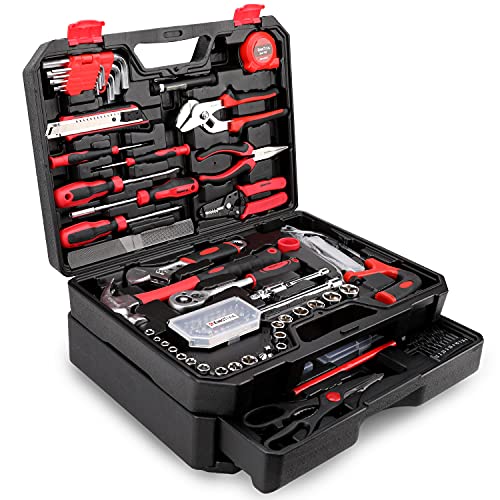
Explore our recommended handyman repair tools and supplies to handle common fixes safely and effectively.
View Recommended ToolsPreventive Maintenance: The Best Handyman Repair Strategy
The most effective way to reduce handyman repair costs is to prevent problems before they start. A seasonal maintenance routine catches small issues early and extends the life of your home's systems and finishes. Here are the key tasks to schedule:
Spring Maintenance
Inspect the roof for winter damage, clean gutters, check exterior caulking, and test outdoor faucets. These tasks prevent water intrusion and foundation issues.
Summer Maintenance
Check deck boards and railings, inspect window screens, and touch up exterior paint. Summer is also a good time to service HVAC systems before peak heat.
Fall Maintenance
Clean gutters again, seal gaps around doors and windows, and winterize outdoor plumbing. These steps prevent cold-weather damage and energy loss.
Winter Maintenance
Check for ice dams, inspect attic insulation, and test smoke and carbon monoxide detectors. Indoor tasks like caulking and painting are also easier in winter.
For homeowners who prefer a hands-off approach, many handyman services offer annual maintenance plans that cover these seasonal tasks. This is especially valuable for older homes or rental properties where deferred maintenance can become costly. If you are managing repairs for an elderly family member, our home handyman services overview explains how to set up a reliable maintenance schedule.
When Handyman Repair Is Not Enough
Handymen are skilled generalists, but some repairs require licensed specialists. Knowing the difference protects you from unsafe work and ensures your repair meets code requirements. Call a licensed professional when:
- Electrical work involves new circuits or panel changes: A licensed electrician should handle anything beyond swapping an existing fixture.
- Plumbing requires moving pipes or opening walls: Major plumbing changes need a licensed plumber and often a permit.
- Structural elements are compromised: Load-bearing walls, foundation issues, and roof framing require an engineer or licensed contractor.
- Permits are required: Many jurisdictions require permits for additions, structural changes, and major system work. A handyman cannot pull permits in most cases.
- Gas appliances are involved: Gas line work and appliance connections should always be handled by a licensed gas fitter.
If your project is larger than a repair, explore our guides on home addition contractors and general contractors to understand the next step. For bathroom or kitchen updates, handicap bathroom remodel contractors and small bathroom remodeling costs provide useful context.
Frequently Asked Questions About Handyman Repair
What does a handyman repair service typically cover?
A handyman repair service covers non-specialized home fixes such as drywall patching, door and window adjustments, caulking, minor plumbing like faucet replacements, light fixture swaps, furniture assembly, and general maintenance tasks.
When should I hire a handyman instead of doing the repair myself?
Hire a handyman when the repair involves skills or tools you do not own, when the job is physically demanding, when it affects structural or electrical systems, or when your time is better spent elsewhere. Simple cosmetic fixes are usually safe to DIY.
Is a handyman the same as a licensed contractor?
No. A handyman typically handles small-to-medium repairs and maintenance, while licensed contractors manage major renovations, structural work, and specialized electrical or plumbing systems that require permits.
How do I prepare for a handyman visit?
Clear the work area, secure pets, and have a list of all repairs ready. If you have replacement parts or fixtures, have them on hand. Be prepared to describe the issue clearly and point out any related problems you have noticed.
Can a handyman repair water damage?
A handyman can handle minor water damage like surface mold cleanup and caulking leaks. Significant water damage, mold remediation, and structural drying require specialized professionals to ensure safety and thoroughness.
Final Thoughts
Handyman repair is a practical, cost-effective way to maintain your home and address the small issues that can become big problems if ignored. By understanding what handymen can and cannot do, preparing for visits, and staying on top of preventive maintenance, you can keep your home safe, functional, and looking its best. Whether you need a one-time fix or an ongoing maintenance partner, a reliable handyman repair service is a valuable resource for every homeowner.
For more home repair guidance, explore our related articles on handyman services list, handyman services near me, and home handyman services.