Handyman for Home Repairs: Your Guide to Hiring the Right Pro
Discover how a skilled handyman can tackle your to-do list, save you time and money, and keep your home in top shape. Learn what services they offer, how to hire the right professional, and when to call in a licensed specialist.
EXPLORE HANDYMAN SERVICESWhy Every Homeowner Needs a Reliable Handyman
Homeownership comes with an ever-growing list of small repairs and maintenance tasks. From a squeaky door hinge to a leaky faucet, these minor issues can quickly pile up and become overwhelming. This is where a professional handyman for home repairs becomes an invaluable resource. A handyman is a skilled generalist who can handle a wide variety of tasks, saving you the time and hassle of coordinating multiple specialists for small jobs.
Whether you're a busy professional, a senior looking for help with home maintenance, or a DIY enthusiast who simply doesn't have the time, a handyman can be the perfect solution. They bring the tools, experience, and efficiency to get the job done right the first time. In this comprehensive guide, we'll walk you through everything you need to know about hiring a handyman, from the services they offer to the questions you should ask before making a hire.
Quick Tip: Before hiring a handyman, make a detailed list of all the repairs and maintenance tasks you need help with. This will help you get a more accurate estimate and ensure the handyman comes prepared with the right tools and materials.
What Services Does a Handyman for Home Repairs Offer?
Handymen are versatile professionals who can handle a broad range of tasks. While their exact services may vary depending on their skills and local regulations, most handymen offer the following:
🔧 General Repairs
Fixing squeaky doors, sticking windows, damaged drywall, and worn-out hardware. These are the everyday repairs that keep your home functioning smoothly.
🚿 Light Plumbing
Repairing leaky faucets, unclogging drains, replacing toilet flappers, and installing new showerheads or faucets. For major plumbing issues, a licensed plumber is recommended.
💡 Light Electrical
Replacing outlets and switches, installing light fixtures, and troubleshooting minor electrical issues. Complex electrical work should always be handled by a licensed electrician.
🎨 Painting & Patching
Touching up paint, patching small holes in drywall, and repainting a single room. This is a great way to refresh your home's interior without a full renovation.
🪑 Furniture Assembly
Assembling flat-pack furniture, mounting shelves, hanging pictures, and installing curtain rods. These tasks are quick and easy for a skilled handyman.
🌿 Seasonal Maintenance
Cleaning gutters, winterizing pipes, and performing seasonal home inspections to prevent costly damage down the line.
It's important to note that the scope of work a handyman can legally perform varies by state and local regulations. In some areas, handymen are restricted from doing certain types of work, especially anything that requires a permit or a licensed trade. Always check local requirements before hiring. For a more detailed breakdown of what to expect, explore our handyman services list.
When Should You Hire a Handyman Instead of a Specialist?
One of the most common questions homeowners ask is whether to hire a handyman or a licensed specialist. The answer depends on the nature and scope of the job. Here's a simple rule of thumb:
- Hire a handyman for small, non-structural repairs and maintenance tasks that don't require a permit. Examples include fixing drywall, painting, assembling furniture, and installing simple fixtures.
- Hire a licensed contractor for major renovations, structural work, or any project that requires a permit. This includes room additions, kitchen remodels, and bathroom renovations.
- Hire a licensed electrician for any electrical work beyond replacing a light switch or outlet. This includes installing new circuits, upgrading your electrical panel, or troubleshooting complex wiring issues.
- Hire a licensed plumber for major plumbing repairs, such as replacing pipes, installing a new water heater, or fixing sewer line issues.
If you're unsure whether your project requires a licensed professional, it's always better to err on the side of caution. A reputable handyman will be honest about the limits of their expertise and will refer you to a specialist if needed. For a deeper dive into this topic, check out our guide on DIY vs. hiring a pro.
How to Hire the Right Handyman for Your Home Repairs
Finding a reliable handyman is the key to a successful project. Here are the steps you should follow to ensure you hire the right professional for the job:
1. Ask for Recommendations
Start by asking friends, family, and neighbors for recommendations. A personal referral is often the most reliable way to find a trustworthy handyman. You can also check online reviews on platforms like Google, Yelp, or Angi.
2. Verify Insurance and Licensing
Always ask to see proof of insurance before hiring a handyman. This protects you in case of an accident or damage to your property. While handymen typically don't need a license for general repairs, some states or localities may require one. Check your local regulations to be sure.
3. Get a Written Estimate
Ask for a written estimate that outlines the scope of work, materials, and timeline. This will help you avoid misunderstandings and ensure that both parties are on the same page. Be wary of handymen who ask for a large upfront deposit before starting the work.
4. Check References
Don't be afraid to ask for references from previous clients. A reputable handyman will be happy to provide them. You can also check online reviews and ratings to get a sense of their reputation.
5. Start with a Small Job
If you're hiring a handyman for the first time, consider starting with a small job to gauge their quality of work and professionalism. If you're satisfied, you can then hire them for larger projects.
By following these steps, you can find a reliable handyman who will help you maintain and improve your home for years to come. For more tips on finding local professionals, see our guide on handyman services near me.
Handyman vs. Licensed Contractor: What's the Difference?
Understanding the difference between a handyman and a licensed contractor is crucial for making informed hiring decisions. Here's a quick comparison:
| Feature | Handyman | Licensed Contractor |
|---|---|---|
| Scope of Work | Small repairs, maintenance, and general tasks | Major renovations, structural work, and new construction |
| Licensing | Usually not required for general repairs | Required for most major projects |
| Permits | Typically not needed for small jobs | Often required for structural or major work |
| Insurance | Recommended but not always required | Required by law in most states |
| Typical Projects | Drywall repair, painting, furniture assembly, light plumbing | Room additions, kitchen remodels, bathroom renovations |
For projects that fall somewhere in between, such as a small bathroom remodel or a garage conversion, it's best to consult with both a handyman and a licensed contractor to determine the best approach. You can learn more about larger renovation projects in our guides on cost of remodeling a small bathroom and cost of garage remodel.
The Benefits of Hiring a Handyman for Home Repairs
Hiring a handyman offers numerous benefits for homeowners. Here are some of the most significant advantages:
- Time-Saving: A handyman can tackle multiple tasks in a single visit, saving you the time and hassle of coordinating multiple specialists.
- Cost-Effective: Handymen typically charge less than licensed specialists, making them a budget-friendly option for small repairs and maintenance tasks.
- Convenience: You don't need to buy specialized tools or learn complex techniques for every small repair. A handyman brings the tools and expertise to get the job done right.
- Preventive Maintenance: Regular handyman visits can help you catch small issues before they become major problems, saving you money on costly repairs down the line.
- Peace of Mind: Knowing that your home is in good hands gives you peace of mind and allows you to focus on the things you enjoy.
For elderly homeowners or those with limited mobility, a handyman can be a lifesaver. Many handymen offer specialized services for seniors, such as installing grab bars, improving lighting, and making other safety modifications. Learn more in our guide on handyman services for the elderly.
Ready to Tackle Your Home Repair To-Do List?
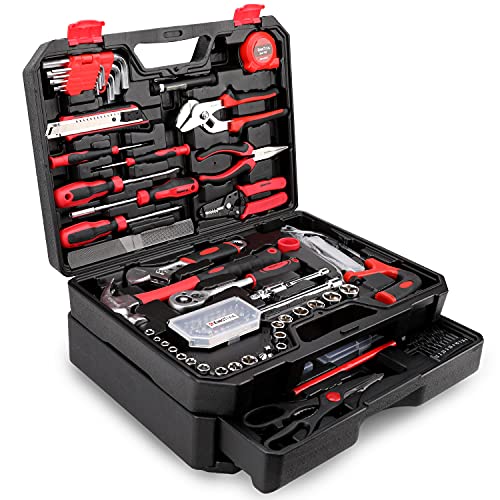
Don't let small repairs turn into big problems. Whether you need help with drywall repair, light plumbing, or seasonal maintenance, a professional handyman can help you get the job done right. Explore our recommended tools and products below to get started.
VIEW RECOMMENDED TOOLSFrequently Asked Questions About Handymen for Home Repairs
A handyman for home repairs is a skilled professional who handles a wide variety of maintenance and repair tasks around the house. Unlike licensed specialists, handymen typically perform non-structural, general repairs such as fixing drywall, repairing doors, installing fixtures, and performing seasonal maintenance.
Handymen can handle a broad range of tasks including drywall repair, painting, door and window adjustments, light plumbing (like fixing leaky faucets or unclogging drains), light electrical (like replacing outlets or installing light fixtures), furniture assembly, and general home maintenance.
Hire a handyman for smaller, non-structural repairs and maintenance tasks that do not require permits or licensed specialists. For major renovations, structural work, or projects involving complex electrical or plumbing systems, you should hire a licensed contractor.
Look for a handyman through personal referrals, online reviews, or local home service directories. Always verify that they have insurance, check their references, and get a written estimate before the work begins.
Handyman rates vary depending on your location, the complexity of the job, and the handyman's experience. Most handymen charge an hourly rate, while some charge by the job. It's always best to get a written estimate before the work begins to avoid any surprises.