Shower Replacement: A Complete Guide to a Modern Bath Upgrade
From choosing the right shower type and materials to hiring a qualified installer, this guide walks you through every step of a successful shower replacement project.
START YOUR SHOWER REPLACEMENTQuick Insight: A shower replacement is one of the most practical bathroom upgrades you can make. It restores function, improves water efficiency, and gives your bathroom a refreshed look. Understanding the options, installation process, and contractor selection will help you make a confident decision.
Why Shower Replacement Matters
Over time, shower pans crack, tile grout fails, and fixtures wear out. A shower replacement restores the waterproof envelope of your bathroom, prevents hidden water damage, and modernizes the space. It is also a smart move if you are preparing to sell your home or if your current shower no longer suits your needs.
Replacing a shower is not just a cosmetic task. It involves plumbing, waterproofing, and sometimes structural adjustments. If your current setup includes a tub-shower combo, you may want to review our guide on the cost to replace a tub shower combo with walk in shower to understand the transition. For broader renovation context, see our bathroom remodeling guide.
If you are renovating multiple areas at once, our home renovation 101 resource helps you sequence projects efficiently and avoid overlap between trades.
Types of Shower Replacement Projects
Shower replacement falls into a few common categories. Identify which best fits your situation before requesting proposals from contractors.
1. Like-for-Like Replacement
If your shower footprint is sound and plumbing is up to code, a like-for-like replacement swaps the pan, surround, and fixtures without changing the layout. This is the most straightforward approach and sits in the entry-level to mid-range tier depending on materials.
2. Shower Pan and Surround Replacement
When the shower pan is cracked or the surround is outdated, replacing these components refreshes the shower without moving plumbing. This is a balanced mid-tier project that often includes new waterproofing and tile.
3. Walk-In Shower Conversion
Removing a tub and installing a curbless or low-curb walk-in shower improves accessibility and style. This is a mid-range to premium project that requires careful waterproofing and often new framing. Our walk in shower conversion guide breaks down the scope.
4. Full Bathroom Renovation
If the shower replacement is part of a larger bathroom overhaul, you can reimagine the entire layout. This is a premium-tier undertaking that coordinates plumbing, electrical, tile, and cabinetry. Start with our bathroom remodeling overview.
Choosing Materials for Your New Shower
Material selection determines durability, appearance, and maintenance. Focus on moisture resistance and proper waterproofing above all else.
- Shower Pan: Acrylic and fiberglass pans are entry-level to mid-range options that are lightweight and easy to clean. Tile-ready pans with a bonded waterproof membrane sit in the premium tier for their design flexibility.
- Wall Surround: Acrylic surrounds are a durable mid-range choice. Tile and stone provide a premium aesthetic but require proper waterproofing and sealing.
- Glass Enclosures: Frameless glass is a premium upgrade that improves visibility and ease of cleaning. Semi-frameless enclosures are a balanced mid-tier option.
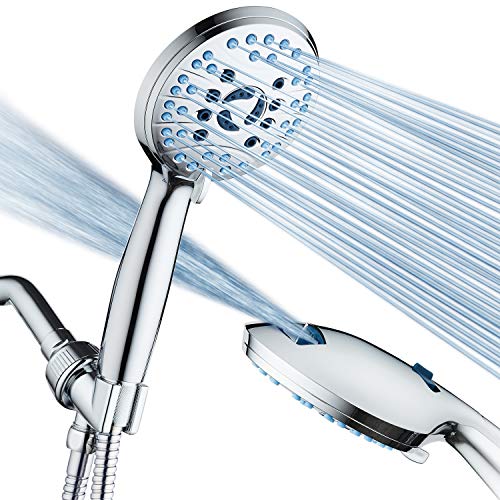
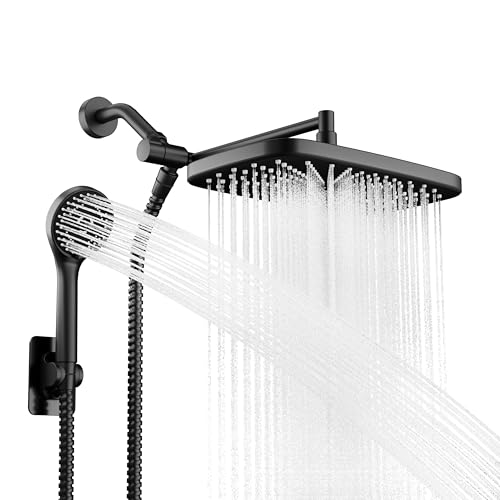
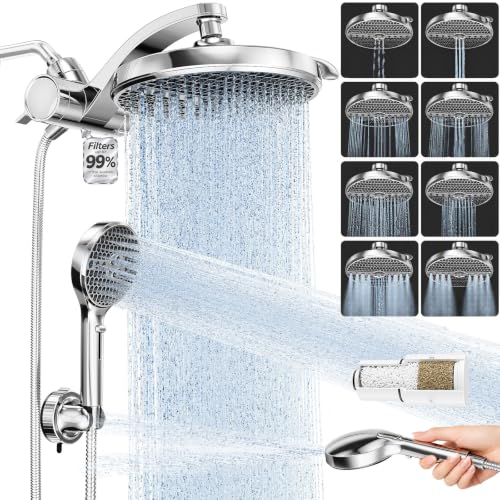
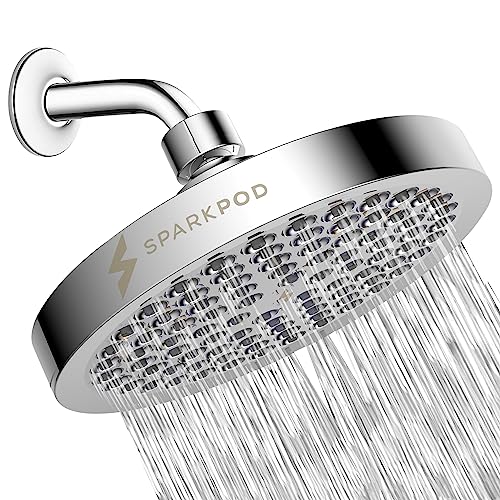
- Fixtures: Standard pressure-balance valves are reliable mid-range choices. Thermostatic valves and rain heads fall in the premium tier for their comfort and control.
- Drainage: Linear drains are a premium feature that improves aesthetics and water flow. Standard center drains are the essential-tier baseline.
If your replacement extends to vanity areas, our bathroom vanity ideas guide helps coordinate finishes. For flooring updates that complement the new shower, see our flooring installation resource.
Step-by-Step Shower Replacement Process
Understanding the sequence of a shower replacement helps you plan timelines and communicate with your contractor. Here is the typical flow.
- Assessment and permits: A contractor inspects existing plumbing and framing. Permits are pulled if plumbing or structural changes are involved. Our home renovation permit guide explains when permits are required.
- Demolition: The old shower pan, surround, and fixtures are removed. Any water damage is addressed before new installation begins.
- Plumbing rough-in: Valve and drain locations are adjusted as needed. A licensed plumber handles any changes to supply or drain lines.
- Waterproofing: A bonded waterproofing membrane is applied to walls and floor. This is the most critical step for long-term performance.
- Pan and tile installation: The new shower pan is set, followed by tile or surround panels.
- Fixture and glass installation: The valve trim, showerhead, and glass enclosure are installed. Final inspection and cleanup complete the project.
Most shower-only replacements take one to three weeks, depending on material lead times and inspection schedules.
How to Hire the Right Shower Replacement Contractor
Because showers are high-moisture environments, the quality of installation matters as much as the products. Follow these steps to vet contractors before signing an agreement.
- Verify licensing and insurance. Ask for proof before any work begins.
- Review local portfolios. Look for completed shower replacements similar to yours.
- Request itemized proposals. A professional will separate labor, materials, and allowances clearly.
- Check references and reviews. Speak with past clients about timelines and communication.
- Confirm warranty terms. Labor warranties matter as much as product warranties.
For a deeper dive, read our guide on how to find a good home remodeling contractor. You can also browse local listings for bathroom remodelers near me and bathroom remodeling contractors. If your project expands beyond the shower, consider general contractors near me or a design build contractor for a fully coordinated remodel.
Plumbing is the backbone of any shower replacement. If you suspect issues with supply lines or drainage, connect with a plumbing contractor near me for an assessment before demolition begins. Our plumbing guides can help you ask the right questions.
Common Mistakes to Avoid in Shower Replacement
Even well-intentioned homeowners make avoidable errors. Keep these pitfalls in mind as you plan.
- Skipping proper waterproofing. This is the number one cause of shower failures. Never accept a shortcut without a membrane system.
- Choosing style over drainage. Poor slope or undersized drains lead to standing water. Insist on correct pitch and drainage design.
- Hiring the lowest proposal without vetting. A professional-grade installation is worth the balanced-tier investment. Compare scope and warranties, not just the proposal total.
- Ignoring the rest of the bathroom. A new shower next to a dated vanity looks unfinished. Coordinate finishes across the room using resources like our bathroom remodeling guide.
- Forgetting permits. Many municipalities require permits for plumbing changes and structural work. Review our home renovation permit guide early.
For a comprehensive look at how shower work fits into a broader project, see our bathroom remodeling overview and the bathroom remodeling company directory.
Frequently Asked Questions About Shower Replacement
How long does a shower replacement take?
Most shower-only replacements take one to three weeks. Material availability and inspection schedules are the biggest variables.
Do I need a permit to replace my shower?
Permits are typically required when you move plumbing, change the shower footprint, or alter electrical work. Check with your local building department or ask your contractor. Our permit guide explains the common triggers.
Can I replace a shower without replacing the pan?
In some cases, yes, if the pan is in good condition and properly waterproofed. However, if the pan is cracked or the waterproofing has failed, replacing the pan is the safer long-term choice.
What is the best shower pan material?
Acrylic and fiberglass pans are popular mid-range choices because they are durable and easy to maintain. Tile-ready pans with a waterproof membrane are a premium option for design flexibility.
How do I choose a local shower replacement contractor?
Verify licensing, insurance, local references, and waterproofing expertise. Browse bathroom remodelers near me and read our contractor vetting guide before signing anything.
Next Steps for Your Shower Replacement
You now have a clear framework for planning a shower replacement. Start by defining your scope, then gather two or three proposals from vetted local contractors. Compare their waterproofing methods, material recommendations, and warranty terms side by side. For larger projects that touch the rest of the bathroom or home, our bathroom remodeling and home renovation resources provide the context you need.
When you are ready to explore products that complement your replacement — from pans and surrounds to fixtures and tools — the recommended picks below can help you make confident choices.