Best Things to Do to Add Value to Your Home
Smart improvements that combine lasting appeal with strong returns. Learn which upgrades matter most, how to prioritize them, and where to focus your effort for the greatest impact.
Explore the StrategyWhy value matters: Whether you are planning to sell soon or simply want to enjoy a better home, the right improvements protect your investment and improve daily life. Focus on projects that combine low maintenance, broad buyer appeal, and durable materials — those are the upgrades that hold value across market cycles.
High-Impact Upgrades That Consistently Add Value
Not every renovation returns its investment. The improvements below are widely recognized for delivering strong, durable value because they address the things buyers and appraisers consistently prioritize: function, efficiency, and curb appeal.
- Kitchen refresh: A well-planned kitchen update — new cabinet fronts, improved lighting, and a modern countertop — often delivers some of the best returns. Focus on layout improvements and durable finishes rather than trendy details that date quickly.
- Bathroom upgrades: Simple changes like a new vanity, updated fixtures, or a walk-in shower conversion can transform a dated space. Even a modest bathroom makeover ranks among the best things to do to add value to your home.
- Energy efficiency: Sealing air leaks and improving insulation — from whole-home air sealing to attic insulation — reduces utility bills and appeals to efficiency-conscious buyers.
- Curb appeal: Landscaping, a fresh front door, and clean siding are low-cost, high-visibility improvements that shape first impressions.
- Functional additions: Adding usable space — such as finishing an attic or a thoughtfully planned home addition — increases livable square footage and long-term resale potential.
Matching Your Investment to Your Goals
Improvements fall into different tiers of investment and return. Use the framework below to decide where to focus based on your timeline and priorities.
Budget-Friendly Refresh
Paint, caulking, hardware swaps, and deep cleaning. These low-effort projects improve perceived quality and are the fastest way to make a home feel well maintained.
Targeted Renovations
Bathroom and kitchen refreshes, insulation upgrades, and lighting improvements. These offer a strong balance of effort, disruption, and return — ideal for most homeowners.
Major Remodels
Full kitchen remodels, additions, and structural improvements. These demand careful planning and professional guidance, but can substantially increase both value and livability.
Room-by-Room Priorities
Buyers and appraisers weigh certain rooms more heavily. Concentrate your effort where it will be noticed:
- Kitchen: The most scrutinized room. Focus on function, storage, and durable surfaces. Compare local kitchen remodelers before committing to a major project.
- Bathrooms: Small spaces with big influence. Even a bathroom remodeling idea implemented thoughtfully can lift perceived value significantly.
- Living areas: Open, bright, and neutral spaces appeal broadly. Consider accent wall ideas to add character without overcommitting to a bold palette.
- Outdoor spaces: Decks, patios, and tidy landscaping extend usable living space and boost curb appeal.
Improvements With the Strongest Return on Investment
If your goal is purely financial, prioritize the following. These are widely cited as the best home improvements for return on investment:
- Garage door replacement and entry door upgrades — high visual impact with modest effort.
- Manufactured stone veneer and siding updates — durable curb appeal with strong resale performance.
- Minor kitchen and bathroom remodels — targeted updates that avoid over-improving for the neighborhood.
- Attic insulation and air sealing — quiet efficiency gains that pay back year after year.
For a deeper comparison of which projects return the most, see our guide on the best home improvements to increase home value and our overview of the best things to do to increase the value of your home.
Mistakes That Can Undermine Value
- Over-improving for the neighborhood: A luxury kitchen in an entry-level area rarely returns its full cost.
- Trend-driven finishes: Highly personal or faddish choices can date quickly and narrow buyer appeal.
- Skipping permits: Unpermitted work can create complications during inspection and appraisal. Understand typical basement finishing considerations before starting structural work.
- Neglecting maintenance: Deferred upkeep — a leaky faucet, worn caulk, or dirty ducts — signals risk to buyers. Prioritize AC maintenance and routine upkeep.
Planning Your Value-Boosting Project
Before starting, define your goal. Are you improving for resale within a few years, or investing in long-term enjoyment? The answer shapes which projects make sense. For major work, gather multiple quotes and verify licensing. Our guides on bathroom remodeling costs and average renovation costs per square foot help you compare estimates without relying on guesswork.
If you plan to hire a professional, learn how to find a reliable contractor and request itemized bids so you can compare scope, not just totals.
Frequently Asked Questions
What is the single best thing to do to add value to my home?
There is no universal answer, but kitchen and bathroom refreshes are consistently strong performers. If your budget is limited, focus on cosmetic improvements — paint, hardware, lighting, and curb appeal — which deliver high visible impact for modest effort.
Should I renovate before selling or let the buyer handle it?
Cosmetic improvements and repairs usually pay off before a sale because they remove buyer objections. Major remodels are riskier — you may not recoup the cost in every market. Focus on fixes and neutral updates unless the home is clearly underperforming.
How much should I spend on value-boosting renovations?
A common guideline is to keep improvement spending proportionate to the neighborhood's typical home value. Over-improving limits returns. Use mid-tier descriptors — entry-level, mid-range, and premium — to compare options objectively rather than chasing a specific number.
Do energy-efficient upgrades really add value?
Yes. Insulation, air sealing, and efficient HVAC systems reduce operating costs and appeal to buyers concerned about long-term expenses. These improvements are durable and remain relevant regardless of market trends.
Is finishing a basement a good way to add value?
Often, yes — finishing a basement adds usable living space and can improve resale potential, especially when a bathroom is included. However, the return depends on local demand and the quality of the work. Review basement finishing costs and plan carefully before committing.
Final Thoughts
The best things to do to add value to your home are the ones that balance broad appeal, durable materials, and functional improvements. Start with low-effort cosmetic upgrades, then layer in targeted renovations in high-impact rooms. Whether your goal is resale or long-term enjoyment, investing in maintenance, efficiency, and curb appeal is the surest path to protecting and growing your home's value.
Recommended Tools for Value-Boosting Home Improvements
⚠️ AFFILIATE DISCLOSURE: This website contains affiliate links. As an Amazon Associate, we earn from qualifying purchases. If you make a purchase through these links, we may receive a small commission at no additional cost to you. Read our full affiliate policy.

How To Add Value To Your Home
Check price on Amazon
The Art of Home Improvements That Add Value: What to Upgrade, What to Avoid, and How to Get the Best Return on Your Investment
Check price on Amazon
Back to Basics: A Complete Guide to Traditional Skills (Back to Basics Guides)
Check price on Amazon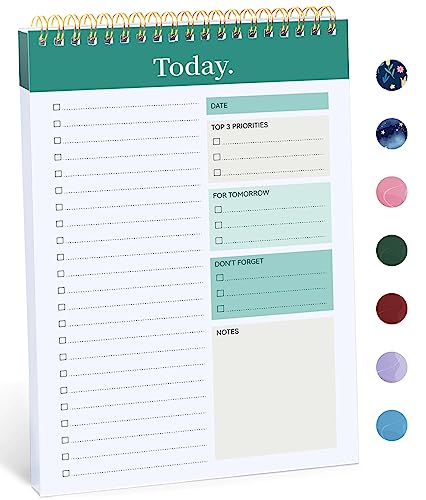
Taja To Do List Notepad, Undated Daily Planner for Work and Goal Setting | Greenery Sway, 52 Sheets, 9.8" x 6.5" , for Office, Home and school, Daily Task Planning, Notes and Everyday Organization
Check price on Amazon
Complete Protect: One plan covers eligible past & future Amazon Purchases
Check price on Amazon
Thboxes 2 Pack To Do List Notepad, A5 Undated Daily Planner Task Checklist | Undated Daily Task Planner, 208 Pages Notebook, for Home, Office, Travel, Work, College Essentials & College School Supplies
Check price on Amazon