Bathroom Remodel with Walk In Shower: The Ultimate Guide
Discover everything you need to know about transforming your bathroom with a stunning walk-in shower. From design inspiration and material selection to budgeting and hiring professionals, we cover it all.
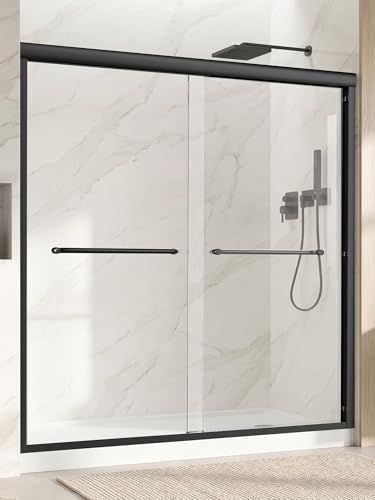
Start Planning Your RemodelWhy a Walk-In Shower? A walk-in shower is the centerpiece of a modern bathroom remodel. It offers accessibility, a sleek aesthetic, and can significantly increase your home's value. Whether you're aging in place or simply desire a spa-like retreat, this guide helps you navigate every step.
1. Planning Your Walk-In Shower Remodel
Proper planning ensures your project stays on track and within budget. Start by defining your goals: are you looking for a luxurious spa feel, or do you need a barrier-free design for accessibility? Consider the layout, shower size, and whether you want a curbless entry. Explore more bathroom improvement ideas to inspire your design.
Measure your existing space carefully. A typical walk-in shower requires at least 36x36 inches, but 48x48 inches or larger provides a more comfortable experience. Don't forget to plan for storage, seating, and proper lighting.
2. Cost Breakdown for a Walk-In Shower Remodel
Understanding costs is crucial. On average, a bathroom remodel with a walk-in shower ranges from $6,000 to $18,000, depending on materials, labor, and complexity. Below is a typical cost breakdown:
For a more detailed estimate, consult our bathroom renovation cost guide. Remember, prices vary by region and quality of materials.
3. Choosing Materials & Finishes
Selecting the right materials is key to durability and style. Popular options include ceramic or porcelain tiles for the floor and walls, natural stone for a luxurious feel, and glass or acrylic for the shower enclosure. For a modern look, consider large-format tiles and minimal grout lines.
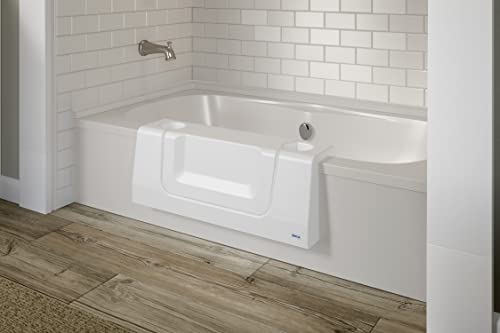
Don't overlook the importance of proper waterproofing. Use a high-quality membrane and sealant to prevent leaks. For flooring, choose slip-resistant tiles to ensure safety. Learn more about tub-to-shower conversions if you're replacing a bathtub.
Fixtures like showerheads, faucets, and drains should be both functional and stylish. Rain showerheads, handheld wands, and thermostatic valves are popular choices.
4. DIY or Hire a Professional?
While some aspects of a bathroom remodel are DIY-friendly, a walk-in shower installation often requires professional expertise. Plumbing, electrical work, and waterproofing are complex and mistakes can be costly. Hiring a licensed contractor ensures the job is done right and up to code.
If you're planning a full remodel, consider working with a bathroom remodeling company near you. They can manage the entire project, from design to completion, saving you time and stress. For smaller tasks, like installing a new showerhead or painting, you might tackle those yourself.
5. Step-by-Step Remodeling Process
Here's a typical workflow for a bathroom remodel with a walk-in shower:
- Demolition: Remove existing fixtures, tile, and drywall.
- Plumbing Rough-In: Relocate or install new plumbing lines.
- Electrical: Install lighting, exhaust fan, and outlets.
- Waterproofing: Apply membrane and sealant to the shower area.
- Tile Installation: Set floor and wall tiles.
- Fixtures & Glass: Install shower pan, drain, fixtures, and glass enclosure.
- Finishing: Add trim, paint, and final touches.
Each step requires careful attention to detail. For a seamless experience, hire a general contractor who can coordinate all trades.
6. Benefits & Return on Investment
A well-executed bathroom remodel with a walk-in shower offers numerous benefits:
- Accessibility: Curbless designs are perfect for aging in place or individuals with mobility issues.
- Aesthetics: Creates a spacious, modern look that enhances your home's appeal.
- Value: Bathroom remodels typically recoup 60-70% of their cost in home value.
- Comfort: Enjoy a spa-like experience every day.
If you're considering a full home renovation, explore our comprehensive remodeling guide for more insights.
Pro Tip: Always budget an extra 10-15% for unexpected issues like water damage or outdated wiring. This cushion will keep your project stress-free.