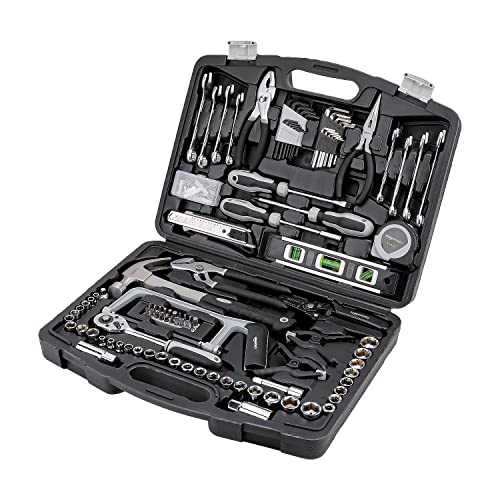
Your Complete Home Remodeling Guide
From kitchen and bathroom renovations to full home additions — discover costs, ideas, and expert tips to plan your dream remodel with confidence.
Why Home Remodeling is a Smart Investment
Home remodeling is one of the most effective ways to increase your property's value, improve your daily living experience, and modernize outdated spaces. Whether you're planning a kitchen renovation, a bathroom remodel, or a full home improvement project, the key to success lies in careful planning, realistic budgeting, and choosing the right professionals.
Beyond aesthetics, a well-executed remodel can enhance energy efficiency, improve functionality, and address safety concerns. According to industry data, what renovations add the most value to a home are kitchen updates, bathroom upgrades, and adding usable square footage.
Most Popular Remodeling Projects
1. Kitchen Renovation
The kitchen is the heart of the home, and it's also the most popular room to remodel. If you're wondering what is the average cost to remodel a kitchen, expect to spend between $20,000 and $75,000 depending on the size and scope. For a full high-end renovation with custom cabinets and premium appliances, costs can exceed $100,000.
Key cost drivers include how much does it cost to install new cabinets, countertop materials, flooring, and labor. A minor kitchen refresh with new hardware, paint, and updated lighting can be done for as little as $5,000–$10,000.
💡 Pro Tip: If you're on a budget, consider kitchen cabinet refacing instead of full replacement. It costs about 50% less than new cabinets and can dramatically change the look of your kitchen. Ask yourself how much does it cost to reface your cabinets — typically $4,000–$9,000.
2. Bathroom Remodeling
Bathrooms are the second most popular remodeling project. Whether you're planning a small bathroom renovation or a luxurious master bath upgrade, understanding costs is essential. How much does a full bathroom renovation cost? On average, $20,000–$35,000 for a standard 5x8 bathroom, with luxury projects reaching $50,000+.
For those with accessibility needs, bathroom remodeling for handicap accessibility can include walk-in tubs, grab bars, and wider doorways. These modifications not only improve safety but can also increase home value.
If you're considering a shower upgrade, how much does it cost to renovate a shower ranges from $1,500 for a simple update to $10,000+ for a custom tile shower with glass enclosure.
3. Home Additions
Adding square footage is one of the most effective ways to increase home value. If you're wondering how much to build an addition per square foot, expect to pay between $150 and $300 per square foot, depending on complexity, materials, and your location.
Common additions include average cost to add on a bedroom and bathroom, which typically ranges from $30,000 to $80,000, or expanding a living area with a sunroom or family room.
4. Basement Finishing
An unfinished basement offers tremendous potential. Average cost to finish an unfinished basement is around $20,000–$50,000, depending on size and whether you add a bathroom or kitchenette. Finished basements can add significant living space and boost your home's resale value.
Estimated Remodeling Costs (2026)
Below are average price ranges for common remodeling projects. Actual costs vary based on location, material choices, and labor rates.
For more detailed cost breakdowns, explore our kitchen remodeling cost guide or bathroom remodeling cost estimator. Understanding these numbers upfront will help you set a realistic budget.
How to Plan Your Remodel & Choose the Right Contractor
Step 1: Define Your Goals
Before you start, ask yourself: What do I want to achieve with this remodel? Are you looking to increase home value, improve functionality, update an outdated style, or all of the above? Knowing your goals will guide every decision, from design to materials to budget.
Step 2: Set a Realistic Budget
Research average costs for your specific project. For example, if you're wondering how much does a bathroom remodel usually cost, the national average is around $25,000. Use resources like our bathroom remodel budget guide to help set your spending target.
Always include a 15–20% contingency fund for unexpected issues like water damage, outdated wiring, or structural surprises that can arise during demolition.
Step 3: Find the Right Professionals
Hiring the right home remodeling contractors near me can make or break your project. Look for licensed, insured, and experienced contractors with positive reviews. For specialized work, you may need kitchen remodel design experts, bathroom remodeling companies near me, or home remodeling construction companies near me.
🔑 Key Tip: Always get at least 3 detailed quotes. Ask for references, check their portfolio, and verify licenses. A trustworthy home improvement contractor will be transparent about costs, timelines, and potential challenges.
Step 4: Secure Permits
Most major remodels require permits. Your contractor should handle this, but it's important to understand what's needed. Structural changes, electrical work, plumbing, and HVAC modifications typically require permits. Skipping this step can lead to fines and issues when selling your home.
Step 5: Plan for Living During the Remodel
Remodeling can be disruptive. For kitchen renovations, set up a temporary kitchen with a microwave, toaster oven, and mini-fridge. For bathroom remodels, arrange access to another bathroom if possible. Discuss timeline and dust control measures with your contractor.
Which Remodels Offer the Best ROI?
Not all renovations are created equal when it comes to return on investment. According to industry experts, the following projects typically offer the highest ROI:
- Minor Kitchen Remodel: 70–80% ROI — updating countertops, cabinets, and appliances pays off.
- Bathroom Remodel: 60–70% ROI — especially if you tub-to-shower conversions or update fixtures.
- Adding a Bedroom & Bathroom: 55–65% ROI — but adds significant living space.
- Basement Finishing: 50–60% ROI — adds usable square footage.
- Replacing Windows & Doors: 65–75% ROI — improves energy efficiency and curb appeal.
To maximize your investment, focus on projects that align with your neighborhood's standard. Over-improving above the area's average may not yield a full return. Learn more about what home improvements add value to your home before making final decisions.
Frequently Asked Questions About Home Remodeling
How long does a typical remodel take?
A kitchen remodel typically takes 4–8 weeks, while a bathroom remodel takes 3–6 weeks. Major additions can take 3–6 months. Timelines depend on scope, permit approvals, and material availability.
Can I live in my home during the remodel?
Yes, but expect some inconvenience. Discuss with your contractor how dust, noise, and access will be managed. For major structural work, you may want to consider temporary relocation.
What if I find unexpected issues during demolition?
This is common. Old wiring, plumbing, or structural damage can add to costs. That's why we recommend a contingency fund of 15–20%. A good contractor will communicate any issues promptly and provide solutions with updated estimates.
Should I DIY or hire a professional?
DIY is great for smaller projects like painting, hardware updates, or simple fixtures. However, for structural, electrical, or plumbing work, always hire licensed professionals. Mistakes can be costly and dangerous. If you're unsure, consult with a contractor for home renovation to assess your project.
Ready to Start Your Remodeling Project?
From kitchen renovations to full home additions, we have the guides and resources you need to plan, budget, and execute your dream remodel. Explore our comprehensive home remodeling resources and find the right professionals near you.