How Much Does a Full Bathroom Renovation Cost?
A complete guide to understanding bathroom renovation expenses, material tiers, labor considerations, and smart planning strategies for every budget level.
Planning a bathroom renovation? You are likely researching costs before committing to a contractor or purchasing materials. This guide breaks down the key cost factors, compares quality tiers, and helps you understand where your investment goes — so you can plan with confidence and avoid surprises.
Understanding What Drives Bathroom Renovation Costs
A full bathroom renovation involves multiple layers of work: demolition, plumbing, electrical, waterproofing, tiling, fixture installation, and finishing. Each layer contributes to the overall project cost. Unlike a cosmetic refresh, a full renovation typically replaces the majority of visible surfaces and may involve updating the underlying systems.
The final cost depends on several interconnected factors. The size of the bathroom sets the baseline for material quantities and labor hours. The quality tier of materials — entry-level, mid-range, or premium — determines a significant portion of the budget. Whether you relocate plumbing fixtures or keep the existing layout affects both material and labor expenses. And your choice between DIY and professional installation changes the labor component dramatically.
For a broader understanding of how renovation costs scale across different project types, you can explore guides on complete home renovation costs and renovation cost per square foot. These resources help contextualize bathroom costs within the larger home improvement landscape.
Material Tiers: Entry-Level, Mid-Range, and Premium
One of the most effective ways to understand bathroom renovation costs is to think in terms of quality tiers rather than fixed numbers. Material and fixture choices fall into three broad categories, each offering different levels of durability, aesthetics, and functionality.
Entry-Level
Budget-friendly materials that meet basic functional needs. Includes standard ceramic tiles, basic fixtures, and laminate or vinyl flooring. Suitable for rental properties or short-term updates where cost control is the priority.
Mid-Range
Balanced quality and value. Features porcelain tiles, solid-surface countertops, mid-tier fixtures with better finishes, and durable waterproofing systems. The most common choice for primary bathroom renovations.
Premium
High-end materials and craftsmanship. Includes natural stone tiles, custom cabinetry, luxury fixtures, heated flooring, and advanced shower systems. Ideal for master bathrooms and high-value homes.
These tiers are relative and not tied to specific currencies or market prices. They describe the positioning of materials and fixtures within the broader market. For example, a mid-range tile offers better durability and design consistency than an entry-level option, while a premium tile provides superior finish and long-term performance.
When planning your renovation, consider the expected lifespan of each material. Entry-level fixtures may need replacement sooner, while premium options often last decades. The right tier depends on your goals: maximizing immediate savings, achieving a balanced long-term investment, or creating a luxury retreat. You can also explore resources on average bathroom remodel costs for additional context.
Cost Breakdown by Renovation Component
A full bathroom renovation is not a single expense but a collection of interconnected components. Understanding each component helps you allocate your budget effectively and identify where you can save without compromising quality.
Demolition and Preparation
Removing old fixtures, tiles, and flooring is the first step. This phase includes disposing of debris, inspecting for hidden damage, and preparing the subfloor and walls. While it may seem straightforward, proper demolition prevents future issues and ensures a clean foundation for new installations.
Plumbing and Electrical Work
If you are keeping the existing layout, plumbing costs are moderate. Relocating a toilet, sink, or shower significantly increases labor and material expenses. Electrical work — including lighting, exhaust fans, and outlet placement — is essential for safety and functionality. Licensed professionals are recommended for both plumbing and electrical work to ensure code compliance.
Water pressure issues can also affect renovation decisions. If your current bathroom suffers from weak flow, you may need to address underlying plumbing. Guides on increasing water pressure at home and fixing low water pressure provide useful insights.
Waterproofing and Substrate
Proper waterproofing is critical in wet areas. This includes applying membrane systems, sealing joints, and ensuring proper drainage slopes. Skipping or cutting corners on waterproofing leads to mold, structural damage, and costly repairs later. This is not an area to compromise on, regardless of your overall budget tier.
Tiling and Flooring
Tile selection significantly impacts both aesthetics and cost. Entry-level ceramic tiles are budget-friendly but may lack design variety. Mid-range porcelain tiles offer better durability and design options. Premium natural stone tiles provide unique character but require more maintenance and skilled installation. Flooring choices follow a similar tier structure, with luxury vinyl and laminate at the entry-level and heated stone floors at the premium end.
Fixtures and Fittings
Fixtures include the toilet, sink, showerhead, faucets, and accessories. Entry-level fixtures focus on basic functionality, mid-range fixtures balance design and durability, and premium fixtures offer advanced features such as thermostatic shower controls, wall-hung toilets, and designer faucets. The quality of fixtures affects both daily comfort and long-term maintenance costs.
Cabinetry and Countertops
Vanity cabinetry and countertops range from stock options at the entry level to custom-built pieces at the premium tier. Mid-range options often provide the best balance of aesthetics, storage, and durability. If your existing vanity is in good condition, refacing or repainting can be a cost-effective alternative to full replacement. Learn more about cabinet refacing as a budget-conscious strategy.
Lighting, Ventilation, and Finishing
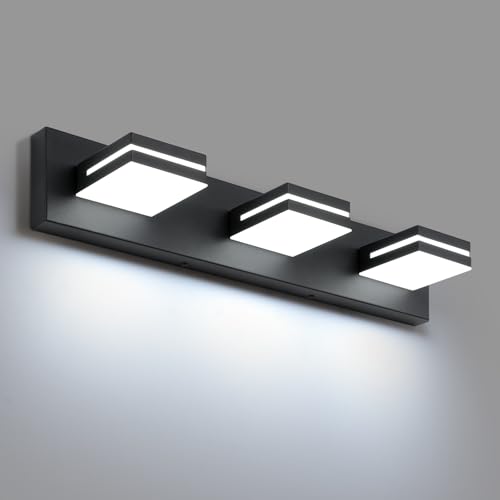
Proper lighting and ventilation are essential for comfort and moisture control. This includes vanity lights, recessed lighting, exhaust fans, and any accent lighting. Finishing touches — paint, trim, mirrors, and hardware — complete the look. While individually small, these elements add up and contribute significantly to the overall feel of the renovated space.
DIY vs. Hiring a Professional
The labor component of a bathroom renovation is substantial. Skilled tradespeople — plumbers, electricians, tilers, and carpenters — bring expertise that reduces the risk of costly mistakes. While DIY can save on labor, it requires genuine competence and confidence in each task. Waterproofing and electrical work, in particular, are areas where professional help is strongly recommended.
Many homeowners choose a hybrid approach: handling demolition, painting, and simple installations themselves while hiring licensed professionals for plumbing, electrical, and tiling. This balances cost savings with quality assurance. If you are considering professional help, resources on finding remodeling contractors near you and what contractors charge for bathroom remodels offer practical guidance.
For larger renovation goals, understanding the value of professional work is important. Explore home improvement projects that increase home value to make informed decisions about where to invest.
Strategies to Keep Your Renovation Manageable
A successful bathroom renovation balances ambition with practicality. Here are proven strategies to control costs without sacrificing quality:
- Keep the existing layout. Retaining fixture positions avoids expensive plumbing relocation.
- Choose mid-range materials where they matter most. Invest in waterproofing, tiling, and fixtures that you use daily.
- Blend entry-level and premium elements. Use budget-friendly tiles on less visible areas and splurge on focal points.
- Refinish instead of replace. Consider refinishing the tub, reglazing tiles, or refacing cabinets before opting for full replacement.
- Plan for contingencies. Hidden damage — such as rot or outdated wiring — is common. A contingency buffer prevents project delays.
- Get multiple quotes. Compare contractor estimates to understand the market and identify fair value.
- Source materials strategically. Sales, overstock, and end-of-line products can offer significant savings on quality items.
For those considering a more extensive project, resources on completely renovating a bathroom and full bathroom remodel costs provide deeper insights into planning and budgeting.
Quality Tier Comparison at a Glance
| Component | Entry-Level | Mid-Range | Premium |
|---|---|---|---|
| Wall & Floor Tile | Standard ceramic | Porcelain, textured finishes | Natural stone, large format |
| Fixtures (Faucets, Shower) | Basic chrome, standard flow | Brushed nickel, improved flow | Designer finishes, thermostatic |
| Vanity & Countertop | Stock unit, laminate top | Semi-custom, solid surface | Custom cabinetry, stone top |
| Lighting & Ventilation | Basic fixture, standard fan | Layered lighting, quiet fan | Smart lighting, humidity sensor |
| Flooring Comfort | Standard tile or vinyl | Heated mat under tile | Full radiant heat system |
Ready to Plan Your Bathroom Renovation?
Explore our comprehensive guides on bathroom remodeling costs and find the right contractors for your project.
Explore Complete Renovation GuideFrequently Asked Questions
For a smaller-scale project, you may find our guide on small bathroom remodel costs particularly useful. If you are considering expanding your bathroom or adding a new one, explore the cost of adding a new bathroom and master bathroom addition costs.