How to Increase Water Pressure at Home
Diagnose low water pressure, adjust your pressure reducing valve, clean aerators, install a booster pump, and more. Step-by-step DIY guide for better flow.
Start Diagnosing Now →Understanding water pressure: Most homes need 40–60 psi for comfortable use. Below 30 psi, you'll notice weak showers, slow-filling appliances, and frustrating fixtures. The good news? Most causes are DIY-fixable.
Why Is My Water Pressure Low?
Before you can fix the problem, you need to know what's causing it. Low water pressure typically stems from one of these common issues:
- Clogged aerators or showerheads: Mineral buildup restricts flow.
- Partially closed main shutoff valve: A valve not fully open reduces pressure.
- Faulty pressure reducing valve (PRV): Regulates incoming pressure; may need adjustment or replacement.
- Leaks in the plumbing system: Even small leaks can drop pressure.
- Well pressure tank issues: For well users, low pressure may mean a failing tank or pump.
- Municipal supply problems: Sometimes the issue is on the city side—check with neighbors.
Identifying the root cause is the first step. Let's walk through a simple diagnostic process.
How to Check Your Water Pressure
You can measure your home's water pressure with a simple pressure gauge (available at any hardware store for about $15–$25). Here's how:
Step 1: Attach the gauge
Screw the gauge onto an outdoor hose bib or your washing machine cold-water valve. Make sure no other water is running in the house.
Step 2: Turn on the water
Open the valve fully and read the gauge. Normal range is 40–60 psi. If it's below 40 psi, you have low pressure.
Step 3: Check at different times
Test during peak usage (morning/evening) and off-peak. If pressure drops during peak, it may be a supply issue.
Step 4: Compare fixtures
If only one faucet or shower is weak, the problem is local (clogged aerator, cartridge, or valve). If all are weak, it's a whole-house issue.
DIY Fixes: How to Increase Water Pressure
1. Clean or Replace Aerators & Showerheads
Mineral deposits from hard water are the #1 cause of localized low pressure. Unscrew the aerator from the faucet tip and soak it in vinegar overnight. For showerheads, soak the entire head in a bag of vinegar. Rinse and reinstall. If that doesn't work, replace them—new aerators cost $5–$15.
2. Check the Main Shutoff Valve
Locate your main water shutoff valve (usually near the water meter or where the line enters the house). Make sure it's fully open. If it's a gate valve, turn it counter-clockwise until it stops. If it's a ball valve, the handle should be parallel to the pipe.
3. Adjust the Pressure Reducing Valve (PRV)
If your home has a PRV (a bell-shaped device near the main shutoff), you can adjust it. Loosen the locknut and turn the adjustment screw clockwise to increase pressure. Turn ½ turn, check the gauge, and repeat until you reach 50–60 psi. Learn more about adjusting your PRV.
4. Inspect for Leaks
Even a small leak can reduce pressure. Check all visible pipes, under sinks, and around the water heater. Also check your water meter—if it moves when all water is off, you have a leak. Repairing leaks can instantly restore pressure.
5. Install a Water Pressure Booster Pump
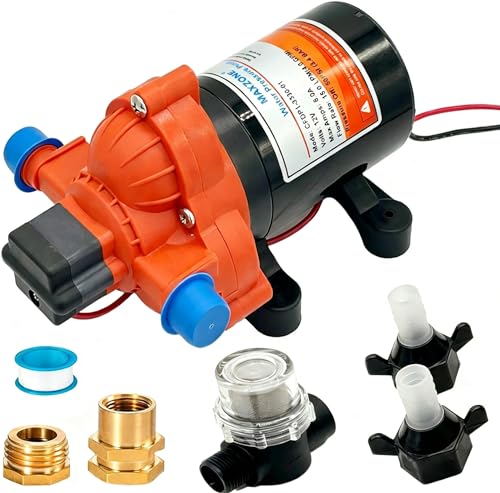
For homes with chronically low pressure (below 30 psi), a booster pump is a game-changer. These pumps attach to your main water line and can increase pressure by 20–40 psi. They cost $800–$2,500 installed, but DIY kits are available for $300–$600. If you're on a well, see our guide on well water pressure solutions.
6. Address Well System Issues
If you're on a well, low pressure could mean a failing pressure tank, a clogged filter, or a weak pump. Check the pressure tank's air charge (should be 2 psi below the pump cut-in pressure). You may need to adjust your well pump pressure switch or replace the tank.
When to Call a Professional
While many pressure issues are DIY-friendly, some situations require a licensed plumber or contractor:
- Pressure below 20 psi – indicates a serious supply or well problem.
- You suspect a hidden slab leak – this can cause pressure loss and structural damage.
- Your PRV is old or corroded – replacement requires cutting and soldering pipes.
- You need a whole-house booster pump installed – electrical and plumbing work involved.
- You're planning a major renovation – consider upgrading pipes and pressure during the project. See complete renovation costs.
For major projects, always consult a reputable local contractor. They can evaluate your system and recommend the best solution.
Prevent Low Water Pressure
Once you've restored your pressure, keep it that way with these habits:
- Flush your water heater annually to remove sediment buildup.
- Replace your whole-house filter regularly (if you have one).
- Check your PRV every 2–3 years – they can wear out.
- Install a pressure gauge permanently on your main line to monitor changes.
- If you're on a well, service your pump and tank every 3–5 years.
For more home maintenance tips, visit our home improvement resources and value-adding projects.
Ready to Boost Your Water Pressure?
Start with a simple pressure test and work your way through the DIY fixes. Most homeowners can solve low water pressure in an afternoon with basic tools. If you need equipment, check out our recommended tools below.