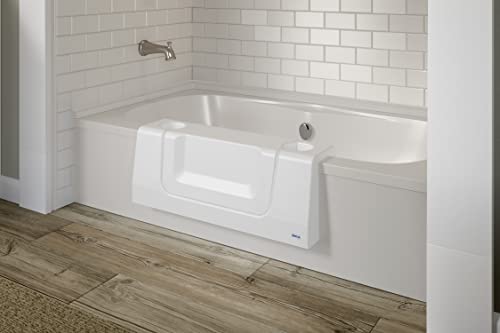
Tub to Shower Conversions: Your Complete Guide
Transform your outdated bathtub into a modern, accessible walk-in shower. Learn the process, design options, safety features, and expert tips to plan your conversion with confidence.
Explore the Conversion ProcessWhy consider a tub to shower conversion? Converting a rarely used bathtub into a spacious walk-in shower can modernize your bathroom, improve accessibility for aging-in-place needs, and increase your home's appeal to a wider range of buyers. This guide covers everything from planning and permits to waterproofing and finishing details.
Understanding Tub to Shower Conversions
A tub to shower conversion is more than simply swapping fixtures. The project involves removing the existing bathtub, reworking the drain and supply lines, installing a new shower base or building a custom tiled pan, and finishing the walls with waterproof materials and tile. Whether you choose a quick acrylic surround or a fully custom walk-in shower, careful planning is essential to prevent water damage and ensure long-lasting results.
Many homeowners pursue a conversion to gain a more spacious shower footprint, eliminate the high step over a tub wall, and create a safer bathing environment. If you are still deciding between a conversion and a full bathroom remodel, reviewing bathroom remodeling options can help you understand the broader scope of possibilities.
The Conversion Process Step by Step
Professional tub to shower conversions follow a structured sequence. Understanding these stages helps you communicate effectively with contractors and anticipate the timeline.
Assessment & Planning
Measure the existing alcove, inspect plumbing access, and decide on shower size, layout, and door type. Confirm whether a permit is required in your area.
Demolition & Removal
Remove the tub, surrounding wall material, and old fixtures. Protect adjacent surfaces and dispose of debris responsibly.
Plumbing Rough-In
Relocate the drain to the center of the new shower footprint if needed, install the valve and trim, and add blocking for grab bars or a bench.
Waterproofing
Apply a waterproof membrane, cement board, or a preformed shower pan. Proper slope and sealing are critical to prevent leaks.
Base & Wall Installation
Set the shower pan or build a tiled base, then install wall surround panels or tile over the waterproofed substrate.
Finishing Touches
Install the shower door, fixtures, sealant, and any safety accessories. Test for proper drainage and water tightness.
Popular Shower Options for Your Conversion
The choice of shower base and wall system significantly affects the look, durability, and maintenance of your new shower. Below is a comparison of common options across quality tiers to help you weigh the trade-offs.
| Tier | Material Category | Best For | Key Characteristics |
|---|---|---|---|
| Entry-level | Acrylic or fiberglass surround | Quick updates and straightforward installs | Lightweight, easy to clean, integrated base and walls, limited custom sizing |
| Mid-range | Cultured marble or solid surface | Balanced appearance and durability | Seamless look, reinforced construction, moderate customization, repairable surface |
| Premium | Porcelain or ceramic tile with membrane | Custom design and long-term performance | Highly customizable patterns, premium waterproofing, professional installation recommended |
| High-end tier | Natural stone or large-format tile | Luxury aesthetics and distinctive design | Unique veining, heavy-duty materials, requires skilled craftsmanship |
When selecting a shower door, consider frameless glass for a modern look or semi-frameless options for a more moderate tier. Safety features such as a low-threshold base and integrated grab bars are worthwhile additions regardless of the material tier you choose. For more detailed design guidance, explore walk-in shower renovation ideas.
Cost Factors and Planning Considerations
While we avoid quoting specific figures, several variables influence the overall investment in a tub to shower conversion. Understanding these factors helps you set realistic expectations and prioritize features.
- Scope of plumbing changes: Relocating the drain or upgrading the valve adds complexity.
- Shower size and layout: Larger footprints and custom shapes require more materials and labor.
- Material tier: Moving from an entry-level acrylic surround to a premium tiled shower increases the investment in materials and installation time.
- Permits and inspections: Local requirements vary; factor in administrative steps.
- Accessibility features: Grab bars, benches, and zero-threshold entries add functionality and safety.
- Labor rates: Regional differences and contractor availability affect installation costs.
If you are also considering a broader bathroom refresh, reviewing small bathroom remodel strategies can help you maximize space and coordinate finishes.
Safety and Accessibility Benefits
One of the strongest arguments for tub to shower conversions is improved safety. Stepping over a high tub wall is a leading cause of slips and falls in the bathroom. A walk-in shower with a low threshold, non-slip flooring, and strategically placed grab bars creates a safer environment for seniors and anyone with mobility concerns. Many families find that this modification allows them to age in place more comfortably.
When planning your conversion, discuss blocking and reinforcement with your contractor so that grab bars can be installed securely. Proper lighting and ventilation in the shower area further enhance safety and comfort.
Choosing the Right Professional
While some skilled DIYers may tackle portions of a conversion, the plumbing and waterproofing elements are best handled by licensed professionals. Hiring an experienced contractor ensures that the project meets local building codes, that the waterproofing is reliable, and that the finished shower performs well for years. Look for specialists with a track record in shower renovation companies and ask for references from recent projects.
If you need help locating qualified professionals in your area, resources for tub to shower conversion near me can connect you with local experts. Always verify licensing, insurance, and warranty terms before work begins.
Ready to Modernize Your Bathroom?
Explore our recommended shower conversion products and accessories to complement your project.
View Recommended ProductsFrequently Asked Questions
How long does a tub to shower conversion take?
Most conversions take three to seven days for a professional installation, depending on the scope of plumbing work, tile installation, and any structural modifications. A simple acrylic shower pan replacement may be completed faster, while a fully tiled walk-in shower typically requires the longer end of that range.
Do I need a permit for a tub to shower conversion?
In most jurisdictions, a permit is required, especially when plumbing lines are relocated or a new drain is installed. Permits ensure the work meets local building codes and safety standards. Always check with your local building department before starting.
Can I convert my tub to a shower myself?
This is a complex project involving plumbing, waterproofing, and tile work. While experienced DIYers may handle portions, hiring a licensed professional for plumbing modifications and waterproofing is strongly recommended to prevent water damage and ensure code compliance.
What is the most durable shower base material?
Acrylic and fiberglass shower pans are popular for durability and ease of maintenance. For a more premium look, cultured marble and solid surface materials offer excellent longevity. Tile shower bases with proper waterproofing provide a custom appearance and can last decades when installed correctly.
Does a tub to shower conversion increase home value?
Yes, a well-executed conversion can increase home value, particularly for buyers who prefer step-in showers. Modern walk-in showers with safety features and premium finishes are attractive to a wide range of buyers and can improve your home's marketability.
Final Thoughts
Tub to shower conversions offer a practical way to update your bathroom's functionality and style while improving safety. By understanding the process, selecting appropriate materials for your tier, and working with qualified professionals, you can create a shower that serves your household well for years. Whether you are planning a simple refresh or a luxurious custom shower, careful planning and quality execution are the keys to a successful outcome.
For related project inspiration, you may also explore shower conversions and tub conversion to shower resources to compare approaches and refine your plan.