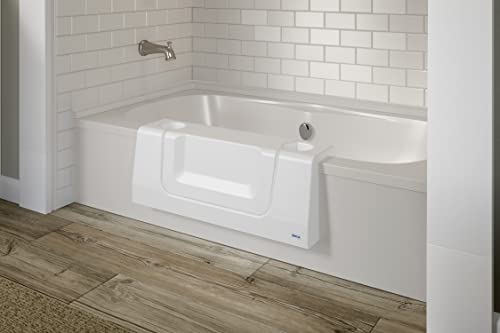
Bathtub Replacement Guide
Everything you need to know about replacing your bathtub: costs, types, installation steps, and expert advice. Make your bathroom renovation a success.
Shop Recommended Tools🛁 Thinking about replacing your bathtub? Whether you want a modern soaking tub, a space-saving shower-tub combo, or a luxurious freestanding model, this guide covers everything. Learn about material options, average costs, installation steps, and how to choose the right tub for your bathroom.
Why Replace Your Bathtub?
Over time, bathtubs can become worn, stained, or outdated. Cracks, leaks, or inefficient water usage are common reasons for replacement. A new bathtub can significantly improve your bathroom's functionality, aesthetic appeal, and even your home's value. According to renovations that add value, a bathroom update consistently ranks among top home improvements.
If you're planning a bathroom renovation near you, replacing the tub is often the centerpiece of the project. It's also an opportunity to upgrade to water-efficient models or add accessibility features like a handicap-accessible bathroom.
Types of Bathtubs – Which One Is Right for You?
🧼 Alcove / Drop-in Tubs
The most common type, designed to fit into a three-wall enclosure. Affordable and space-efficient. Ideal for standard bathroom layouts.
$400 – $1,500 (material only)
🛁 Freestanding Tubs
Elegant and eye-catching. Available in modern or classic designs. Requires more floor space and sturdy flooring. Popular for master bathrooms.
$1,200 – $4,000+
🚿 Shower-Tub Combos
Perfect for small bathrooms or children's baths. Combines a tub with a shower enclosure. Versatile and space-saving.
$500 – $2,000
♿ Walk-in Tubs
Designed for safety and accessibility. Features a door for easy entry. Ideal for seniors or those with mobility issues.
$2,500 – $7,000+
How Much Does Bathtub Replacement Cost?
The total cost of replacing a bathtub depends on tub type, materials, labor, and any additional plumbing or structural work. On average, homeowners spend $3,000 – $7,500 for a full replacement including installation. Here's a rough breakdown:
- Tub only: $300 – $4,000+ (depending on material and style)
- Installation labor: $800 – $2,500 (includes removal of old tub, plumbing, and fitting)
- Additional work: $500 – $2,000 (tile repair, new fixtures, drywall, etc.)
For a more precise estimate, check out our guide on average cost to remodel a small full bathroom or how much a bathroom remodel usually costs. Keep in mind that labor rates vary by region — consider getting multiple quotes from bathroom remodeling companies near you.
Bathtub Installation Process (Step-by-Step)
While professional installation is recommended, understanding the process helps you communicate with your contractor and avoid surprises.
- Remove old tub: Disconnect plumbing, remove tiles or surround, and take out the old fixture.
- Inspect and prep: Check for water damage, level the subfloor, and update plumbing if necessary.
- Install new tub: Set the tub in place, level it, and connect drain and water supply lines.
- Waterproof and seal: Apply waterproof membrane, install backer board, and tile or surround the walls.
- Finish: Install faucets, showerhead, and trim. Caulk all seams and test for leaks.
If you're considering a tub-to-shower conversion, the process is similar but may require additional floor and drain modifications.
Bathtub Materials – Pros and Cons
Acrylic
Lightweight, warm to touch, and affordable. Resists scratches and fading. Easy to clean. Common in many homes.
$400 – $1,200
Cast Iron
Extremely durable, retains heat, and has a classic look. Very heavy – requires reinforced flooring. High-end option.
$1,200 – $3,500
Fiberglass
Lightweight and inexpensive. Prone to scratching and fading over time. Good for budget projects.
$300 – $800
Stone / Solid Surface
Luxurious and durable. Non-porous, stain-resistant, and easy to maintain. Premium price point.
$2,500 – $7,000+
Should You DIY or Hire a Pro?
Replacing a bathtub is a complex job that involves plumbing, electrical (if adding lights or pumps), and structural work. While a skilled DIYer might handle a straightforward alcove tub replacement, most homeowners benefit from hiring a licensed bathroom home improvement contractor. Professionals ensure proper waterproofing, code compliance, and warranty protection.
If you're unsure, consult a home improvement contractor or a handyman service near you for a quote. They can also advise on adjusting water pressure if your new tub requires different flow rates.
Pro Tips for a Hassle-Free Bathtub Replacement
- Measure twice: Ensure the new tub fits the alcove or space. Check doorways and stairwells for delivery access.
- Plan for plumbing updates: Older homes may need new pipes or a water pressure adjustment to match the new tub.
- Choose the right drain location: Some tubs have left, right, or center drains. Confirm compatibility.
- Don’t skip waterproofing: Proper sealing prevents costly water damage down the road.
- Consider a bathroom refinisher if your existing tub is in good condition but needs a facelift.
Warranty and Long-Term Care
Most new bathtubs come with a limited warranty (10–25 years) covering defects. Always register your product and keep the receipt. For maintenance, use non-abrasive cleaners to preserve the finish. Address small chips or scratches early to prevent rust or staining. If you notice low water pressure after installation, check out our guide on increasing water pressure with a well pump or how to boost water pressure for a comfortable bathing experience.
✅ Ready to replace your bathtub? Start by measuring your space, setting a budget, and browsing trusted brands. Use our recommended tools (below) to make the installation smoother. And remember, investing in quality materials and professional installation pays off in comfort and home value.