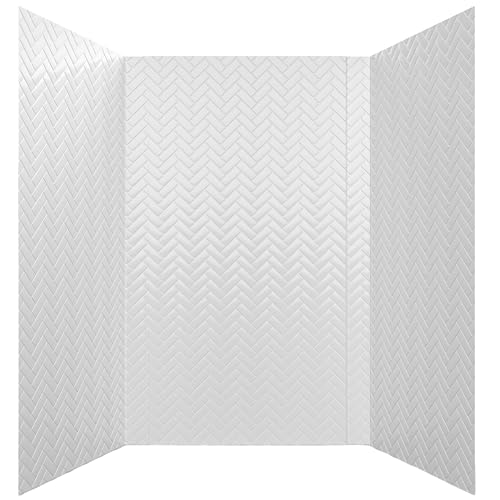
Bathtub Walls: The Complete Guide to Materials, Installation & Long-Term Care
Everything you need to choose, install, and maintain durable, waterproof bathtub walls — from entry-level surrounds to luxury solid surface systems.
Why Bathtub Walls Matter More Than You Think
Bathtub walls — also called tub surrounds or shower surrounds — are the vertical surfaces that protect your bathroom from water damage while defining the look of your bathing space. They are one of the most overlooked components of a bathroom remodel, yet they determine how long your walls stay dry, how easy your bathroom is to clean, and how polished the final result looks.
Whether you are planning a full bathroom remodel or a targeted bathroom renovation, understanding the options for bathtub walls helps you avoid moisture problems, choose a material that fits your maintenance habits, and make a decision that stays attractive for years. This guide walks you through every material category, installation approach, waterproofing requirement, and care routine you need to know.
Key takeaway: The best bathtub wall system balances three factors — moisture protection, maintenance effort, and visual style. No single material wins on all three, so the right choice depends on how you use your bathroom and what you value most.
Bathtub Wall Materials Compared
The material you choose affects installation complexity, cleaning routine, durability, and design flexibility. Here is a practical comparison of the most common options.
1. Ceramic and Porcelain Tile
Tile remains the most popular choice for bathtub walls because it is water-resistant, durable, and available in an enormous range of colors, sizes, and textures. Porcelain tile is denser and less porous than ceramic, making it a stronger choice for wet areas. The trade-off is grout: grout lines require sealing and regular scrubbing to prevent mildew. Tile installation is labor-intensive and best left to a professional for a tub surround, especially if you are combining it with a tub-to-shower conversion.
2. Solid Surface Panels
Solid surface materials — such as cultured marble, engineered stone, and acrylic-based solid surface — offer a seamless, non-porous surface with no grout lines. They are easy to clean, resist mold, and can be molded with integrated shelves and soap dishes. Mid-range and premium solid surface systems deliver a high-end look with fewer maintenance demands than tile. These panels are a strong fit for homeowners who want a clean, modern appearance without grout upkeep.
3. Acrylic and Fiberglass Surrounds
Acrylic and fiberglass surrounds are the most common entry-level and budget-friendly option. They come as multi-piece kits that install directly over backer board or existing walls, and they are available in many molded patterns that mimic tile. Acrylic is generally more durable and resistant to cracking than fiberglass, while fiberglass is lighter and often more affordable. Both are easy to clean but can scratch and may yellow over time in lower-tier products.
4. Waterproof Wall Panels (PVC, Composite, and Laminate)
Waterproof wall panels are a growing category that includes PVC panels, composite boards, and waterproof laminate systems. They install quickly, often with adhesive or interlocking edges, and provide a smooth, grout-free surface. Mid-tier and premium panels can convincingly imitate tile, stone, or marble. They are an excellent choice for DIY-friendly installations and for bathrooms where speed and low maintenance are priorities.
| Material | Moisture Resistance | Maintenance | Installation | Market Tier |
|---|---|---|---|---|
| Ceramic / Porcelain Tile | High (with sealed grout) | Moderate — grout cleaning | Professional recommended | Mid-range to premium |
| Solid Surface Panels | Very high — non-porous | Low — wipe clean | Professional recommended | Premium to luxury |
| Acrylic Surround | High | Low — non-abrasive cleaner | DIY-friendly | Mid-range |
| Fiberglass Surround | Moderate to high | Low — gentle cleaning | DIY-friendly | Entry-level |
| Waterproof Wall Panels | High | Very low — no grout | DIY-friendly | Mid-tier to high-end |
Waterproofing: The Step You Cannot Skip
No matter which surface material you choose, the wall behind it must be protected. Water vapor and splashes penetrate grout, seams, and caulk lines over time. A proper waterproofing system prevents moisture from reaching the framing and drywall, where it causes mold, rot, and structural damage.
The standard approach is to install cement backer board or a waterproof foam board over the studs, then apply a waterproof membrane or liquid waterproofing coating to all seams, corners, and fastener penetrations. For tile installations, a roll-on or sheet membrane is strongly recommended. For panel systems, follow the manufacturer's instructions — some panels require a waterproof substrate, while others are designed to be installed over moisture-resistant drywall with sealed seams.
Pay special attention to the tub-to-wall junction. This is the most common failure point in any bathtub wall system. Use a flexible, waterproof sealant and consider a tub flange or lip that directs water back into the tub. If you are also replacing the tub itself, our guide to bathtub replacement covers how to coordinate the surround with the new tub installation.
Installation Methods and What to Expect
Installation complexity varies widely by material. Here is what each approach involves so you can plan your project realistically.
Tile Installation
Tile requires backer board, waterproofing, thin-set adhesive, grout, and sealant. It is the most time-consuming method and demands careful layout and cutting. A professional installation typically takes two to four days for a standard tub surround. If you are remodeling the entire bathroom, our bathroom remodeling costs guide helps you budget for labor and materials together.
Panel and Surround Kits
Acrylic, fiberglass, and waterproof panel kits are designed for faster installation. Many can be completed in a single day by a confident DIYer. The key steps are measuring accurately, removing old surfaces if necessary, preparing a flat substrate, applying adhesive, and sealing all seams and edges with silicone caulk. For homeowners comparing project scopes, our 1-day bathroom renovation guide explains which upgrades are realistic in a short timeframe.
Solid Surface Installation
Solid surface panels are often fabricated to measure and installed by trained professionals. The seams are bonded and sanded to create a nearly invisible joint. This produces the most seamless look but requires specialist labor. If you are weighing a full bathroom upgrade, see our bathroom upgrades overview for how surrounds fit into a broader improvement plan.
How High Should Bathtub Walls Go?
Wall height affects both protection and appearance. Use these guidelines:
- Tub-only installations: Extend walls at least 30 to 36 inches above the tub rim to catch splashes.
- Tub-shower combinations: Extend walls 60 to 72 inches above the floor, or at least 12 to 18 inches above the showerhead.
- Full-height walls: Extending the surround to the ceiling provides the best moisture control and a more finished look, especially in small bathrooms.
For small or oddly shaped bathrooms, wall height and layout decisions often pair with broader space planning. Our bathroom remodeling ideas collection includes layout strategies for compact tub areas.
Maintenance and Cleaning by Material
Long-term satisfaction with bathtub walls depends as much on care as on material choice. Here is how to keep each surface in good condition:
- Tile: Clean grout regularly with a soft brush and pH-neutral cleaner. Reseal grout annually. Replace cracked or missing caulk promptly.
- Solid surface: Wipe with a non-abrasive bathroom cleaner. For stubborn marks, use a mild abrasive pad approved by the manufacturer. Avoid harsh solvents.
- Acrylic: Use non-abrasive cleaners and a soft cloth. Avoid scouring pads that can dull the surface. Dry after use to reduce soap scum.
- Fiberglass: Clean gently with a non-abrasive product. Avoid bleach-heavy cleaners that can discolor lower-tier gel coats.
- Waterproof panels: Wipe with a damp cloth and mild cleaner. Check seam caulk every six months and reapply as needed.
Regardless of material, ventilate your bathroom during and after use, and address any loose caulk or sealant immediately. Small repairs prevent larger moisture problems that can undermine an otherwise well-built surround. If you are planning a broader refresh alongside new walls, our bathroom repair guide covers common fix-it tasks that pair well with a surround upgrade.
Planning Your Bathtub Wall Project
A successful project starts with clear priorities. Ask yourself:
- How much maintenance am I willing to do? If grout scrubbing is not for you, prioritize solid surface or waterproof panels.
- Is this a DIY project or a professional installation? Panel kits are DIY-friendly; tile and solid surface usually are not.
- How does this fit my overall renovation? Coordinate wall replacement with tub replacement or layout changes to avoid doing work twice.
- What tier of product fits my goals? Entry-level surrounds are practical and serviceable; mid-range systems offer better durability and design; premium and luxury systems deliver seamless looks and longer warranties.
If you are still deciding between a tub and a shower, our bathtub replacement with shower guide explains the trade-offs in space, accessibility, and resale value. For a full-scope cost picture, see bathroom renovation costs.
Frequently Asked Questions
What are the best materials for bathtub walls?
The best materials depend on your priorities. Ceramic and porcelain tile offer durability and design flexibility. Solid surface panels provide a seamless, low-maintenance surface with a premium look. Acrylic and fiberglass surrounds are budget-friendly and quick to install. Waterproof wall panels are an excellent DIY-friendly option with no grout lines. Match the material to your maintenance habits and budget tier.
Do I need waterproof backer board behind bathtub walls?
Yes, in almost all cases. Cement backer board or waterproof foam board protects the wall structure from moisture. For tile, a waterproof membrane over the backer board is strongly recommended. For panel systems, follow the manufacturer's substrate requirements. Skipping proper backer board risks mold, rot, and costly repairs.
How high should bathtub walls be?
For tub-only installations, walls should rise at least 30 to 36 inches above the tub rim. For tub-shower combinations, extend walls 60 to 72 inches above the floor, or at least 12 to 18 inches above the showerhead. Full-height walls to the ceiling offer the best moisture protection.
Can I install bathtub wall panels over existing tile?
It is generally not recommended. Old tile surfaces are rarely flat enough for a reliable bond, and moisture can become trapped between layers. Removing old tile and inspecting the substrate is the safer approach. Some manufacturers offer adhesive systems for specific panel products, but always verify compatibility first.
How do I maintain and clean bathtub walls?
Maintenance depends on the material. Tile requires regular grout cleaning and annual resealing. Solid surface and acrylic clean easily with non-abrasive bathroom cleaners. Fiberglass needs gentle cleaning to protect the gel coat. Waterproof panels simply need wiping and periodic caulk checks. Dry walls after each use to reduce soap scum and mildew.
What is the difference between entry-level and premium bathtub wall systems?
Entry-level systems typically use thinner acrylic or fiberglass panels with fewer pattern options and simpler installation. Mid-range systems offer thicker panels, better reinforcement, and more design choices. Premium and luxury systems use solid surface materials, seamless construction, integrated shelving, and superior moisture resistance with longer warranties.
Final Thoughts
Bathtub walls are a small part of your bathroom by area but a major factor in how well the room performs over time. Choose a material that matches your maintenance tolerance, invest in proper waterproofing, and plan the installation to coordinate with any tub or layout changes. Done right, a quality surround protects your home, simplifies cleaning, and gives your bathroom a finished, intentional look for years to come.
Ready to compare products? The recommended tools and materials below are selected to support a successful bathtub wall installation or upgrade.