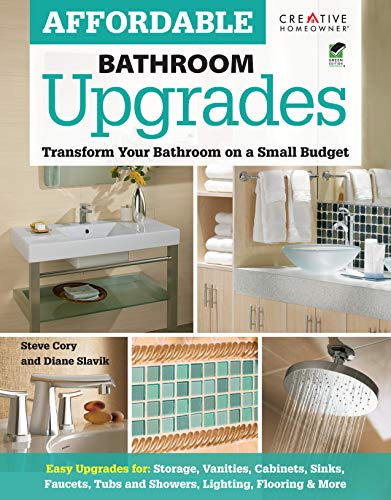
Bathroom Renovation on a Budget: A Smart Planning Guide
Discover how to transform your bathroom with practical, cost-conscious decisions. From prioritizing cosmetic updates to choosing the right material tiers, this guide helps you plan a renovation that looks premium without overspending.
EXPLORE RECOMMENDED TOOLSWhy a Budget Bathroom Renovation Makes Sense: The bathroom is one of the most frequently used rooms in any home, yet it is also one of the easiest spaces to refresh without a full structural overhaul. By focusing on high-impact cosmetic changes, keeping the existing plumbing layout, and selecting mid-range materials where durability matters most, homeowners can achieve a dramatic visual upgrade while controlling expenses. This guide walks you through each decision point so you can renovate with confidence.
1. Define the Scope Before You Spend
The single most effective way to keep a bathroom renovation affordable is to define the scope clearly before any work begins. A full gut renovation moves walls, relocates plumbing, and replaces every surface — an expensive undertaking. A budget renovation focuses on the elements that deliver the greatest visual and functional return: surfaces, fixtures, lighting, and storage.
Start by asking what frustrates you most about the current space. Is the tile dated? Is storage insufficient? Does the lighting feel dim? Answering these questions helps you allocate effort toward the changes that will actually improve daily life rather than spending on elements nobody will notice. If you are weighing a cosmetic refresh against a larger project, comparing the bathroom remodeling costs of each approach will reveal where the biggest savings lie.
Keeping the existing footprint — toilet, sink, and tub in their current positions — avoids the single largest hidden expense in any remodel: moving drains, supply lines, and ventilation. When the layout stays intact, labor time drops dramatically, and the project becomes far more predictable. Many homeowners find that a well-planned bathroom makeover delivers most of the emotional satisfaction of a full remodel at a fraction of the disruption.
2. Understand Material Tiers and Where to Invest
Budget renovation does not mean choosing the cheapest option everywhere. It means investing strategically. The most durable components — tile, waterproofing, and plumbing fixtures — deserve mid-range or premium attention because they are difficult and expensive to replace later. Decorative elements and accessories can safely come from entry-level or budget-friendly tiers.
Below is a practical breakdown of how renovation approaches map to quality tiers, so you can decide where to stretch and where to save.
Cosmetic Refresh
Painting, regrouting, replacing hardware, updating accessories, and deep cleaning existing surfaces. Ideal when the layout and core fixtures are still functional and the goal is a fresh, clean look with minimal disruption.
Targeted Upgrade
Replacing the vanity, faucets, lighting, and flooring while retaining the tub and toilet. This tier balances meaningful visual change with durable products that hold up to daily use and moisture exposure.
Full Surface Renovation
New tile throughout, a walk-in shower conversion, upgraded waterproofing, and premium fixtures. Reserved for spaces where long-term durability and resale value justify the higher investment.
One consistent principle across all tiers: spend on what is permanent and save on what is easy to change. Tile, waterproofing membranes, and plumbing hardware fall into the permanent category. Mirrors, towel bars, paint colors, and decorative shelving are inexpensive to update later, so there is little reason to overspend on them during the initial renovation.
3. Compare Renovation Approaches Side by Side
The table below summarizes the trade-offs between three common renovation paths. Use it to match your goals with a realistic approach rather than defaulting to the most expensive option out of habit.
| Approach | Typical Scope | Best For | Time Commitment |
|---|---|---|---|
| Cosmetic Refresh | Paint, regrout, new hardware, lighting, accessories | Functional bathroom with dated finishes | A weekend to a few days |
| Targeted Upgrade | New vanity, faucets, flooring, and lighting | Worn-out surfaces with solid core plumbing | One to two weeks |
| Surface Renovation | New tile, shower conversion, waterproofing, fixtures | Long-term ownership or pre-sale preparation | Two to four weeks |
4. High-Impact Upgrades That Stay Affordable
Not every upgrade requires a large commitment. Several changes deliver outsized visual returns relative to their complexity. These are the projects most frequently recommended to homeowners who want meaningful change without a full remodel.
- Refinish the tub instead of replacing it. Professional refinishing restores a worn tub to a like-new finish and is dramatically simpler than removal and replacement. Explore bathroom tub renovation options before assuming replacement is necessary.
- Update the vanity. A new vanity instantly modernizes the room and adds storage. Many homeowners find that a well-chosen unit transforms the space more than any other single change. Browse bathroom vanity ideas for layout and style inspiration.
- Replace faucets and showerheads. These fixtures are inexpensive relative to their daily visibility and are simple to swap. Mid-range models typically offer smoother operation and better finishes than entry-level alternatives.
- Improve lighting. Layered lighting — a vanity fixture plus overhead illumination — makes a small bathroom feel larger and brighter. This is one of the most frequently cited bathroom upgrades for perceived value.
- Repaint with moisture-resistant products. A fresh coat of bathroom-grade paint in a light, neutral tone brightens the room and hides surface imperfections. Pair it with thoughtful accent walls if you want a focal point without adding tile.
If you are converting a tub to a shower, be aware that this is a mid-range to premium project requiring waterproofing and plumbing adjustment. Understanding the scope of a bathroom tub to shower remodel helps you decide whether it fits within your plan or belongs in a later phase.
5. Practical Cost-Saving Checklist
Before You Begin, Confirm These Points
- Keep the existing plumbing layout to avoid relocation labor.
- Set a prioritized list: must-do, nice-to-have, and future-phase items.
- Choose mid-range tile for durability and entry-level tile for accents.
- Reuse structurally sound cabinets and update hardware or paint instead.
- Order materials early to avoid delays and rush-shipping premiums.
- Schedule contractors during slower seasons for better availability.
- Handle demolition and painting yourself if you are comfortable doing so.
- Request multiple written quotes and verify licensing before hiring.
For a broader view of how individual line items affect the total, reviewing bathroom renovation costs alongside a bathroom renovation cost calculator helps you sanity-check quotes and spot areas where scope creep has crept in. Homeowners working within a tighter envelope often find the bathroom remodeling on a budget approach — prioritizing surfaces and fixtures over layout changes — to be the most predictable path.
6. When to Hire a Professional
Some tasks are genuinely DIY-friendly: painting, replacing faucets, installing a new vanity, swapping lighting fixtures, and adding storage. Others — moving plumbing, altering electrical circuits, waterproofing a shower, or addressing structural rot — should be handled by licensed trades. Saving on labor is valuable, but only when the work is within your skill and comfort level.
When you do hire, compare at least three written quotes and ask specifically what is included in demolition, disposal, and finishing. Reading guidance on the best way to find a contractor for bathroom remodeling helps you avoid the common pitfalls of vague scopes and change-order surprises. If you are still in the research stage, browsing options for bathroom remodelers near me is a sensible first step toward shortlisting qualified professionals in your area.
7. Frequently Asked Questions
How can I renovate a bathroom on a budget?
Focus on cosmetic updates such as repainting, regrouting, replacing fixtures, and upgrading lighting instead of moving plumbing or layout. Prioritize durable mid-range materials and keep the existing footprint to reduce labor costs.
What are the best budget-friendly bathroom upgrades?
Refinishing the tub, installing a new vanity, updating faucets, adding a fresh coat of moisture-resistant paint, and improving storage are among the most cost-effective upgrades that deliver strong visual impact.
Should I hire a contractor or DIY my bathroom renovation?
Minor cosmetic work like painting and replacing fixtures is DIY-friendly. Plumbing, electrical, and structural changes should be handled by licensed professionals to protect safety, code compliance, and long-term value.
How long does a budget bathroom renovation take?
A cosmetic refresh may take a weekend to a few days, while a moderate remodel involving tile and fixture replacement typically spans two to four weeks depending on material lead times and labor availability.
Ready to Plan Your Bathroom Renovation?
Start with a clear scope, choose the right material tiers, and use the recommended tools below to make your project smoother from demolition to finishing touches.
View Recommended Tools