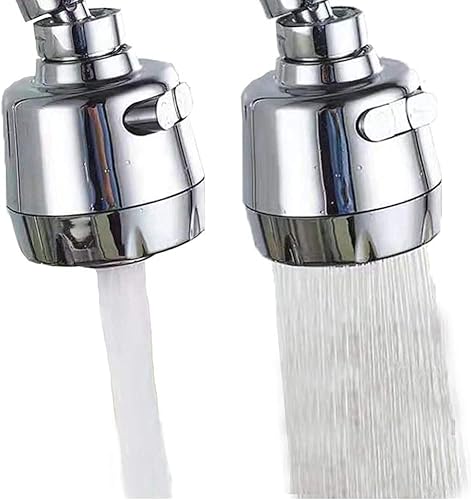
How to Increase Water Pressure at Your Kitchen Sink
A weak kitchen faucet makes everyday tasks frustrating. This complete guide walks you through every cause, every fix, and every upgrade so you can restore strong, reliable water flow in under an hour.
Start Diagnosing Now1. Diagnose: Is It the Sink or the Whole House?
Before touching a single tool, determine whether the problem is isolated to your kitchen sink or affects the entire home. This single test saves you from wasting time on the wrong fix. Turn on the kitchen faucet, then run the bathroom sink, the shower, and an outdoor hose bib one at a time. If only the kitchen sink is weak, the issue lives inside the faucet assembly or its dedicated supply lines. If every fixture is weak, the problem is upstream — the main supply, the pressure regulator, or the pipes themselves.
Whole-house pressure problems are covered in depth in our guide on how to adjust the water pressure in your home and our walkthrough on how to boost the water pressure in your house. If your home runs on a private well, the diagnosis changes entirely — see how to increase water pressure in a house with a well. For city-supplied homes, start with how to increase water pressure in a house with city water.
2. Common Causes of Low Kitchen Sink Pressure
Kitchen sinks are the hardest-working fixtures in the home, and that workload creates specific failure points. Here are the most frequent culprits, ordered by how often they appear in real diagnosis:
Clogged Aerator
Mineral deposits and debris block the fine mesh screen at the faucet tip, restricting flow. This is the number-one cause of a weak kitchen stream and the easiest to fix.
Partially Closed Supply Valve
The shut-off valve under the sink may be only half open, or a quarter-turn valve may have been bumped. Always verify both hot and cold valves are fully open.
Sediment in the Cartridge
Hard water leaves calcium and scale inside the faucet cartridge, blocking ports and reducing flow. A cartridge swap restores full pressure on most modern faucets.
Kinked or Clogged Supply Line
Braided supply lines can kink behind the cabinet, and older lines can accumulate internal buildup. Straighten or replace any line that looks pinched.
Low-Flow Aerator Mismatch
A high-restriction aerator rated for very low flow can make a powerful faucet feel weak. Matching the aerator to your faucet's design restores a satisfying stream.
Failing Pressure Regulator
If every fixture in the home is weak, the regulator on the main line may be stuck or worn. This requires a plumber to test and replace.
If you have already ruled out a whole-house issue and confirmed that only the kitchen sink is affected, the next section walks through each fix in order of difficulty. Readers who want a broader overview of pressure restoration across the home should also review how to get better water pressure in my house and how to improve the water pressure in your home.
3. Step-by-Step Fixes You Can Do Today
Work through these steps in order. Most homeowners solve the problem within the first three steps, and each one takes only a few minutes.
- Open both supply valves fully. Look under the sink and locate the two shut-off valves (hot on the left, cold on the right). Turn each counterclockwise until it stops. Quarter-turn valves should be parallel to the pipe when fully open. A valve that is only half open is a surprisingly common cause of weak kitchen flow.
- Remove and clean the aerator. Unscrew the aerator at the tip of the faucet by hand or with pliers wrapped in a cloth to protect the finish. Disassemble the mesh screens, rinse them under running water, and soak them in white vinegar for 30 minutes if you see white mineral crust. Reassemble and hand-tighten.
- Flush the supply lines. Place a bucket under the sink, disconnect the supply lines from the faucet, and briefly open each valve to flush out sediment. Reconnect, tighten, and test. This clears debris that has traveled into the faucet body.
- Inspect and straighten supply lines. Check the braided lines behind the cabinet for kinks or sharp bends. A pinched line restricts flow dramatically. Reroute the line if needed and replace any line that shows bulging, corrosion, or cracking.
- Clean or replace the faucet cartridge. Shut off both supply valves, remove the faucet handle, and pull the cartridge. Soak it in vinegar to dissolve scale, or replace it with an identical model. Cartridges are inexpensive and restoring flow is often instantaneous.
- Test the flow rate and consider an aerator upgrade. After reassembly, measure flow by timing how long it takes to fill a quart container. A healthy kitchen faucet fills a quart in roughly 6–8 seconds. If flow is still weak, swap in a higher-flow aerator matched to your faucet's threading and design.
If the kitchen faucet itself is old and corroded beyond cleaning, replacement is often the most reliable long-term fix. Our guide on how to increase water pressure in a kitchen faucet covers faucet-specific diagnostics, and how to get more water pressure in a kitchen sink expands on the sink-level troubleshooting covered here.
4. Choosing the Right Aerator and Flow Rate
The aerator is the single most impactful component for perceived kitchen pressure. A mismatched or worn aerator can make a perfectly healthy plumbing system feel weak. When selecting a replacement, match three things: thread size, flow rating, and stream pattern.
| Aerator Tier | Best For | Flow Feel | Notes |
|---|---|---|---|
| Entry-Level | Basic utility sinks and older faucets | Restricted, water-saving stream | Standard mesh aerator; adequate for rinsing but may feel soft when filling large pots. |
| Mid-Range | Everyday kitchen faucets in most homes | Balanced, steady stream | Dual-mode or aerated stream; good compromise between conservation and strong flow. |
| Premium | High-arc pull-down faucets and heavy-use kitchens | Full, forceful stream | Higher-flow aerator with laminar or aerated pattern; restores a powerful kitchen experience. |
Measure the thread diameter of your existing aerator before ordering — common sizes are 13/16 inch, 15/16 inch, and 55/64 inch. Many faucet manufacturers use proprietary threading, so consult the faucet manual or bring the old aerator to a hardware store for a match. A premium aerator on a mid-range faucet often delivers a noticeably stronger stream than a worn entry-level aerator on the same faucet.
For readers dealing with broader pressure concerns beyond the aerator, our guide on how to increase water pressure in a kitchen sink covers additional sink-specific upgrades, while how to increase my water pressure in my house addresses whole-home solutions.
5. Upgrades That Boost Pressure Long-Term
If cleaning and adjustment restore only partial pressure, or if the problem keeps returning, the following upgrades deliver lasting results. Each is rated by tier so you can match the investment to your home's needs.
Replace Aging Supply Lines
Older rubber or corroded steel lines restrict flow from the inside out. Upgrading to braided stainless steel supply lines is a mid-range improvement that costs little and eliminates a hidden bottleneck. Replace both hot and cold lines at the same time for even flow.
Install a Whole-House Pressure Booster
When the incoming municipal supply is genuinely low (consistently below 40 psi), a pressure booster pump is the premium solution. These systems install on the main line and raise pressure uniformly across every fixture. They are best specified by a licensed plumber because sizing depends on fixture count and pipe diameter.
Upgrade to a High-Performance Faucet
A modern kitchen faucet with a well-designed aerator and ceramic cartridge delivers stronger perceived pressure than a decades-old faucet with the same line pressure behind it. Look for faucets described as mid-range or premium in build quality — the internal valve design matters more than any single flow number.
Address Hard Water at the Source
If scale buildup returns every few months, a water softener or whole-house filtration system prevents the mineral deposits that clog aerators and cartridges. This is a premium-tier upgrade, but it protects every fixture and appliance in the home, not just the kitchen sink.
When evaluating whether an upgrade is worth it, weigh the cost against the inconvenience of recurring repairs. A mid-range supply line replacement and a premium aerator typically resolve 80 percent of kitchen sink pressure complaints without touching the plumbing system at all.
6. When to Call a Professional
Most kitchen sink pressure issues are DIY-friendly, but certain symptoms demand a licensed plumber. Call a professional if:
- Pressure is low at every fixture in the home, even after opening the main valve fully.
- You suspect a failing pressure regulator — testing and replacement require specialized gauges and permits in many jurisdictions.
- Water is discolored, smells unusual, or pulses erratically, which can indicate pipe corrosion or a slab leak.
- You hear hammering, whistling, or rattling in the walls when the faucet runs.
- You have replaced the aerator, cartridge, and supply lines without any improvement.
A plumber can also verify whether your home's incoming pressure meets local code and whether a booster or regulator adjustment is appropriate. For homeowners managing multiple pressure issues across the house, our guides on how to boost your water pressure in your house and how to get more water pressure in your house provide broader context before you schedule a service call.
7. Frequently Asked Questions
Why is the water pressure low only at my kitchen sink?
Can I increase kitchen sink water pressure without a plumber?
How do I know if my water pressure regulator is failing?
Does a low-flow faucet reduce water pressure?
When should I call a professional for kitchen sink water pressure problems?
Final Thoughts
Restoring strong water pressure at your kitchen sink is usually a matter of cleaning the aerator, opening the supply valves fully, and flushing out sediment. When those steps fall short, a cartridge replacement or a higher-flow aerator solves the vast majority of remaining cases. Only when the entire home suffers low pressure should you look upstream to the regulator or incoming supply. Work through the steps in order, and you will almost always find a simple, satisfying fix.
For related pressure topics, explore how to increase water pressure in a kitchen faucet and our comprehensive how to increase water pressure in your home guide.