How to Get More Water Pressure in Your House
Discover proven methods to increase home water pressure. From simple DIY fixes to whole-house booster pumps — improve your shower, faucets, and appliances today.
FIX LOW PRESSURE NOW💧 Is your shower a trickle instead of a torrent? Low water pressure is one of the most frustrating home problems. Whether it's a weak kitchen faucet, a slow-filling washing machine, or a sprinkler system that barely reaches the lawn, reduced pressure affects daily life. This guide helps you understand the causes, evaluate solutions, and take action to restore strong, consistent water flow throughout your home.
What Causes Low Water Pressure?
Before you can increase water pressure, you need to identify the root cause. Here are the most common reasons your home's water pressure may be below the ideal 40–60 PSI (pounds per square inch).
🔧 Common Culprits
- Clogged aerators or showerheads: Mineral buildup restricts flow. This is the easiest fix.
- Leaking pipes: Even a small leak can reduce pressure throughout the system.
- Pressure regulator failure: The main water pressure reducing valve (PRV) may be malfunctioning.
- Municipal supply issues: Your city's main line may have low pressure during peak hours.
- Well pump problems: For well water systems, the pump or pressure tank could be underperforming.
- Undersized pipes: Older homes often have ½-inch pipes that can't deliver enough volume.
- Shared supply lines: If you have multiple fixtures running simultaneously, pressure drops.
Understanding the cause will help you choose between a simple DIY fix or a more involved well pump upgrade.
How to Test Your Home Water Pressure
You don't need a plumber to measure your water pressure. A simple pressure gauge that attaches to an outdoor spigot or washing machine valve costs around $10–$20. Follow these steps:
- Turn off all water fixtures inside and outside your home.
- Attach the pressure gauge to the hose bib or washing machine valve.
- Turn on the water fully and read the gauge. Normal range: 45–60 PSI.
- If it's below 40 PSI, you have low pressure. Above 80 PSI is too high and can damage pipes.
📌 Pro Tip: Test pressure at different times of day. If it drops during morning or evening hours, the issue may be on the municipal side. If it's consistently low, the problem is likely within your home.
Proven Ways to Increase Water Pressure
Depending on your diagnosis, you can choose from a range of solutions — from a 5-minute fix to a whole-house system. Here's a step-by-step breakdown of the most effective methods.
1. Clean or Replace Aerators and Showerheads
Mineral deposits from hard water are the number-one cause of localized low pressure. Remove the aerator from your faucet, soak it in white vinegar for a few hours, and scrub with an old toothbrush. For showerheads, the same trick works, or replace it with a high-flow model. Cost: $0–$50 — often a free fix.
2. Check for Leaks
Even a pinhole leak can drop pressure. Inspect visible pipes under sinks, in the basement, and around the water heater. If you suspect a hidden leak, check your water meter — if it moves while all fixtures are off, you have a leak. Learn more about leak detection and call a plumber for repairs.
3. Adjust or Replace the Pressure Regulator
Most homes have a PRV (pressure reducing valve) installed where the main water line enters the house. It looks like a bell-shaped device with a screw on top. You can adjust it by loosening the locknut and turning the screw clockwise to increase pressure. Turn it slowly (¼ turn at a time) and test with your gauge. If the regulator is old or stuck, replacement costs $200–$400 including labor.
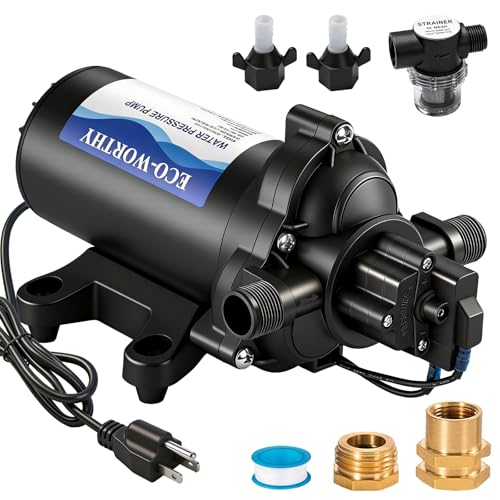
4. Install a Water Pressure Booster Pump
If your home's incoming pressure is consistently below 30 PSI, a booster pump is the most reliable solution. These systems install on your main water line and can increase pressure by 20–50 PSI. Prices range from $300–$800 for a residential unit, plus installation. This is ideal for homes with well water or older municipal systems. Explore booster pump options to find the right fit.
5. Upgrade Your Pipes
Homes built before 1970 often have galvanized steel or ½-inch pipes that restrict flow. Replacing them with ¾-inch copper or PEX piping significantly improves pressure and volume. This is a major project that can cost $1,500–$4,000+ depending on your home size, but it's a permanent fix that also improves water quality.
6. Well System Solutions
For well water users, low pressure often stems from a failing pump, a clogged filter, or an incorrectly set pressure switch. Check the pressure tank's air charge — it should be 2 PSI below the pump's cut-in pressure. If the pump is old, replacement costs $600–$1,200. Read our complete well water pressure guide for detailed troubleshooting.
Cost Comparison: Water Pressure Solutions
Choose the right fix for your budget and situation. Here's a quick reference to help you decide.
| Solution | Estimated Cost | DIY or Pro? | Best For |
|---|---|---|---|
| Clean aerators/showerheads | Free – $30 | DIY | Localized low pressure |
| Replace showerhead | $30–$100 | DIY | Weak shower flow |
| Adjust PRV (pressure regulator) | Free | DIY | Whole-house pressure too low |
| Replace PRV | $200–$400 | Pro recommended | Faulty or old regulator |
| Install booster pump | $300–$800 | Pro recommended | Consistently low incoming pressure |
| Repipe with ¾" PEX/copper | $1,500–$4,000+ | Pro | Old, undersized pipes |
| Well pump replacement | $600–$1,200 | Pro | Well water pressure issues |
For a deeper dive into pricing, check our article on average home improvement costs to see how water pressure upgrades compare to other projects.
Should You Call a Plumber?
While some fixes are DIY-friendly, others require a licensed professional. Here's a simple rule of thumb:
- DIY: Cleaning aerators, adjusting the PRV, replacing showerheads, checking for visible leaks.
- Call a plumber: Replacing the PRV, installing a booster pump, repiping, well pump repair, or if you suspect a hidden slab leak.
If you're planning a larger renovation, you might also want to consult a home remodeling contractor who can integrate pressure upgrades into your overall project. For smaller jobs, use our guide to find a local plumber who can handle the job efficiently.
Frequently Asked Questions
Take Action: Get Your Water Pressure Back
Low water pressure is a solvable problem. Start with the simplest fixes — clean aerators and check the PRV — then move up to more advanced solutions like booster pumps or pipe upgrades. With the right approach, you can enjoy strong showers, fast-filling appliances, and a more comfortable home.
If you're planning a bathroom or kitchen remodel, now is the perfect time to upgrade your plumbing. Check out our guides on handicap-accessible bathroom remodels, small bathroom renovation costs, and home improvements that add the most value.
💡 Ready for stronger water pressure? Browse our selection of water pressure booster systems and plumbing tools below to find the right solution for your home.