How to Increase My Water Pressure in My House
Transform weak showers and slow faucets with proven solutions. Learn to diagnose, fix, and boost your home water pressure effectively.
FIND YOUR SOLUTIONLow water pressure is one of the most common home improvement frustrations. Whether you're dealing with a trickling shower or a slow-filling washing machine, the good news is that most pressure issues can be diagnosed and fixed without major plumbing overhauls. This guide walks you through the causes, solutions, and professional options to help you restore strong, consistent water pressure throughout your home.
Common Causes of Low Water Pressure
🔧 Clogged Pipes or Fixtures
Mineral deposits, sediment, or rust can narrow pipes and restrict flow. This is especially common in older homes with galvanized steel pipes.
💧 Pressure Regulator Issues
A failing or incorrectly adjusted pressure reducing valve (PRV) can limit the water pressure entering your home. Checking and adjusting the PRV is often the quickest fix.
🚰 Leaking Pipes
Even a small leak can significantly reduce pressure. Undetected leaks waste water and can lead to costly damage.
⛲ Well Pump Problems
If you're on a well, the pressure switch, pump, or bladder tank may need adjustment or replacement. Low well pressure requires specialized attention.
Step-by-Step Diagnostic Guide
- Test all faucets – Check both hot and cold water in every sink, shower, and outdoor spigot. If only one fixture is weak, the problem is localized.
- Inspect the main shut-off valve – Ensure it's fully open. A partially closed valve is a surprisingly common cause of low pressure.
- Check the pressure regulator – Locate your PRV (usually near the main water line) and test the pressure with a gauge. Ideal residential pressure is 40–60 psi.
- Look for leaks – Check your water meter when no water is running. If it's spinning, you have a leak.
- Evaluate your well system – For well users, check the pressure switch and tank. The tank should have a 2-3 psi difference from the cut-in pressure.
Best Solutions to Boost Water Pressure
🔧 Clean or Replace Fixtures
Remove and soak showerheads and faucet aerators in vinegar to dissolve mineral deposits. This low-cost fix often restores full pressure instantly.
$10–$50⚙️ Adjust or Replace PRV
Adjusting your pressure reducing valve can increase water pressure by 10–20 psi. If the valve is old, replacement is recommended.
$150–$300💪 Install a Pressure Booster Pump
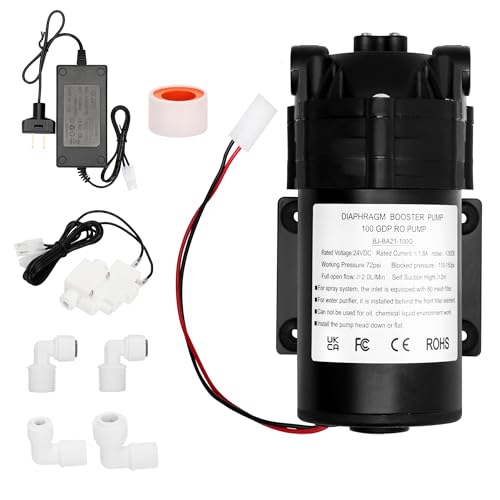
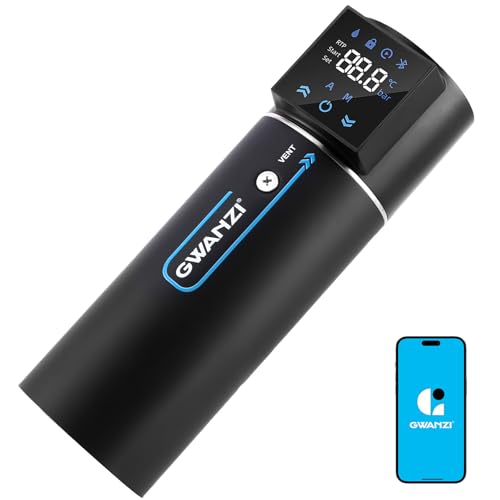
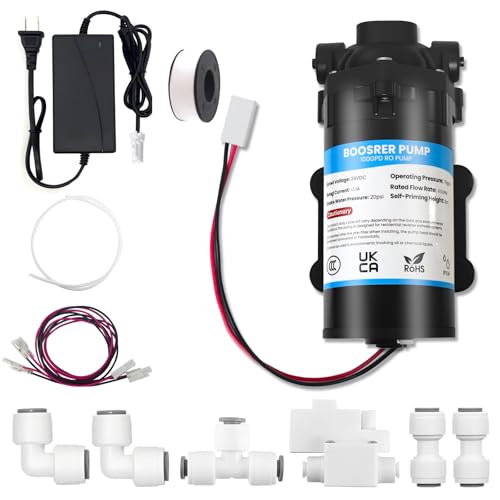
For homes with consistently low pressure (below 30 psi), a booster pump can dramatically increase flow. These are particularly effective for multi-story houses.
$400–$1,200🛠️ Repipe or Descaling
If pipes are clogged with scale or rust, hydro-jetting or repiping may be necessary. This is a more invasive but permanent solution.
$2,500+For homeowners on a well, specific adjustments are required. Check our guide on how to increase water pressure when on a well for targeted advice. If you've tried basic fixes and pressure is still low, you might need a non-pump solution like a pressure tank adjustment. For persistent issues, it's wise to consult a professional plumber to evaluate your system.
Many homeowners also consider whole-home water pressure boosters. Learn more about boosting water pressure in your house with modern pump systems. And if you're planning a bathroom remodel, understanding your water pressure is critical — read our bathroom remodel cost guide to budget for plumbing upgrades.
Should You DIY or Hire a Pro?
DIY: Cleaning aerators, adjusting the PRV, and checking the main valve are safe for most homeowners. If you're comfortable with basic tools, start here.
Hire a Pro: Booster pump installation, repiping, and well system adjustments require licensed plumbers. Improper installation can void warranties and cause damage.
For major renovations, consider working with
remodeling contractors near me with financing
to ensure your plumbing is up to code and your water pressure is optimized.