
How Much Does It Cost to Remodel the Bathroom?
Bathroom remodeling costs vary widely based on size, layout, materials, and labor. This guide breaks down the major cost drivers, compares entry-level, mid-range, and premium approaches, and helps you plan a project that fits your goals and your home.
Key Cost Drivers in a Bathroom Remodel
The total cost of a bathroom remodel is built from several overlapping factors. Understanding each one helps you decide where to invest and where to save. Most remodeling professionals group costs into labor, materials, fixtures, and contingency.
The single largest variable is labor. Skilled trades such as plumbing, electrical, and tile setting account for a substantial portion of any project. Material choice comes next, and within materials the range is enormous: an entry-level ceramic tile and a premium natural stone tile serve the same function but sit in entirely different quality tiers.
Layout is the third major driver. Keeping the toilet, sink, and shower in their current positions avoids the cost of moving supply lines and drain pipes. Relocating fixtures can mean opening walls, rerouting plumbing, and adding electrical work, all of which compound quickly. If your project includes reconfiguring the space, our guide on remodeling a full bathroom explores how scope affects overall planning.
Finally, consider the condition of the existing space. Older homes may have hidden issues such as water damage, outdated wiring, or undersized ventilation. A contingency reserve of roughly ten to twenty percent of the project total is a common recommendation to absorb surprises.
Remodel Tiers at a Glance
Rather than focusing on exact figures that vary by region and change over time, it helps to think in terms of quality tiers. The table below summarizes what each tier generally includes so you can match your expectations to a realistic scope.
Cosmetic Refresh
Repaint walls, replace the vanity top, swap faucets and showerheads, update lighting and hardware. Existing tile and layout are retained. Best for buyers preparing a home for sale or homeowners who want a quick visual upgrade.
Full Functional Update
New tile flooring and shower surround, a mid-priced vanity, updated fixtures, improved ventilation, and fresh paint. Layout mostly unchanged. This tier delivers the strongest balance of visual impact and long-term durability.
High-End Remodel
Custom cabinetry, natural stone or large-format porcelain tile, frameless glass shower enclosure, premium fixtures, heated flooring, and upgraded lighting design. Often includes modest layout improvements.
Spa-Inspired Build
Expanded footprint, wet-room or curbless shower, freestanding tub, integrated smart fixtures, designer tile patterns, and custom millwork. Structural and plumbing changes are common at this level.
These tiers are relative, not absolute. Regional labor markets, material availability, and the condition of your home will shift where a given project lands. Use the tiers as a planning framework rather than a fixed checklist.
Line-Item Cost Breakdown
The table below outlines the major components of a bathroom remodel and how their relative weight changes across tiers. Percentages are approximate and describe the share of a typical project total, not absolute amounts.
| Component | Entry-Level | Mid-Range | Premium / Luxury | Notes |
|---|---|---|---|---|
| Labor & Installation | Moderate | High | Highest | Largest single cost; rises sharply with layout changes and custom work. |
| Tile & Flooring | Low | Moderate | High | Natural stone and large-format tile cost more in material and installation. |
| Vanity & Cabinetry | Stock | Semi-custom | Custom | Custom millwork adds lead time and installation complexity. |
| Fixtures (Faucet, Shower, Toilet) | Builder-grade | Mid-tier | Designer / smart | Finish quality and brand reputation drive the range. |
| Plumbing & Electrical | Minimal | Moderate | Extensive | Relocating fixtures or adding circuits significantly increases cost. |
| Lighting & Ventilation | Basic swap | Upgraded fan & vanity light | Layered lighting design | Proper ventilation protects against moisture damage long-term. |
| Permits & Inspection | Often not required | Usually required | Required | Structural, plumbing, or electrical changes almost always need permits. |
| Contingency Reserve | Small | Moderate | Larger | Hidden damage and scope creep are common in older homes. |
For a deeper dive into how scope affects planning, see our guide on remodeling a bathroom and the companion piece on master bathroom remodels, which typically involve larger footprints and higher-end finishes.
How Bathroom Size Affects Cost
Square footage matters, but not in a strictly linear way. A larger bathroom uses more tile and may require more fixtures, yet many fixed costs such as permits, design, and project management remain roughly constant. Smaller bathrooms, meanwhile, can be more labor-intensive per square foot because of tight working conditions.
A common reference point is the standard full bathroom, often around ten by ten feet. Our detailed breakdown of remodeling a 10x10 bathroom shows how tile quantities, fixture counts, and labor hours scale in a typical full bath. If your project is smaller, the guide on remodeling a small bathroom covers the trade-offs of compact spaces.
Half baths and powder rooms follow a different cost curve because they lack a shower or tub. A powder room remodel focuses on the vanity, toilet, flooring, and lighting, which keeps both material and labor costs lower. See our article on remodeling a half bathroom for a scope-by-scope overview.
Layout Changes and Plumbing Work
Moving a toilet, sink, or shower is one of the most expensive decisions in a bathroom remodel. Each relocation touches supply lines, drain pipes, venting, and often the subfloor and framing. The cost compounds when multiple fixtures move at once or when the new layout requires a different drain slope.
If your goal is a more open or functional layout, consider whether the improvement justifies the added cost. Sometimes a smaller change, such as swapping a tub for a walk-in shower in the same location, delivers most of the benefit at a fraction of the expense. Our guide on installing a walk-in shower explains how shower conversions are typically scoped.
Shower-focused projects deserve their own planning. Whether you are replacing a tub with a shower or upgrading an existing stall, the article on remodeling a bathroom shower covers waterproofing, tile, glass, and fixture choices that influence both cost and durability.
For projects where the shower footprint is changing, see the guides on installing shower tile and remodeling a shower stall. These pieces break down the trade-offs between prefabricated surrounds and fully tiled installations.
Ways to Control the Budget
Budget control in a bathroom remodel is less about cutting corners and more about sequencing decisions. The most effective strategies focus on preserving what already works while investing in the elements you see and touch every day.
- Keep the layout. Retaining fixture positions avoids plumbing and electrical reroutes, which are among the highest-cost line items.
- Prioritize the shower and vanity. These are the most visible and heavily used elements. A mid-range vanity and well-executed tile work deliver more perceived value than premium fixtures elsewhere.
- Choose a consistent material tier. Mixing an entry-level floor with luxury wall tile can look disjointed. A unified mid-range palette often reads better than a patchwork of extremes.
- Refinish instead of replace. In some cases, a tub or tile surround can be refinished rather than removed. Our article on refinishing a bathroom explains when this approach makes sense.
- Plan ventilation early. A properly sized exhaust fan protects your investment. The guide on installing a bathroom covers ventilation as part of the broader scope.
- Hold a contingency reserve. Even well-planned projects uncover surprises. A reserve of ten to twenty percent keeps the project moving without last-minute compromises.
If your project is part of a larger renovation, the article on renovating a bathroom discusses how bathroom work fits into whole-home planning and where shared costs can be absorbed.
DIY vs. Hiring a Professional
Some bathroom tasks are well suited to confident DIYers, while others carry real risk. Painting, swapping a vanity top, replacing a faucet, and installing a new showerhead are common DIY projects that can be completed with basic tools and careful preparation.
Tile work sits in the middle. A simple floor or a straight-set wall can be a satisfying DIY project, but waterproofing errors in a shower are expensive to correct. If your project involves a tiled shower, weigh the cost of professional installation against the risk of moisture damage down the line.
Plumbing and electrical work should generally be handled by licensed professionals, especially when relocating lines or adding circuits. Permits and inspections exist for good reason, and unpermitted work can complicate a future home sale. For a broader comparison of when to hire out, see our guide on having a bathroom remodel done by a professional team.
If you are remodeling a bathroom as part of a larger project, the overview on getting a bathroom redone covers how contractors typically structure a combined scope.
Recommended Bathroom Remodeling Tools & Fixtures
⚠️ AFFILIATE DISCLOSURE: This website contains affiliate links. As an Amazon Associate, we earn from qualifying purchases. If you make a purchase through these links, we may receive a small commission at no additional cost to you. Read our full affiliate policy.

The Stress-Free Bathroom Remodel: An Insider's Guide to Planning the Perfect Bathroom
Check price on Amazon
How to Bathroom Remodel: A DIY Step-by-Step Homeowner’s Guide to Transform Your Bathroom (DIY Construction How To Guides)
Check price on Amazon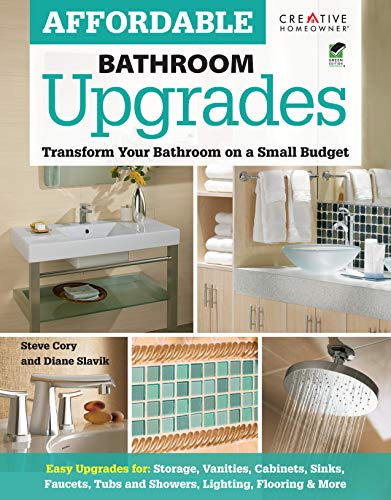
Affordable Bathroom Upgrades (Creative Homeowner) Home Improvement Ideas for Any Budget
Check price on Amazon
Your Bathroom Remodel, Done Right: How to Hire the Right People, Check Every Stage, and Avoid Costly Redos
Check price on Amazon
Bathroom Remodeling: Revised and Expanded (For Pros by Pros)
Check price on Amazon
DIY BATHROOM REMODEL: Step-by-Step Guide to Plan, Domo, and Build Without Costly Mistakes (DIY Projects Book Series)
Check price on Amazon
How to Design & Remodel Bathrooms
Check price on Amazon
Bathroom Remodel Planner & Organizer: Complete Project Workbook - Budget Tracker, Contractor Log, Materials & Daily Progress Journal
Check price on AmazonFrequently Asked Questions
What is the biggest expense in a bathroom remodel?
Labor typically represents the largest share of a bathroom remodel, followed by fixtures, tile, and cabinetry. Layout changes that relocate plumbing or electrical lines add significant labor and material costs on top of the base project.
Can I remodel a bathroom without moving the plumbing?
Yes. Keeping the toilet, sink, and shower in their existing locations is one of the most effective ways to control cost. Cosmetic upgrades such as new tile, paint, fixtures, and lighting can dramatically change the look of a bathroom without the expense of relocating supply and drain lines.
How long does a bathroom remodel usually take?
A cosmetic refresh may take one to two weeks, while a full gut remodel with layout changes commonly takes four to eight weeks or longer. Timeline depends on permit approvals, material lead times, and the scope of plumbing and electrical work.
Is it cheaper to remodel a small bathroom?
Generally yes. A smaller footprint uses less tile, fewer fixtures, and less labor. However, compact bathrooms can present access challenges and specialized fixtures, so the savings are not always proportional to square footage.
Should I hire a general contractor or manage the project myself?
A general contractor coordinates trades, schedules inspections, and manages material deliveries, which reduces risk on complex projects. Managing the project yourself can reduce overhead, but it requires reliable subcontractors and a realistic time commitment. For structural, electrical, or plumbing changes, licensed professionals are strongly recommended.
Ready to Plan Your Bathroom Remodel?
Use the breakdowns in this guide to define your scope, choose a quality tier, and build a realistic plan. When you are ready to equip your project, explore the tools and fixtures selected for bathroom remodeling.
View Recommended Tools & Fixtures