
How Much Does It Cost to Install a Bathroom?
Everything that shapes the final number — layout, fixtures, labor, permits, and finishes — explained in plain language so you can plan with confidence.
Understanding bathroom installation costs starts with knowing what drives the number. Two bathrooms with identical square footage can land in completely different tiers depending on whether walls move, pipes are rerouted, and which materials you choose. This guide breaks the project into its real cost components so you can decide where to spend, where to save, and when it makes sense to bring in a professional.
Key Factors That Shape Bathroom Installation Cost
The final figure is rarely a single line item. It is the sum of several decisions, and understanding each one helps you anticipate where the project will land. The most influential factors are:
- Project scope: A full installation from bare studs is a different undertaking than replacing a vanity and toilet in an existing bathroom.
- Layout changes: Relocating a toilet, sink, or shower means new supply lines and drain lines, which is labor-intensive and often requires opening walls and floors.
- Size of the room: More square footage means more tile, more drywall, more paint, and more labor hours.
- Material tier: Entry-level fixtures and finishes sit at one end of the spectrum; luxury stone, custom cabinetry, and designer hardware sit at the other.
- Labor market: Skilled trade rates vary by region, and scheduling during peak renovation season can push labor costs upward.
- Permits and inspections: New bathrooms and relocated plumbing typically require permits, and the associated fees and inspection steps add to both cost and timeline.
- Ventilation and moisture control: A properly sized exhaust fan, waterproofing membranes, and mold-resistant materials are non-negotiable in a wet environment.
If you are still deciding between a full rebuild and a lighter refresh, comparing a new bathroom installation against a bathroom redone project is a useful starting point. The scope difference is usually the largest single variable.
Bathroom Installation Tiers: A Relative Comparison
Because exact figures shift with region, season, and material availability, the most durable way to plan is by tier. The table below compares project levels using relative descriptors rather than fixed numbers.
| Project Tier | Typical Scope | Materials & Finishes | Best For |
|---|---|---|---|
| Budget-Friendly | Cosmetic refresh with existing layout and fixtures kept in place | Entry-level tile, stock vanity, standard faucets, builder-grade lighting | Rental turnovers and quick updates before listing |
| Mid-Range | Full replacement of fixtures and finishes, layout unchanged | Mid-tier porcelain tile, semi-custom vanity, brand-name fixtures, upgraded fan | Family bathrooms and long-term primary bathrooms |
| Premium | Full installation with minor layout adjustments | Large-format or natural stone tile, custom vanity, premium fixtures, heated floor | Primary suites and homes with higher resale expectations |
| Luxury | Complete installation with major layout redesign or expansion | Book-matched stone, bespoke cabinetry, designer hardware, smart fixtures | High-end custom homes and full suite renovations |
Component-by-Component Breakdown
A bathroom installation is a sequence of trades and materials. Breaking the project into components makes it easier to see where the money actually goes.
| Component | What It Includes | Relative Weight | Cost-Control Lever |
|---|---|---|---|
| Demolition & disposal | Removing old fixtures, tile, drywall, and hauling debris | Moderate | Reuse salvageable fixtures to cut disposal volume |
| Rough plumbing | Supply lines, drain lines, venting, shut-off valves | High | Keep fixtures in existing positions |
| Rough electrical | GFCI outlets, lighting circuits, exhaust fan wiring | Moderate | Reuse existing circuit locations |
| Waterproofing | Cement board, waterproof membrane, shower pan liner | Moderate | Never cut this — it prevents costly water damage |
| Tile & flooring | Floor tile, wall tile, shower surround, grout and sealant | High | Choose mid-tier porcelain over natural stone |
| Fixtures | Toilet, sink, faucet, showerhead, tub or shower base | High | Mix mid-tier fixtures with one premium focal piece |
| Vanity & cabinetry | Vanity base, countertop, sink basin, hardware | Moderate | Stock or semi-custom vanity instead of bespoke |
| Ventilation & lighting | Exhaust fan, vanity light, recessed lighting | Lower | ENERGY STAR-rated fan with a timer switch |
| Paint & trim | Moisture-resistant paint, baseboards, casing, caulking | Lower | Handle this finish work yourself if comfortable |
When reading this table, notice that rough plumbing and tile work carry the highest relative weight. Those two components alone often determine whether the project feels mid-range or premium. If you are weighing a partial update against a full rebuild, a small bathroom update can sometimes deliver most of the visual benefit at a fraction of the scope.
Why Layout Changes Cost More Than Anything Else
Moving a toilet or shower is not a cosmetic decision. It triggers a chain of work that touches nearly every trade on the job:
- Drain line relocation: Drain pipes rely on gravity, so moving a fixture often means cutting into the floor structure and re-pitching the line.
- Supply line rerouting: Hot and cold lines must be extended, which means opening walls and patching them afterward.
- Vent stack adjustments: Plumbing codes require proper venting, and relocated fixtures may need new vent connections.
- Structural considerations: Removing a tub to install a walk-in shower, for example, can change floor loading and require framing reinforcement.
- Permit and inspection scope: Layout changes almost always expand the permit scope, adding inspection steps and timeline.
This is why a project that keeps the layout can land in the mid-range tier while a similar-sized project with relocated fixtures climbs into premium or luxury territory. If you are specifically planning a shower upgrade, comparing a standing shower installation with a walk-in shower project illustrates how fixture choice interacts with layout decisions.
Fixtures and Finishes: Where Material Choices Show Up
Fixtures and finishes are the most visible part of the budget, and also the easiest to adjust without compromising the build quality. The key is to prioritize the elements you touch and see every day, and economize on the rest.
Toilets
Entry-level models are functional and reliable. Mid-tier models add quieter flushing and better ergonomics. Premium and luxury models add bidet functions, heated seats, and smart controls.
Vanities
Stock vanities keep the project in the budget-friendly range. Semi-custom vanities offer better storage and finish options. Bespoke cabinetry is a premium and luxury choice.
Tile
Porcelain tile performs well across all tiers. Natural stone and large-format slabs move the project into premium and luxury territory, and they require more skilled installation.
Faucets & showerheads
Brand-name mid-tier fixtures balance durability and finish quality. Designer collections and smart fixtures sit at the premium and luxury end of the spectrum.
A practical strategy is to allocate more of the budget to the shower or tub area, since it dominates the visual impression of the room, and choose mid-tier options for secondary elements like the vanity hardware and lighting. If your project involves tile replacement specifically, a small bathroom retile is a useful reference point for how tile scope maps to overall project size.
Labor and Permits: The Invisible Half of the Budget
Homeowners often focus on materials and are surprised by the labor share of the total. In a typical full bathroom installation, labor and trade work represent a substantial portion of the project, and that share rises when the layout changes or the finishes are complex.
- Trade coordination: A full installation involves plumbers, electricians, tile setters, drywall finishers, and painters. Scheduling them efficiently is part of what a general contractor is paid to do.
- Skilled tile work: Large-format tile, mosaics, and natural stone require more experienced setters, which is reflected in the labor rate.
- Permits and inspections: Permit fees vary by jurisdiction. Inspections add scheduling steps, and failed inspections add rework.
- Contingency: Older homes often reveal hidden issues once walls are open — outdated wiring, corroded pipes, or water damage. A contingency reserve of roughly ten to twenty percent of the project total is a standard planning practice.
If you want a closer look at how trade work specifically factors into the total, the breakdown in this guide on bathroom remodel labor cost is a helpful companion read. Comparing that with a full bathroom renovation scope will show you where labor hours concentrate.
Ways to Control the Budget Without Cutting Corners
Controlling cost is about prioritization, not compromise on the elements that protect the home. The following strategies consistently deliver the best return:
- Keep the layout. This is the single highest-impact decision. Retaining fixture positions avoids the most expensive rough-in work.
- Choose mid-tier porcelain tile. It performs well in wet environments and costs noticeably less than natural stone when installed.
- Mix tiers deliberately. Spend on the shower and vanity, economize on lighting and hardware, and upgrade later if desired.
- Reuse what is in good condition. A solid vanity or a quality tub can often be refinished rather than replaced.
- Handle finish work yourself. Painting, caulking, and trim installation are approachable DIY tasks that reduce labor hours without affecting the critical trades.
- Plan the schedule. Booking trades during slower seasons and ordering materials early reduces the risk of premium rush fees and schedule gaps.
If your plans extend beyond the bathroom, it is worth understanding how a single-room project compares to a larger scope, such as a combined kitchen and bathroom renovation. Bundling projects can share some mobilization and permit costs, but it also increases the total commitment.
Ready to Plan Your Bathroom Installation?
Explore recommended tools and fixtures that professionals rely on for durable, code-compliant bathroom work.
View Recommended ToolsFrequently Asked Questions
What is the biggest factor in bathroom installation cost?
Labor and layout changes are the biggest factors. Moving plumbing or electrical lines, changing the room footprint, and adding new ventilation dramatically increase the total. Keeping fixtures in their existing locations usually keeps the project in the mid-range tier.
Can I save money by keeping the existing bathroom layout?
Yes. Keeping the toilet, sink, and shower or tub in their current positions avoids the most expensive part of the job: relocating supply and drain lines. This single decision often moves a project from premium into the mid-range tier.
How long does a bathroom installation take?
A straightforward full bathroom installation typically takes two to four weeks. Projects with layout changes, custom tile work, or permit delays can stretch to six weeks or more. A simple cosmetic refresh may finish in under a week.
Do I need a permit to install a bathroom?
In most jurisdictions, yes. Adding a new bathroom or relocating plumbing and electrical fixtures requires permits and inspections. Permit requirements and fees vary widely by location, so confirm with your local building department before work begins.
Is it cheaper to remodel an existing bathroom or add a new one?
Remodeling an existing bathroom is generally less expensive than adding a new one, because the rough plumbing, electrical, and structural work already exist. Adding a bathroom from scratch involves new drain lines, venting, framing, and finishes.
Recommended Tools & Fixtures for Bathroom Installation
These are the tools and fixtures commonly used by professionals for durable, code-compliant bathroom work. Compare options and check current availability through our trusted partner.
⚠️ AFFILIATE DISCLOSURE: This website contains affiliate links. As an Amazon Associate, we earn from qualifying purchases. If you make a purchase through these links, we may receive a small commission at no additional cost to you. Read our full affiliate policy.

DEWALT 20V MAX Cordless Drill and Impact Driver (DCK240C2) | Power Tool Combo Kit, Includes 2 Batteries, Charger and Bag
Check price on Amazon
Laser Level Line Tool, Multipurpose Laser Level Kit Standard Cross Line Laser leveler Beam Tool with Metric Rulers 8ft/2.5M for Picture Hanging cabinets Tile Walls by AikTryee.
Check price on Amazon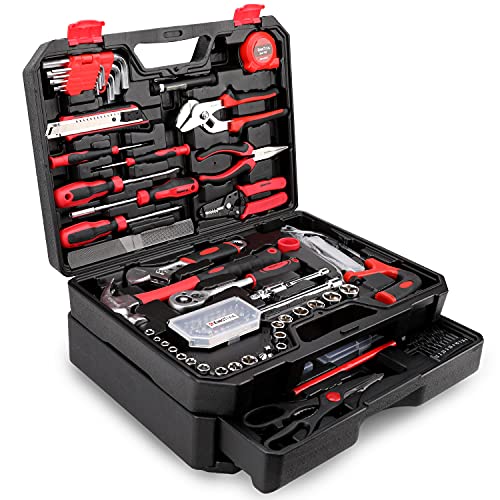
KingTool 325 Piece Home Repair Tool Kit, General Home/Auto Repair Tool Set, Toolbox Storage Case with Drawer, General Household Tool Kit - Perfect for Homeowner, Diyer, Handyman
Check price on Amazon
Fanttik A10 Pro 2-in-1 Digital Laser Tape Measure for Distance/Area/Volume | with HD IPS Color Display, 165Ft Rechargeable Laser Measurement Tool & 9.8Ft Measuring Tape, 6 Units Selectable
Check price on Amazon
PetOde 2Pcs Dryer Vent Cleaner Kit Universal Vacuum Hose Attachment & Brush | Blue Upgraded Flexible Hose for Smooth Airflow Without Whistling Noise, Fits Most Vacuums for Deep Cleaning
Check price on Amazon
YNZDRWA 8 Pack Sanding Sponge, 60/80/120/220 Grit Sanding Blocks Assortment | Washable and Reusable Sandpaper Block for Drywall Wood Metal Furniture
Check price on Amazon
Rerdeim 5Pcs Putty Knife, Set, 1" 2" 3" 4" 5" Scraper, Spackle Knife, Paint Scraper, Scraper Tool, No Rusting, Perfect For Repairing Drywall, Removing Wallpaper, Mud, Plaster Scraping
Check price on Amazon
Goldblatt Trim Puller, 4-Inch Tile Removal Tool Baseboard Removal Tool | Trim Removal Tool for Commercial Work & Home Improvement, Baseboard, Molding, Siding and Floor Removal, Remodeling
Check price on AmazonFinal Thoughts on Planning Your Bathroom Installation
The cost to install a bathroom is best understood as the sum of a handful of decisions rather than a single figure. Keeping the layout intact, choosing mid-tier materials where they perform well, and reserving contingency for hidden issues will keep the project predictable. Spend where it matters — waterproofing, ventilation, and the fixtures you use daily — and economize on elements that are easy to upgrade later. With a clear scope and realistic tier expectations, you can move from research to planning with confidence.
If you are comparing this project to a larger bathroom renovation, the deeper scope breakdown in a full bathroom renovation guide will help you see where installation ends and remodeling begins. And if the project grows into a whole-home update, understanding a whole-house renovation scope is a useful next step.