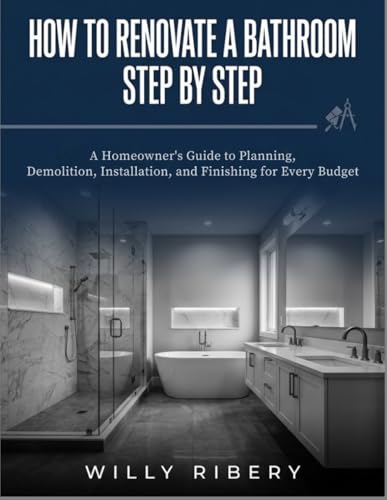
How Much Does It Cost to Renovate Your House?
A complete guide to understanding renovation costs, budget tiers, and the factors that shape your investment. Plan your home renovation with confidence.
Renovating your house is one of the most significant investments a homeowner can make. Whether you're updating a dated kitchen, adding a new bathroom, or gut-renovating an entire property, understanding the financial landscape is essential before you begin. The total cost to renovate your house depends on a wide range of variables — from the scope of work and quality of materials to your geographic location and whether you hire professionals or tackle parts of the project yourself.
In this guide, we break down the key cost drivers, provide universal quality tier descriptors to help you benchmark your expectations, and offer practical planning advice. Keep in mind that renovation costs vary dramatically by region and market conditions, so the tiers below serve as relative benchmarks rather than fixed figures. For a deeper look at whole-house renovation scenarios, you can explore our detailed guide on gut renovating a house.
What Drives the Cost of a House Renovation?
Several interconnected factors determine the final investment. Understanding these will help you allocate your budget wisely and avoid surprises.
1. Scope of Work
The scale of your project is the single biggest cost driver. A cosmetic refresh — paint, flooring, and fixtures — sits at the lower end of the spectrum, while a full gut renovation that involves structural changes, new electrical, plumbing, and HVAC systems represents the most substantial investment. Partial renovations, such as updating a single room, fall somewhere in between. If you're considering a partial basement finish, our guide on partially finishing a basement offers useful context on scope-related costs.
2. Materials and Finishes
The quality tier of your materials has a profound impact. Entry-level materials — laminate countertops, vinyl flooring, and standard builder-grade fixtures — keep costs manageable. Mid-range options like quartz countertops, engineered hardwood, and semi-custom cabinetry sit in the middle. Premium and luxury tiers, featuring natural stone, custom millwork, and high-end appliances, command a significantly larger share of the budget. For kitchen-specific cost breakdowns, see our article on renovating your kitchen.
3. Labor and Location
Labor typically accounts for a large portion of any renovation budget. Rates vary by region, with urban and high-cost-of-living areas commanding higher wages. Specialized trades — electricians, plumbers, and structural engineers — add to the total. If your project involves a bathroom, our guide on bathroom remodel labor costs explains how labor is typically structured.
4. Structural Changes
Moving or removing walls, adding new windows or doors, or altering the roofline introduces engineering and permitting costs. These changes often require architectural drawings and structural inspections, which add to both the timeline and the budget. Major structural work is a hallmark of high-end renovations and should be planned with professional guidance.
5. Permits and Inspections
Most municipalities require permits for electrical, plumbing, structural, and major mechanical work. Permit fees vary, and inspections add administrative overhead. Skipping permits can lead to costly fines and complications when selling your home. Always factor permit costs into your planning.
Renovation Budget Tiers: A Universal Framework
To help you set expectations without relying on volatile price figures, we use universal quality descriptors. These tiers reflect the relative positioning of a renovation project in the market and remain stable over time.
Entry-Level / Budget-Friendly
This tier focuses on essential updates using standard materials and straightforward designs. Expect to use stock cabinetry, laminate or vinyl flooring, basic fixtures, and minimal structural changes. Projects in this tier prioritize function over luxury and often involve cosmetic refreshes rather than full system replacements.
Mid-Range / Mid-Tier
The mid-range tier balances quality and value. You'll find semi-custom cabinetry, quartz or solid-surface countertops, engineered hardwood or high-quality tile, and upgraded fixtures. This tier may include modest layout changes and energy-efficient upgrades. It's the most common tier for homeowners seeking a noticeable transformation without venturing into luxury territory.
Premium / High-End
Premium renovations feature custom cabinetry, natural stone surfaces, wide-plank hardwood, designer fixtures, and high-performance appliances. Structural alterations and integrated smart-home systems are common. This tier often involves working with an architect or interior designer and includes bespoke elements tailored to the homeowner's taste.
Luxury / Top-Tier
Luxury renovations push into bespoke craftsmanship, rare materials, and advanced technology. Expect custom millwork, imported stone, professional-grade appliances, and sophisticated lighting and automation systems. Projects in this tier may include significant square footage additions or complete reconfigurations of the home's layout.
These tiers are relative and should be interpreted in the context of your local market. A mid-range renovation in one region may align with a premium tier in another due to labor and material availability differences.
Room-by-Room Cost Considerations
Different areas of the home carry different cost profiles. Below is a high-level overview of what typically influences the investment in each major space.
| Area | Key Cost Drivers | Typical Tier Range |
|---|---|---|
| Kitchen | Cabinetry, countertops, appliances, plumbing and electrical updates | Mid-tier to premium |
| Bathroom | Tile, fixtures, waterproofing, ventilation, plumbing relocations | Entry-level to premium |
| Basement | Moisture control, framing, insulation, flooring, egress | Entry-level to mid-tier |
| Whole House | Structural changes, systems replacement, finish consistency | Mid-tier to luxury |
| Addition | Foundation, framing, roofing, exterior finishing, integration | Premium to luxury |
For a comprehensive look at whole-house renovations, our guide on the average home renovation cost provides additional context on how these room-level investments aggregate. If you're planning to add a new bathroom, see our detailed resource on putting a bathroom in.
Smart Planning Tips to Control Renovation Costs
Renovation projects have a tendency to expand in scope. Here are proven strategies to keep your investment aligned with your goals.
Prioritize Must-Haves vs. Nice-to-Haves
Create a clear list of functional necessities and separate them from aesthetic preferences. This helps you make trade-offs when the budget tightens. For example, investing in quality plumbing and electrical systems should take precedence over designer light fixtures.
Get Multiple Quotes
Obtain at least three detailed quotes from licensed contractors. Compare line items, not just totals, to identify discrepancies and negotiate effectively. Be wary of unusually low bids — they often signal omitted work or inferior materials.
Consider Phased Renovation
Spreading the project over several phases can ease financial pressure and allow you to live in the home during the work. However, phased projects may incur additional mobilization costs. A phased approach works well for whole-house renovations, as discussed in our article on totally renovating a house.
Keep Plumbing and Electrical Layouts
Relocating plumbing fixtures and electrical outlets significantly increases labor and material costs. Designing your renovation around existing layouts can yield substantial savings without sacrificing functionality.
Plan for Contingency
Set aside a contingency fund of 10–20% of your total budget. Unexpected issues — hidden water damage, outdated wiring, or structural problems — are common in renovations and can derail a tight budget.
Frequently Asked Questions
How long does a typical house renovation take?
The timeline depends on scope. A cosmetic refresh may take a few weeks, while a full gut renovation can span several months. Structural changes, permit approvals, and material lead times are common sources of delays. A detailed schedule from your contractor helps set expectations.
Is it cheaper to renovate or build new?
In most cases, renovating an existing home is less expensive than building new, especially if the foundation and structure are sound. However, extensive renovations that require significant structural and systems upgrades can approach new-build costs. The decision depends on the condition of the existing property and your long-term goals.
How can I finance a house renovation?
Common options include home equity loans, home equity lines of credit (HELOCs), cash-out refinancing, and personal loans. Government-backed renovation loans may also be available. Consult a financial advisor to determine the best fit for your situation.
Do I need permits for my renovation?
Permits are typically required for structural changes, electrical work, plumbing modifications, and mechanical installations. Cosmetic updates like painting and flooring usually don't require permits. Always check with your local building department before starting work.
How do I choose a reliable contractor?
Look for licensed, insured contractors with a solid track record. Request references, review portfolios, and check online reviews. A detailed written contract that outlines scope, timeline, payment schedule, and warranty terms is essential. Avoid contractors who demand large upfront payments or pressure you to sign quickly.
Final Thoughts
Renovating your house is a complex undertaking, but with careful planning and realistic expectations, you can create a home that reflects your needs and style. Use the tier framework in this guide to benchmark your project, gather multiple quotes, and maintain a healthy contingency. Whether you're updating a single room or transforming the entire property, informed decisions lead to better outcomes.
For more specific cost guidance, explore our related articles on bathroom renovation costs and adding an addition to your house.
Ready to start planning your renovation? Explore our curated selection of home improvement tools below to equip yourself for the journey ahead.
View Recommended Tools