How Much Does It Cost to Put a Bathroom In? A Complete Guide
Adding a bathroom to your home is one of the most impactful improvements you can make. It increases daily convenience, adds long-term value to your property, and can transform an unused corner, basement, or spare room into a genuinely functional space. But before you commit, the most common question homeowners ask is simple: how much does it cost to put a bathroom in?
The honest answer is that the investment depends on several moving parts — where the bathroom goes, how much plumbing work is required, and the quality tier of the fixtures and finishes you choose. This guide breaks down every component so you can plan with confidence and understand exactly where your money goes.
Quick Summary: Putting a bathroom in ranges from a budget-friendly project for a simple installation in an existing footprint to a high-end investment for a fully custom space with premium finishes. The three biggest cost drivers are plumbing access, bathroom size, and the tier of fixtures you select.
Understanding the Main Cost Drivers
Before diving into specific components, it helps to understand the four factors that shape the overall investment more than anything else. Getting clarity on these early will help you set realistic expectations and avoid surprises mid-project.
1. Location Relative to Existing Plumbing
This is the single most influential factor. If you are placing a new bathroom directly above, below, or adjacent to existing plumbing lines, the project stays in a lower tier because drain and supply lines can be tapped relatively easily. If the bathroom is on the opposite side of the house from the main stack, you may need to run new drain lines through walls and floors — which pushes the project toward the mid-range or high-end tier depending on the complexity of the run.
If you are working with an existing space and want to understand how a remodel compares, our guide on how much it costs to renovate the bathroom breaks down the differences between renovation and new installation.
2. Bathroom Size and Layout
A compact half-bath requires far fewer materials and labor hours than a full bathroom with a tub, separate shower, and double vanity. Layout also matters: a simple rectangular layout with fixtures arranged along one wall is more economical than a complex layout that requires moving walls or rerouting plumbing around obstacles.
3. Tier of Fixtures and Finishes
You can build a fully functional bathroom with entry-level fixtures that perform well for years, or you can specify premium brands, custom tile work, and designer hardware. The difference between tiers is significant, and it is the area where you have the most control over the final investment. We will explore this in detail in the section below.
4. Labor Rates and Permits
Labor is typically the largest single line item. Rates vary by region, and projects that require multiple trades — plumbing, electrical, tile, carpentry, and painting — accumulate labor hours quickly. Permits are also required for plumbing and electrical changes in most jurisdictions, and the associated inspection fees add to the total. Skipping permits is never advisable; it can create problems when you sell the home and may invalidate insurance coverage.
Quality Tiers: What Your Investment Buys
To give you a clear framework without anchoring to specific numbers that go stale, here is how the three quality tiers compare across the main bathroom components. Use this as a decision-making tool to align your choices with your goals.
| Component | Budget-Friendly Tier | Mid-Range Tier | High-End Tier |
|---|---|---|---|
| Flooring | Sheet vinyl or basic ceramic tile | Porcelain tile or luxury vinyl plank | Natural stone, large-format tile, or heated floors |
| Vanity & Sink | Stock cabinet with integrated sink | Semi-custom vanity with undermount sink | Custom cabinetry with stone countertop and designer sink |
| Shower & Tub | Prefabricated acrylic surround and tub | Tiled shower with quality fixtures | Frameless glass, custom tile, rain shower, freestanding tub |
| Toilet | Standard two-piece model | Comfort-height one-piece model | Smart toilet or designer brand |
| Lighting & Ventilation | Basic vanity light and standard fan | Layered lighting with quiet ventilation fan | Designer fixtures, heated towel bar, humidity-sensing fan |
| Hardware & Accessories | Builder-grade chrome or brushed nickel | Quality brand-name finishes | Designer collections and custom glass |
Choosing consistently from one tier keeps your project coherent and makes planning easier. Mixing tiers is fine — many homeowners spend more on the shower and vanity while saving on flooring — but be intentional about where you upgrade. If you are comparing this project against a larger remodel, our breakdown of bathroom renovation costs offers useful context.
Breaking Down the Cost Components
Understanding each component helps you see where your investment is concentrated and where you have room to adjust. Here is how the typical project divides.
Plumbing Rough-In
This covers running new supply lines, drain lines, and venting, plus connecting to the main stack. In a straightforward location near existing plumbing, the plumbing rough-in sits at the lower end of the range. In a location that requires trenching through a concrete slab or running lines across the home, this component can grow significantly. This is the area where trying to save money by cutting corners creates the most risk — plumbing failures are expensive to fix after finishes are installed.
Electrical Work
A bathroom requires dedicated circuits for outlets, lighting, and the ventilation fan, plus GFCI protection for all outlets. If your panel has available capacity and the bathroom is close to the panel, this is a modest line item. If a subpanel upgrade or long wire runs are needed, the investment grows. Licensed electricians should handle all of this work.
Framing and Drywall
If you are converting a closet, basement corner, or spare room into a bathroom, framing new walls and installing moisture-resistant drywall is part of the project. In a space that already has finished walls, this component shrinks. Consider whether soundproofing between the bathroom and adjacent rooms is worth adding while walls are open — it is far easier now than later.
Tile and Waterproofing
Proper waterproofing behind shower and tub surrounds is non-negotiable. A cement backer board or a modern waterproof membrane system plus tile installation is a meaningful line item in the mid-range and high-end tiers. If you are weighing whether to tile the shower yourself, our guide on shower tile installation costs explains what professional installation involves.
Fixtures and Finishes
This category includes the toilet, vanity, sink, faucet, shower valve, tub or shower pan, mirror, lighting, and hardware. It is the most flexible line item because you control the tier. Choosing mid-range fixtures from reputable brands is the sweet spot for most homeowners — you get reliable performance without paying for designer exclusivity.
Ventilation
A properly sized exhaust fan ducted to the exterior is essential for moisture control. This is a modest line item but an important one. Do not vent into the attic — the warm, moist air will condense and cause problems over time. If you are already planning a larger project, our overview of bathroom remodeling costs touches on ventilation in more depth.
Labor and Permits
Labor is typically the largest share of the total. Multiple trades are involved: plumbers, electricians, tile setters, carpenters, and painters. Each trade contributes hours that accumulate across the project. Permit fees and inspection costs are smaller but real, and they are not optional if you want the work to be compliant and insurable.
Factors That Can Push Your Investment Higher
- Distance from the main plumbing stack. Long drain runs require larger pipes, proper slope, and sometimes a new vent stack — all of which add cost.
- Concrete slab work. If the bathroom is going into a basement with a concrete floor, trenching for drains adds significant labor and disposal costs.
- Structural changes. Moving a load-bearing wall or adding a window requires engineering and additional labor.
- Upgrading the electrical panel. Older homes may not have capacity for the new circuits, requiring a panel upgrade.
- Asbestos or lead abatement. Homes built before the 1980s may contain hazardous materials that need professional remediation before work begins.
- Custom tile work. Intricate patterns, niches, and borders add hours of skilled labor.
If your project is part of a broader renovation, our guide on renovating a kitchen and bathroom together explains how combining projects can sometimes reduce overall labor costs.
How to Plan Your Bathroom Installation Budget
Planning is where you save the most money and avoid the most stress. Here is a practical sequence that experienced homeowners follow.
- Define the goal. Is this a guest half-bath, a family bathroom, or a master suite? The purpose determines the size and tier.
- Identify the location. Proximity to existing plumbing is the biggest lever. A location close to the main stack can save a significant portion of the plumbing rough-in.
- Set your tier. Decide whether you are going budget-friendly, mid-range, or high-end. Commit to it consistently so your finish selections feel cohesive.
- Get three quotes. Obtain detailed written estimates from licensed contractors. Compare line items, not just totals, so you understand what each includes.
- Budget a contingency. Older homes almost always reveal surprises once walls are open. A contingency of 15–20 percent of the project total is standard practice. Note: the contingency is a planning buffer expressed as a percentage, not a price quote for any specific item.
- Sequence the trades. Plumbing and electrical rough-in happen before drywall and tile. Finishes come last. A good general contractor manages this sequence so trades do not hold each other up.
If you are still deciding whether to add a bathroom or remodel an existing one, our comparison of the cost to put a bathroom in and the cost to redo one can help you weigh the tradeoffs.
Ready to Find the Right Fixtures for Your New Bathroom?
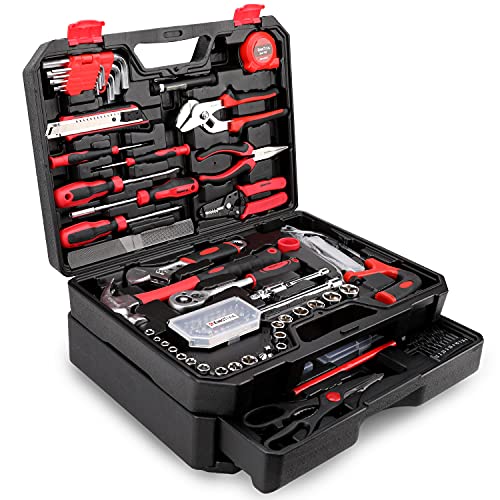
Browse our curated selection of bathroom fixtures, vanities, and installation tools to find the right tier for your project.
View Recommended ProductsComparing Installation to Renovation
Homeowners often ask whether it is more economical to put a new bathroom in an unused space or to renovate an existing one. The answer depends on what you already have. A renovation reuses existing plumbing, electrical, and walls, which keeps the project in a lower tier. A new installation in a space that was never a bathroom requires new infrastructure — plumbing, electrical, ventilation, and often framing — which pushes the project toward the mid-range or high-end tier.
However, a new installation can be more cost-effective than a full gut renovation of an existing bathroom if the existing space has extensive hidden damage. If you are weighing a small renovation instead, our guide on updating a small bathroom covers the most economical path for tight spaces.
For homes where a bathroom addition is part of a larger renovation, our overview of whole-house renovation costs provides a helpful framework for sequencing projects and allocating budget across multiple rooms.
Frequently Asked Questions
How much does it cost to put a bathroom in?
The investment ranges from budget-friendly for a simple installation in an existing footprint to high-end for a fully custom space with premium finishes. The three biggest drivers are plumbing access, bathroom size, and the tier of fixtures you select. Get written quotes from licensed contractors in your area for accurate local figures.
Is it cheaper to add a bathroom or remodel an existing one?
Adding a new bathroom generally requires more investment than remodeling an existing one because it involves running new plumbing lines, adding electrical circuits, and often building new walls. A remodel reuses existing infrastructure, which keeps the project in a lower tier. However, if the existing bathroom has extensive hidden damage, a new installation can sometimes be the more rational choice.
What factors affect the cost of putting a bathroom in?
The biggest factors are location relative to existing plumbing, the size of the bathroom, the quality tier of fixtures and finishes, whether walls need to be moved or built, ventilation and electrical requirements, and local labor rates. Permits and inspection fees also contribute.
How long does it take to put a bathroom in?
A straightforward installation in an existing footprint typically takes two to four weeks, while a project that requires new plumbing lines, framing, and custom tile work can run six to ten weeks or more depending on permit timelines and material availability.
Can I save money by doing part of the work myself?
Yes, homeowners can reduce their investment by handling demolition, painting, and finish carpentry themselves. However, plumbing and electrical work should always be handled by licensed professionals to ensure safety and code compliance. Attempting complex plumbing or electrical work yourself can create costly problems that far outweigh the savings.
Final Thoughts
Putting a bathroom in is a significant project, but it is one of the most rewarding improvements you can make to your home. The key to a successful project is understanding where your investment is concentrated and making intentional choices about tier and location. Focus your spending on the elements you use every day — a quality shower, a reliable toilet, and good ventilation — and save on elements that are less visible.
If you are still exploring options, our related guides on renovating a master bathroom and redoing a half bathroom provide additional context for specific project types. Whichever path you choose, plan carefully, get multiple quotes, and build in a contingency — your future self will thank you.